
- understanding-the-rv-propane-system
- why-regular-safety-checks-are-non-negotiable
- step-by-step-maintenance-guide-for-your-rv-propane-system
- real-life-scenario-the-cost-of-neglecting-maintenance
- products-and-tools-worth-investing-in
- camping-rural-your-trusted-rv-companion
1. Understanding the RV Propane System
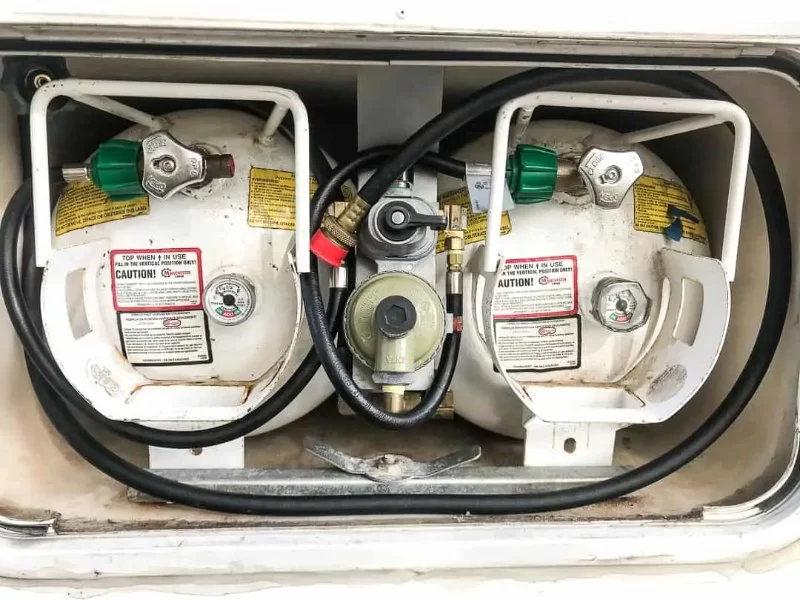
Before diving into safety checks and maintenance, it's essential to understand how an RV propane system works. Propane powers many critical functions in an RV—from heating and cooking to refrigeration. The system includes a propane tank (or cylinders), regulators, lines, valves, and appliances. Each part must be kept in optimal condition to ensure not just efficiency, but safety as well.
New RV owners often underestimate how delicate these systems are. Unlike household gas systems, RV propane setups are mobile, subjected to vibration, temperature changes, and outdoor exposure—making regular checks all the more important.
2. Why Regular Safety Checks Are Non-Negotiable
2.1 Gas Leaks: Invisible But Dangerous
The biggest risk in any RV propane system is a gas leak. Propane is heavier than air, so it sinks and accumulates, increasing the risk of fire or explosion. Every few months—or after any long trip—use a leak detector solution or a propane gas sniffer to check all connections.
2.2 Ventilation Matters
Many RV accidents linked to propane aren't from leaks, but from poor ventilation. Ensure all appliance vents are unobstructed. Blocked vents can lead to carbon monoxide buildup, which is odorless and deadly.
2.3 Inspection Tip from a Pro
Steve, a certified RV technician from Arizona, recalls a case where a minor kink in a rubber hose nearly caused a major fire. “It wasn’t obvious until we used a gas sniffer. That’s why relying only on smell or visual checks isn't enough,” he warns.
3. Step-by-Step Maintenance Guide for Your RV Propane System
3.1 Check and Refill Tanks
Always monitor propane levels and refill before they’re completely empty to avoid air pockets in the system. Use a scale or onboard monitor to get accurate readings.
3.2 Inspect Regulators and Lines
Inspect the regulator annually. Look for cracks, rust, or moisture intrusion. Replace it every 10 years, or sooner if recommended by the manufacturer. Flexible rubber lines should be inspected for soft spots or discoloration.
3.3 Clean Burners and Pilot Lights
Dust and insects can clog burners or pilot lights, affecting performance and safety. Remove grates and clean components using compressed air or a soft brush.
3.4 Test Appliances
Run all propane-fueled appliances monthly—even during the off-season. This prevents seals from drying out and ensures that any issues are discovered before you're on the road.
4. Real-Life Scenario: The Cost of Neglecting Maintenance
In 2022, a couple traveling through Montana experienced a devastating RV fire due to a propane leak from a corroded regulator. Luckily, no one was hurt, but the RV was totaled. The investigation revealed that the regulator hadn't been inspected in over six years.
Stories like these serve as stark reminders of why you can’t ignore regular RV propane system maintenance. A five-minute inspection can literally save lives.
5. Products and Tools Worth Investing In
5.1 Leak Detection Solutions
Always carry a spray bottle of soapy water or a commercial leak detector to test your propane connections. These low-cost tools can alert you to bubbling caused by leaks.
5.2 Propane Gas Alarms
Install both propane and carbon monoxide alarms inside your RV. Choose models that plug into your 12V system and regularly test them for battery and sound.
5.3 Portable Regulators and Wrenches
A high-quality, adjustable wrench and spare regulator can be a trip-saver if you're off the grid and something fails. Having the right tools on hand gives you peace of mind.
6. Camping Rural: Your Trusted RV Companion
6.1 Where Safety Meets Convenience
When you're outfitting your RV or preparing for a trip, Camping Rural offers a handpicked selection of gear—from regulators to alarms and complete maintenance kits. Our curated tools are chosen with traveler safety in mind.
6.2 Not Just Products—Education
We don’t just sell equipment—we empower RVers with knowledge. Each product comes with safety instructions, and our online library includes tutorials and checklists for RV propane system maintenance.
6.3 Safe Adventures Start Here
Don’t let a preventable issue ruin your journey. With Camping Rural, you’re not just getting products—you’re gaining a reliable co-pilot for every propane-powered mile.





 La Pacifica RV Park4.0 (165 reviews)
 The Resort RV Park4.0 (254 reviews)
 Choestoe Valley RV Park4.0 (31 reviews)
 Chimney Creek Campground4.0 (13 reviews)
 Apollo MHC3.0 (67 reviews)
 Fair Harbor RV Park & Campground4.0 (849 reviews)
 10 Must-Visit Campgrounds in the Midwest for Your Next Outdoor Adventure
 Romantic Camping Spots for Couples: Perfect Getaways in Nature
 Ultimate Guide to Off the Grid Camping in Remote Locations
 How to Cook Over a Campfire Safely for an Enjoyable Outdoor Experience
 Vanlife in Winter: My Personal Experience Living on the Road
 From City to Camp: My Journey to Nature and What I Learned