
- 1-pre-trip-planning
- 2-navigation-and-communication
- 3-gear-and-equipment
- 4-food-and-water-safety
- 5-wildlife-and-environmental-hazards
- 6-fire-and-camp-setup-safety
- 7-health-and-first-aid
- 8-real-life-case-studies
- 9-why-choose-camping-rural
1. Pre-Trip Planning
Thorough preparation lays the foundation for a safe and enjoyable outdoor adventure. Before you lace up your boots or pitch your tent, research the trail and campsite conditions. Consult official park websites for trail closures, weather forecasts, and permit requirements. Create a detailed itinerary including start and end points, estimated hiking times, rest stops, and emergency exit routes. Share this plan with a trusted friend or family member so someone knows your hiking and camping safety tips before you head into the wilderness.
1.1 Permits and Regulations
Many national parks and wilderness areas require backcountry permits or camping reservations. Acquiring these not only secures your spot but also provides you with vital safety briefings and area-specific guidelines on bear canister use or fire restrictions.
1.2 Weather Awareness
Mountain weather can change rapidly. Check the 7-day forecast and track real-time updates via reputable apps. Identify potential hazards like afternoon thunderstorms or extreme heat, and plan your itinerary—such as scheduling summit attempts early in the morning when conditions tend to be milder.
2. Navigation and Communication
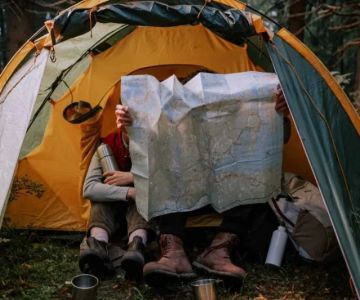
Getting lost ranks among the riskiest scenarios on the trail. Familiarize yourself with map and compass skills; don’t rely solely on GPS devices, as batteries can die and satellite signals may fail in dense forests or canyons. Carry a topographic map and practice orienting it with a compass before your trip.
2.1 Redundancy in Tools
Pack at least two navigation aids: a paper map and compass, plus a fully charged GPS or smartphone with offline maps downloaded. Bring extra batteries or a solar charger to keep electronic devices powered.
2.2 Emergency Communication Devices
Cell service is often nonexistent in remote areas. Consider renting or purchasing a satellite messenger or Personal Locator Beacon (PLB). In case of injury or getting lost, these devices can alert search and rescue teams with your precise coordinates.
3. Gear and Equipment
Selecting quality gear suited to your route and season reduces failure points and minimizes weight. Your pack should balance essentials with comfort items, ensuring you can carry everything safely.
3.1 Shelter and Sleep System
A durable, weather-appropriate tent offers protection from rain, wind, and insects. Combine it with a sleeping bag rated 10–20°F below expected nighttime lows and an insulated sleeping pad to prevent heat loss to the ground.
3.2 Footwear and Clothing Layers
Proper boots with ankle support prevent sprains on uneven terrain. Dress in moisture-wicking base layers, insulating mid-layers, and a waterproof shell. Layering allows you to adjust to temperature changes without overheating or chilling.
4. Food and Water Safety
Nutrition and hydration are critical for energy and cognitive function. Plan meals that are high in calories, balanced in macronutrients, and easy to prepare at camp.
4.1 Water Treatment Methods
Natural water sources may harbor pathogens. Use one of three approved treatment methods: boiling for at least 1 minute, chemical purification (iodine or chlorine dioxide tablets), or filtration systems rated to remove bacteria and protozoa. Always carry spare tablets or filter cartridges.
4.2 Food Storage and Hygiene
Store food in bear-resistant canisters or hang it 10 feet off the ground, 4 feet from a supporting tree trunk. Practice strict hand hygiene before food prep and eating to avoid gastrointestinal illnesses—a top cause of emergency evacuations in the backcountry.
5. Wildlife and Environmental Hazards
Encounters with animals or exposure to natural dangers can escalate quickly. Understanding animal behavior and hazard avoidance helps maintain a safe distance and reduces conflict.
5.1 Bear and Mountain Lion Encounters
Make noise while hiking—singing or using bear bells—to alert wildlife of your presence. In case of a bear encounter, stand your ground, wave your arms, and speak in a firm voice. If attacked, use bear spray, aiming for the animal’s face. For mountain lions, maintain eye contact, appear large, and back away slowly.
5.2 Environmental Traps
Beware of flash-flood zones in slot canyons and dry creek beds. Avoid these areas during rainstorms. Steer clear of deadfall forests prone to falling trees, especially in high winds.
6. Fire and Camp Setup Safety
Campfire safety and proper campsite selection protect you, fellow campers, and the ecosystem. Always adhere to local fire bans and guidelines.
6.1 Safe Fire Practices
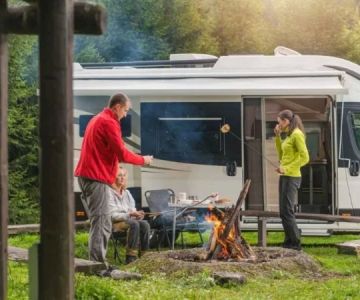
Build fires in designated rings or fire pans. Keep them small, no larger than necessary for cooking. Maintain a 3-foot diameter clearance around the fire, free of flammable materials. Always have water and a shovel on hand to fully extinguish flames before sleeping or departing.
6.2 Campsite Location
Choose flat, durable ground—500 feet from water sources to protect riparian habitats. Avoid camping at the base of cliffs where rockfall or wind tunnels can pose hazards. Test tent stakes before relying on them; loose soil or hidden roots can compromise stability.
7. Health and First Aid
Minor injuries and ailments can become serious if untreated. A comprehensive first-aid kit and the knowledge to use it are indispensable.
7.1 Kit Essentials
Your kit should include bandages, antiseptic wipes, blister treatment, pain relievers, antihistamines, and a SAM splint. Tailor contents to your party’s needs—include epinephrine auto-injectors if someone has severe allergies.
7.2 Preventing and Treating Blisters
Well-fitted socks and properly broken-in boots reduce blister risk. If blisters form, clean the area, apply blister pads, and change socks frequently. Proactive foot care prevents infections that could force early evacuation.
8. Real-Life Case Studies
Learning from real incidents strengthens awareness of hiking and camping safety tips in action.
8.1 Surviving a Sudden Storm
In 2023, a Colorado hiking group was caught in an unexpected hailstorm at 12,000 feet. Because they checked weather advisories and carried lightweight emergency shelters, they hunkered down safely under a rock overhang and used bivy sacks to stay warm until the storm passed.
8.2 Quick Rescue from Altitude Sickness
On Mount Whitney, a hiker experienced acute altitude sickness. Team members recognized confusion and nausea, administered oxygen from a portable cylinder, and began a rapid descent to lower elevation—averting a potentially fatal outcome.
9. Why Choose Camping Rural
9.1 Expert Gear Recommendations
At Camping Rural, you’ll find curated packs, weatherproof shelters, and navigation tools vetted by experienced guides. Their selection ensures you carry only what you need for safety and comfort.
9.2 Personalized Safety Workshops
Camping Rural offers online and in-person workshops on wilderness first aid, navigation skills, and fire safety. These hands-on sessions help you practice techniques before your trip.
9.3 Community and Support
Join the Camping Rural community forum to exchange trail reports, gear tips, and meet fellow adventurers. A supportive network enhances your confidence and preparedness.
 Villa del Sol3.0 (38 reviews)
 Jacks Fork Campground3.0 (138 reviews)
 Taylors Mobile Home Park2.0 (4 reviews)
 Elson Ponderosa Trailer Park4.0 (28 reviews)
 River Rock Point4.0 (9 reviews)
 The Grand Stand Camp0.0 (0 reviews)
 10 Must-Visit Campgrounds in the Midwest for Your Next Outdoor Adventure
 Romantic Camping Spots for Couples: Perfect Getaways in Nature
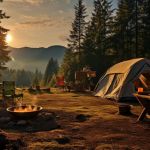 Ultimate Guide to Off the Grid Camping in Remote Locations
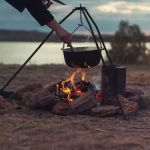 How to Cook Over a Campfire Safely for an Enjoyable Outdoor Experience
 Vanlife in Winter: My Personal Experience Living on the Road
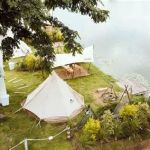 From City to Camp: My Journey to Nature and What I Learned