
- understanding-the-basics-of-a-campfire
- gathering-your-materials-tinder-kindling-and-fuelwood
- choosing-the-right-campfire-structure
- igniting-the-fire-safely-and-effectively
- maintaining-your-blaze
- real-campfire-stories-and-lessons-learned
- camping-rural-your-partner-for-campfire-adventures
1. Understanding the Basics of a Campfire
Learning how to build the perfect campfire is an essential outdoor skill that blends tradition, safety, and science. A great campfire provides warmth, cooks your food, and sets the tone for an unforgettable night under the stars. But to master the art of outdoor fire starting, you must first understand its core elements: oxygen, fuel, and ignition.
Many new campers think tossing logs into a pit and lighting a match is enough. In reality, a roaring blaze starts small—with dry, flammable tinder—then grows through layers of kindling and larger fuelwood. It’s an art built on patience and preparation, not brute force.
2. Gathering Your Materials: Tinder, Kindling, and Fuelwood
2.1 The Importance of Dryness
Moisture is your enemy. Tinder must be bone-dry and capable of catching a spark instantly. Birch bark, dry leaves, and cotton balls soaked in petroleum jelly work wonders. Next comes kindling—finger-thick sticks that catch easily and generate enough heat to ignite your fuelwood.
2.2 Choosing the Right Wood
Use seasoned hardwood like oak or hickory for longer burns, or softwood like pine for quick heat. Avoid green or freshly cut wood—it smokes, sizzles, and refuses to cooperate. If you're camping in unfamiliar terrain, research local sources or bring your own from a reputable supplier.
3. Choosing the Right Campfire Structure
3.1 Teepee vs. Log Cabin vs. Lean-To
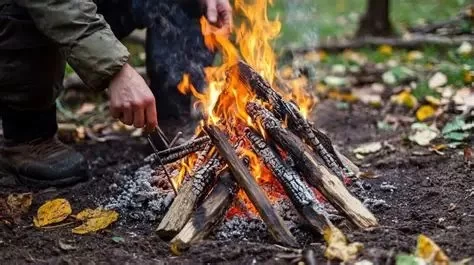
Each structure has its strengths. The teepee fire is ideal for fast ignition. Place your tinder in the center, kindling in a cone around it, and let air flow do the rest. Log cabin fires build height and stability—great for long burns and cooking. The lean-to setup is perfect for windy conditions, with a larger stick shielding the flame while kindling rests beneath.
3.2 Ground Prep and Fire Rings
Clear a fire-safe area—down to bare soil—and surround it with rocks if no fire ring is provided. This helps contain sparks and protects the environment. Never build directly on grass or near low-hanging branches.
4. Igniting the Fire Safely and Effectively
4.1 Modern Tools vs. Primitive Methods
Firestarters like stormproof matches or a ferro rod are reliable options. Lighters work fine, but in wet or windy conditions, they may fail. For the adventurous, try a magnifying glass or flint and steel—but practice before you need to rely on it.
4.2 Safety Comes First
Keep a bucket of water, sand, or a fire extinguisher nearby. Never leave a fire unattended, and extinguish completely—douse, stir, repeat—before heading to bed or leaving camp.
5. Maintaining Your Blaze
5.1 Feeding the Fire
Add fuelwood gradually. Don’t smother the flames with large logs. Fire needs oxygen. A good rule: if the flame dims when you add wood, you added too much or placed it poorly. Keep logs spaced enough for air to flow but close enough to radiate heat.
5.2 Adapting to the Weather
In humid or windy conditions, you may need a more sheltered setup or extra dry kindling. In cold weather, heat retention is key—stack your logs strategically to form a “fire wall” that reflects warmth toward you.
6. Real Campfire Stories and Lessons Learned
6.1 A Rookie Mistake in the Rockies
Jake, a first-time camper in Colorado, spent an hour trying to light wet sticks and newspaper. The result? Smoke, frustration, and cold hot dogs. A passing couple handed him a cotton ball and a ferro rod, and with one strike, the fire was roaring. Lesson: Always carry reliable tinder and test your materials.
6.2 A Rainy Night in Appalachia
Emma had experience, but nothing could prepare her for an unexpected downpour. She had built a lean-to fire with dry bark she’d kept in a waterproof bag. It saved the night, letting her boil tea and stay warm. “Preparation isn’t overkill,” she says. “It’s survival with a smile.”
7. Camping Rural: Your Partner for Campfire Adventures
Whether you’re prepping for your first blaze or want to upgrade your gear, Camping Rural offers top-quality tools, fire-starting kits, and campsite essentials. Our products are curated with real campers in mind—because nothing ruins a night faster than soggy tinder and broken lighters.
From seasoned firewood bundles to custom-designed kindling carriers, we make it easy to master the art of outdoor fire starting. Don’t just survive the wild—thrive in it. Let Camping Rural help you build the perfect campfire, from tinder to a roaring blaze.
 La Pacifica RV Park4.0 (165 reviews)
 The Resort RV Park4.0 (254 reviews)
 Choestoe Valley RV Park4.0 (31 reviews)
 Chimney Creek Campground4.0 (13 reviews)
 Apollo MHC3.0 (67 reviews)
 Fair Harbor RV Park & Campground4.0 (849 reviews)
 10 Must-Visit Campgrounds in the Midwest for Your Next Outdoor Adventure
 Romantic Camping Spots for Couples: Perfect Getaways in Nature
 Ultimate Guide to Off the Grid Camping in Remote Locations
 How to Cook Over a Campfire Safely for an Enjoyable Outdoor Experience
 Vanlife in Winter: My Personal Experience Living on the Road
 From City to Camp: My Journey to Nature and What I Learned