
- 1-Understanding-Cultural-Heritage-Sites
- 2-Preparing-for-Camping-in-Remote-Heritage-Areas
- 3-Best-Practices-for-Responsible-Camping
- 4-Real-Experiences-Camping-in-Heritage-Sites
- 5-Resources-and-Gear-from-Camping-Rural
1. Understanding Cultural Heritage Sites
Remote cultural heritage sites are treasured landscapes preserving historical, archaeological, and cultural significance. Camping in these areas offers a unique chance to immerse oneself in history while experiencing pristine natural environments. However, these sites often have fragile ecosystems and cultural sensitivities requiring careful consideration.
Awareness of the heritage value and legal protections helps campers appreciate their responsibilities during their visit.
1.1 Legal and Ethical Considerations
Many heritage sites are protected by local or international laws restricting certain activities. Campers must respect these regulations and obtain necessary permits where required to ensure preservation.
2. Preparing for Camping in Remote Heritage Areas
Preparation is vital when camping in remote cultural heritage sites due to limited facilities and potential challenges like rough terrain or isolation.
Key steps include:
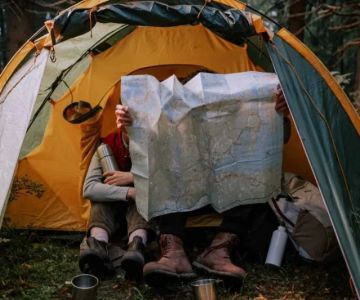
- Researching the site's history, rules, and environmental conditions.
- Securing camping permits or permissions from relevant authorities.
- Packing suitable gear including lightweight tents, water purification systems, and navigation tools.
- Planning for waste management and minimal environmental impact.
2.1 Safety and Communication
Inform someone about your itinerary, carry emergency communication devices, and prepare for weather changes. These precautions enhance safety in isolated areas.
3. Best Practices for Responsible Camping
To protect cultural heritage sites while camping, follow these best practices:
- Camp only in designated areas or spots that minimize disturbance.
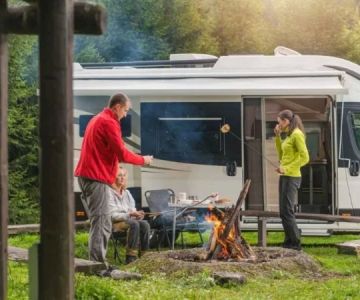
- Use existing fire pits if allowed, and avoid open fires in sensitive zones.
- Respect local customs and avoid disturbing archaeological features.
- Carry out all trash and leave the site as you found it.
- Minimize noise and light pollution to preserve the natural ambiance.
3.1 Engaging with Local Communities
Engage respectfully with local communities connected to the heritage sites. Learn about their traditions and support local economies through guided tours or purchasing handicrafts.
4. Real Experiences Camping in Heritage Sites
Emma, an avid camper, shares her story camping near ancient rock art sites in Australia. She emphasizes the awe inspired by the cultural connection and how strict adherence to site rules enhanced her experience without harming the environment.
Similarly, a group in Europe successfully organized a low-impact camping trip around medieval ruins, combining historical education with environmental stewardship.
4.1 Lessons from These Journeys
These stories illustrate that responsible camping enriches cultural appreciation and safeguards heritage for future generations.
5. Resources and Gear from Camping Rural
For those planning to camp in remote cultural heritage sites, Camping Rural offers expertly curated gear and guidance tailored to these unique conditions. From durable tents to eco-friendly camping tools, their selection supports safe, respectful, and comfortable outdoor experiences.
Visit Camping Rural to equip yourself with the right products and knowledge for your next heritage site adventure.

 Sunset Springs Camp & Event Center4.0 (7 reviews)
 Cinco Ranch RV Park4.0 (75 reviews)
 Goldenrod Loop4.0 (19 reviews)
 Sherman Oaks Campground3.0 (106 reviews)
 Palmer's Place4.0 (3 reviews)
 North Bear Campground4.0 (6 reviews)
 10 Must-Visit Campgrounds in the Midwest for Your Next Outdoor Adventure
 Romantic Camping Spots for Couples: Perfect Getaways in Nature
 Ultimate Guide to Off the Grid Camping in Remote Locations
 How to Cook Over a Campfire Safely for an Enjoyable Outdoor Experience
 Vanlife in Winter: My Personal Experience Living on the Road
 From City to Camp: My Journey to Nature and What I Learned