
- 1-Understanding-the-Risks-of-Camping-Near-Water
- 2-Choosing-the-Right-Campsite
- 3-Essential-Safety-Precautions
- 4-Equipment-and-Preparation-Tips
- 5-Real-Life-Camping-Near-Water-Experiences
- 6-Why-Choose-Camping-Rural-for-Your-Next-Trip
1. Understanding the Risks of Camping Near Water
Camping near water offers stunning views and recreational opportunities, but it also comes with unique risks. Flooding, unstable ground, and wildlife encounters are important factors to consider before setting up camp.
Recognizing these hazards helps you plan effectively and keep your camping experience safe and enjoyable.
1.1 Weather and Water Level Changes
Sudden rainstorms can raise water levels quickly, leading to flooding. Monitoring weather forecasts and understanding local water behavior are crucial for safety.
2. Choosing the Right Campsite
Selecting a safe location is the foundation of camping near water.
2.1 Elevation and Distance from Shore
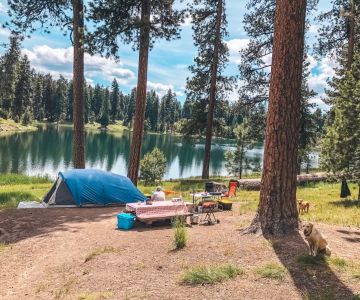
Set up your tent on higher ground at a safe distance from the water’s edge to avoid unexpected flooding.
2.2 Ground Stability
Ensure the ground is firm and free of erosion signs. Avoid areas with steep banks or loose soil.
3. Essential Safety Precautions
Taking safety measures reduces risk and enhances your comfort.
3.1 Proper Lighting and Awareness
Keep a flashlight or headlamp handy for navigating around the campsite at night to avoid accidental slips into the water.
3.2 Wildlife Safety
Water sources attract animals. Store food securely and keep a safe distance from wildlife.
3.3 Swimming and Boating Safety
If you plan to swim or boat, always use life jackets and never swim alone.
4. Equipment and Preparation Tips
Having the right gear and preparation makes camping near water both safe and enjoyable.
4.1 Waterproof Gear and Clothing
Invest in waterproof tents, tarps, and clothing to stay dry during unexpected rain.
4.2 Emergency Supplies
Bring a first aid kit, emergency whistle, and communication device to handle unforeseen situations.
5. Real-Life Camping Near Water Experiences
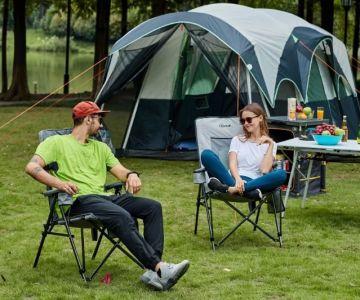
During a recent trip, Sarah and her family chose a campsite a safe distance from a lake. Thanks to careful planning and equipment, they enjoyed fishing and kayaking while staying dry and secure during a sudden storm.
Another camper, Mike, learned the importance of elevation the hard way when his tent was flooded after setting up too close to a river. His story reminds us all to respect nature’s unpredictability.
6. Why Choose Camping Rural for Your Next Trip
Camping Rural offers expert advice, gear recommendations, and curated camping spots ideal for safe water-adjacent experiences. Whether you’re a novice or seasoned camper, their resources and products help you enjoy nature safely and comfortably.
 La Pacifica RV Park4.0 (165 reviews)
 The Resort RV Park4.0 (254 reviews)
 Choestoe Valley RV Park4.0 (31 reviews)
 Chimney Creek Campground4.0 (13 reviews)
 Apollo MHC3.0 (67 reviews)
 Fair Harbor RV Park & Campground4.0 (849 reviews)
 10 Must-Visit Campgrounds in the Midwest for Your Next Outdoor Adventure
 Romantic Camping Spots for Couples: Perfect Getaways in Nature
 Ultimate Guide to Off the Grid Camping in Remote Locations
 How to Cook Over a Campfire Safely for an Enjoyable Outdoor Experience
 Vanlife in Winter: My Personal Experience Living on the Road
 From City to Camp: My Journey to Nature and What I Learned