
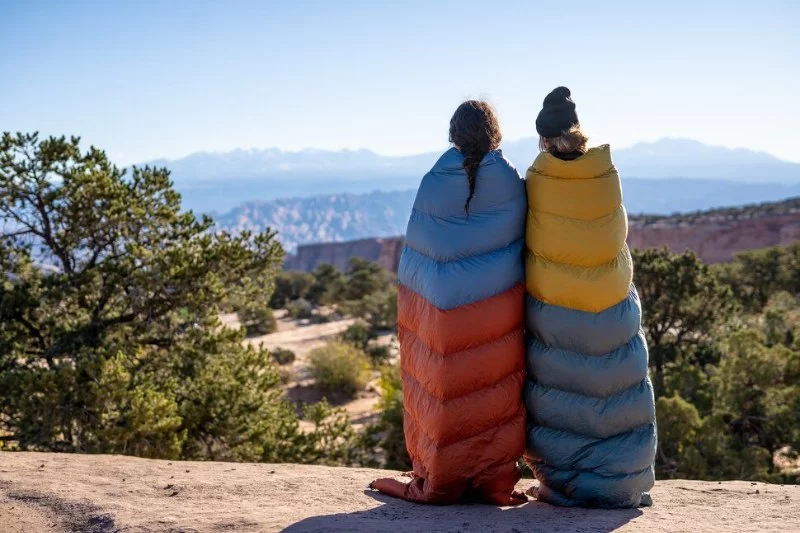
How to Choose the Best Sleeping Bag for Your Camping Trip
best sleeping bag for camping, camping sleeping bag guide, choosing a sleeping bag, outdoor sleeping bags, camping gear essentials, sleeping bag temperature ratings, camping comfort, sleeping bag materials
Looking for the perfect sleeping bag for your camping trip? Discover expert tips on how to choose the best sleeping bag for your needs, with insights on temperature ratings, materials, and comfort for a great night's sleep in the outdoors.
1. Understanding the Basics: What Makes a Great Sleeping Bag?
Choosing the right sleeping bag is one of the most important decisions you’ll make when preparing for a camping trip. After all, a good night's sleep is essential for staying energized during your outdoor adventures. But with so many options available, how do you know which one is right for you? Let’s break down the key factors that go into choosing a sleeping bag, starting with the most important elements: temperature rating, insulation type, and material.
2. Temperature Rating: Choosing the Right Bag for the Climate
The temperature rating of a sleeping bag is one of the most crucial factors to consider. Sleeping bags are designed for various temperature ranges, and selecting one suited to your camping environment is essential. Here’s a quick guide:
- Summer (35°F and above): If you're camping in warm weather, a sleeping bag rated between 35°F and 50°F will keep you cool while offering just enough warmth at night.
- Three-Season (20°F to 35°F): For spring, summer, and fall camping, a three-season sleeping bag is ideal. These are versatile bags that can handle colder nights without overheating during warmer months.
- Winter (20°F and below): If you’re venturing into cold or snowy conditions, a winter sleeping bag with a rating of 20°F or lower is necessary to keep you warm in sub-zero temperatures.
3. Insulation Types: Down vs. Synthetic
Sleeping bags typically come with either down or synthetic insulation. Both types have their pros and cons, so it’s important to understand the differences:
- Down Insulation: Down sleeping bags are incredibly light and packable, making them ideal for long backpacking trips. They’re also more durable and offer superior warmth-to-weight ratios. However, they tend to be more expensive and lose their insulating properties when wet.
- Synthetic Insulation: Synthetic bags are usually more affordable and perform better in wet conditions, as they retain warmth even when damp. While heavier and bulkier than down, they’re great for those who prefer easy-care and water-resistant options.
4. Materials and Comfort: The Fabric That Keeps You Cozy
The material of your sleeping bag plays a significant role in comfort. You’ll want a bag that offers both breathability and warmth. Look for high-quality fabrics such as:
- Ripstop Nylon: Known for its durability and resistance to tears, ripstop nylon is a common fabric used in sleeping bags.
- Polyester: Lightweight and soft, polyester is another material often found in sleeping bags. It’s also resistant to moisture, making it a great choice for damp environments.
Additionally, consider the inner lining of the sleeping bag. Fabrics like brushed polyester or fleece offer a soft feel against your skin, making your sleep more comfortable.
5. Size and Fit: Finding the Right Sleeping Bag for Your Body
When selecting a sleeping bag, the fit matters just as much as the temperature rating. A bag that’s too tight will restrict movement, while one that’s too loose may not trap enough heat. Here’s what to look for:
- Sleeping Bag Length: Make sure the sleeping bag fits your height. Most sleeping bags come in regular and long sizes, so you’ll want one that’s long enough to provide ample space without being oversized.
- Sleeping Bag Shape: Sleeping bags come in three main shapes: rectangular, semi-rectangular, and mummy. Rectangular bags offer more room but may not be as warm. Mummy bags, on the other hand, are more thermally efficient as they taper at the feet and are perfect for colder conditions.
6. Additional Features to Consider
While the basics—temperature rating, insulation, and fit—are crucial, several other features can make a sleeping bag even more comfortable and practical:
- Hood: A well-designed hood can help trap warmth around your head, which is vital for staying warm during cold nights.
- Foot Box: A spacious foot box can provide added comfort for your feet, especially on longer trips.
- Zipper Features: Look for sleeping bags with anti-snag zippers, dual zippers, or full-length zippers for easy ventilation and comfort.
7. Case Study: Choosing the Right Sleeping Bag for a Weekend Camping Trip
Let’s say you’re planning a weekend camping trip in the early spring, and the forecast predicts temperatures around 40°F. You would need a sleeping bag that falls within the three-season range. A synthetic bag would be a great option because of its affordability, moisture resistance, and warmth. A three-season sleeping bag rated around 30°F to 35°F would ensure a good balance of warmth and comfort without feeling overheated. This example demonstrates how understanding the environmental factors and your personal needs can help you make an informed decision.
8. Conclusion: The Perfect Sleeping Bag for Your Adventure
Choosing the right sleeping bag for your camping trip doesn’t have to be complicated. By understanding the temperature ratings, insulation types, materials, and fit, you’ll be able to select a bag that fits your needs and ensures a comfortable night’s sleep under the stars. Don’t forget to consider additional features like hoods, foot boxes, and zippers for an even better experience. Ready to choose your perfect sleeping bag? Visit Camping Rural for the best camping gear and expert recommendations.
 Forest Ridge Campground4.0 (83 reviews)
 Happy Time RV Park4.0 (27 reviews)
 Fisherman's Group Campground4.0 (9 reviews)
 Jack Creek Recreation Area4.0 (207 reviews)
 Bears Den Rv Park4.0 (27 reviews)
 Lazy River Camping Area4.0 (153 reviews)
 10 Must-Visit Campgrounds in the Midwest for Your Next Outdoor Adventure
 Romantic Camping Spots for Couples: Perfect Getaways in Nature
 Ultimate Guide to Off the Grid Camping in Remote Locations
 How to Cook Over a Campfire Safely for an Enjoyable Outdoor Experience
 Vanlife in Winter: My Personal Experience Living on the Road
 From City to Camp: My Journey to Nature and What I Learned