
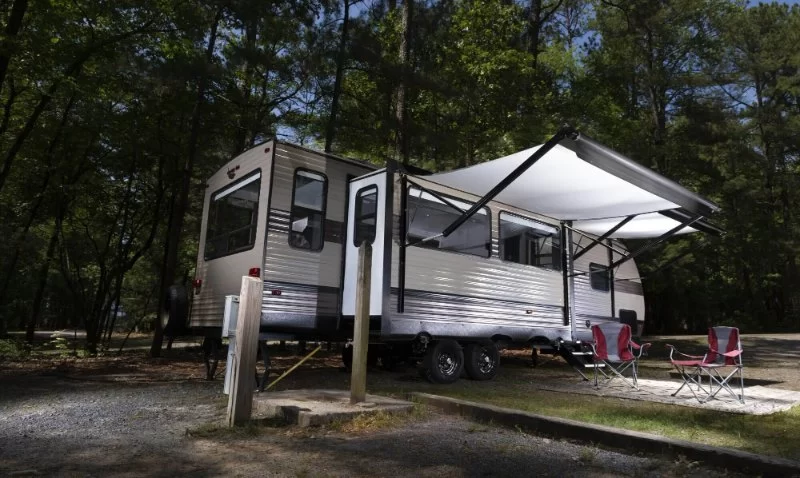
How to Choose the Right RV Awning for Your Motorhome
- Understanding-RV-Awnings
- Types-of-RV-Awnings
- Awning-Materials-and-Durability
- Manual-vs-Electric-Awning
- Considering-Size-Fit-and-Installation
- Maintenance-and-Longevity
- Real-Owner-Experiences
- Expert-Recommendations-from-Camping-Rural
1. Understanding RV Awnings
When it comes to motorhome comfort, few upgrades make as big a difference as the right awning. Choosing wisely can transform your outdoor space—providing shade, shelter, and a touch of home on the open road. But figuring out how to choose the right RV awning for your motorhome isn’t always straightforward. Between fabric types, operating systems, and mounting options, there’s a lot to consider.
An RV awning does more than block the sun—it extends your living space. Whether you’re sipping coffee in a quiet desert or hosting friends at a lakeside campground, the right setup defines your experience. That’s why careful selection pays off in both comfort and durability.
2. Types of RV Awnings
2.1 Patio awnings
These are the most common and typically run the full length of your motorhome. They’re perfect for creating shaded outdoor areas for lounging or dining. Many travelers prefer fabric styles that complement their RV’s exterior design.
2.2 Window and door awnings
Smaller but incredibly functional, these protect specific sections from rain and sunlight. They help regulate interior temperature and reduce glare—an underrated energy saver for long-term travelers.
2.3 Slide-out toppers
If your motorhome has slide-outs, toppers are essential. They prevent debris and moisture buildup on the extended sections, protecting seals and mechanics. Though not glamorous, they’re vital for maintaining your RV’s longevity.
3. Awning Materials and Durability
3.1 Fabric choices
The material determines how long your awning will last and how it performs under weather exposure. Vinyl is affordable and easy to clean—ideal for mild climates. Acrylic, on the other hand, breathes better and resists mildew, making it great for humid regions or full-time travelers.
3.2 Frame quality
Aluminum frames offer strength without excessive weight, while steel provides maximum durability for large setups. Powder-coated finishes help resist corrosion. When comparing models, always look for UV resistance and waterproofing certifications.
3.3 Real-world perspective
One long-term RVer from Arizona shared, “Our vinyl awning lasted five years before fading, but switching to acrylic made a night-and-day difference. It handles heat better and dries faster after rain.” Practical insight like this proves that climate plays a key role in awning selection.
4. Manual vs. Electric Awning
4.1 Manual models
Manual awnings are affordable, reliable, and easy to repair. They use pull-down mechanisms or hand cranks—ideal for travelers who prefer simplicity or boondocking with minimal power use. The trade-off: a bit more muscle during setup.
4.2 Electric convenience
Electric awnings open and retract at the push of a button—perfect for those seeking comfort and quick shade. Many include wind sensors that automatically retract during storms. While more expensive, they add a premium touch to any motorhome.
4.3 Hybrid or assisted systems
Some newer models blend both worlds—manual override with electric motors—offering flexibility when power fails. They’re gaining popularity among frequent travelers who value both convenience and control.
5. Considering Size, Fit, and Installation
5.1 Measuring correctly
Accurate measurement is critical. Measure from center to center of awning arms or mounting brackets, not the fabric width. A small error here can lead to poor fit or uneven coverage.
5.2 Fit and clearance
Check that the awning won’t obstruct windows, vents, or doors. For larger motorhomes, multiple awnings may offer better coverage. Always review installation manuals before purchase—especially if adding slide-out toppers.
5.3 DIY vs. professional install
Experienced RV owners often install manually operated awnings themselves. Electric models usually require professional wiring for safety. If unsure, working with certified installers ensures longevity and warranty protection.
6. Maintenance and Longevity
6.1 Cleaning and protection
Regular cleaning keeps fabrics vibrant and prevents mildew. Use mild soap and a soft brush—avoid harsh chemicals that weaken seams. Let it dry completely before retracting to prevent odor and mold buildup.
6.2 Wind and rain precautions
Strong gusts can damage even premium awnings. Retract during storms and use tie-downs or stabilizers in breezy conditions. Many electric models feature automatic retraction for this reason.
6.3 Seasonal care
Before winter storage, inspect for tears or rust. Lubricate moving parts and store in a shaded area if removable. A well-cared-for awning can easily last 8–10 years.
7. Real Owner Experiences
When discussing how to choose the right RV awning for your motorhome, firsthand stories say more than specs. A couple from Colorado recounted how switching to an electric awning made setup times effortless, especially when sudden mountain rain rolled in. Another owner from Florida highlighted how a breathable acrylic fabric reduced interior heat during long coastal stays. Every RVer’s needs differ—but shared experiences reveal what matters most: reliability, ease of use, and climate fit.
8. Expert Recommendations from Camping Rural
8.1 Matching products to your travel style
If you travel mostly in sunny states, a UV-resistant acrylic awning will last longer and look better over time. For occasional weekend campers, vinyl is a cost-effective option. Those who want full automation should explore wind-sensor-equipped electric models.
8.2 Why trust Camping Rural
Camping Rural offers curated selections of high-quality RV awnings, installation kits, and accessories tested by real travelers. Our experts provide guidance tailored to your vehicle’s size, region, and lifestyle, ensuring that you invest wisely rather than guess blindly.
8.3 Ready to upgrade?
Choosing the perfect awning means combining practicality with personality. With the help of Camping Rural, you’ll find options that not only fit your motorhome but elevate every stop along the way. Whether you’re parked under desert stars or beside a forest lake, your awning becomes more than shade—it’s your personal outdoor haven.
 Great Escapes RV Resorts Chesnut Bay4.0 (71 reviews)
 The Palms Mobile Home Park3.0 (36 reviews)
 Ravinia Anchor Bay3.0 (81 reviews)
 Clearwater Lake Recreation4.0 (285 reviews)
 Osprey Mobile Home Community of Grafton0.0 (0 reviews)
 Somerfield Beach Campground (seasonal - no weekly / weekend rentals)4.0 (24 reviews)
 10 Must-Visit Campgrounds in the Midwest for Your Next Outdoor Adventure
 Romantic Camping Spots for Couples: Perfect Getaways in Nature
 Ultimate Guide to Off the Grid Camping in Remote Locations
 How to Cook Over a Campfire Safely for an Enjoyable Outdoor Experience
 Vanlife in Winter: My Personal Experience Living on the Road
 From City to Camp: My Journey to Nature and What I Learned