- finding-hidden-campsites-near-national-parks - how-to-start-and-what-to-know
- using-local-knowledge-and-maps - tools-that-reveal-less-known-spots
- legal-and-safety-considerations - camp-smart-and-stay-responsible
- real-world-experiences - stories-from-seasoned-campers
- gear-and-preparation-strategy - choosing-the-right-equipment
Finding Hidden Campsites Near National Parks: How to Start and What to Know
Learning how to find hidden campsites near national parks is almost a rite of passage for campers who want quieter nights, better views, and a deeper connection with nature. National parks in the United States attract millions of visitors every year, which often means crowded campgrounds booked months in advance. Yet, just beyond the official boundaries, there are often overlooked camping areas that feel untouched.
The key is understanding that “hidden” does not mean illegal or unsafe. Many of these spots exist on nearby public lands, forest service roads, or lesser-known recreation areas. Experienced campers often say that the difference between a packed campground and a peaceful campsite can be just a few miles and the right information.
Instead of rushing straight to the most popular campground listed on official park websites, successful campers slow down. They research, talk to locals, and learn how different land management systems work in the U.S. This approach not only helps you avoid crowds but also gives you more flexibility when planning last-minute trips.
Using Local Knowledge and Maps: Tools That Reveal Less-Known Spots
One of the most effective ways to uncover hidden campsites near national parks is by combining modern tools with old-school local knowledge. Digital maps can show you terrain, access roads, and land ownership, but they rarely tell the full story on their own.
Seasoned campers often rely on a layered strategy. First, they study detailed maps that highlight national forests, Bureau of Land Management areas, and state-managed lands surrounding parks. These zones frequently allow dispersed camping, which means you can camp outside of designated campgrounds as long as you follow specific rules.
Second, local insight matters. Small-town outdoor shops, gas stations near park entrances, and even fellow campers can provide tips that never appear online. A casual conversation can lead you to a quiet pull-off by a river or a ridge-top clearing with panoramic views.
Many travelers also recommend planning gear and supplies in advance so you are ready for these off-the-beaten-path locations. Platforms like Camping Rural can be useful for finding suitable camping gear, services, and recommendations tailored to more remote camping experiences, especially when official park facilities are far away.
Legal and Safety Considerations: Camp Smart and Stay Responsible
While the idea of hidden campsites is exciting, understanding the legal framework is essential. Public land rules vary by location, and ignorance can quickly turn an enjoyable trip into a stressful situation.
Most dispersed camping areas have limits on how long you can stay, where you can park, and how close you can camp to water sources or roads. Ignoring these guidelines can result in fines or forced relocation. Responsible campers always check local regulations before setting up camp.
Safety is equally important. Hidden campsites often lack cell service, bathrooms, and nearby help. This means preparation is not optional. Carry extra water, inform someone of your plans, and be realistic about your skills and vehicle capabilities. A quiet campsite is only enjoyable if you can leave it safely.
From an environmental perspective, practicing Leave No Trace principles builds trust between campers and land managers. The more respectful campers are, the more likely these lesser-known areas remain accessible for future visitors.
Real-World Experiences: Stories From Seasoned Campers
A widely shared camping story from recent years involved a family visiting a major western national park during peak season. After finding every official campground full, they explored nearby forest service roads and discovered a legal dispersed campsite overlooking a valley. While the park campground was noisy and crowded, their hidden site offered silence, stars, and wildlife sightings.
Another experienced solo camper described how learning how to find hidden campsites near national parks completely changed their travel style. Instead of planning trips around reservations, they planned around regions. This flexibility allowed them to stay longer, explore more, and avoid stress when plans changed unexpectedly.
These stories highlight an important point: hidden campsites are not about secrecy for its own sake. They are about awareness, patience, and respect for the land. Campers who invest time in learning these skills often find that the experience feels more personal and rewarding.
Gear and Preparation Strategy: Choosing the Right Equipment
Camping away from established sites changes your gear priorities. Lightweight, durable equipment becomes more valuable, especially when terrain or access roads are unpredictable. A reliable shelter, proper lighting, and navigation tools are no longer optional extras.
Food storage is another critical factor. Hidden campsites are often closer to wildlife habitats, which means you need to be mindful of how you store food and trash. Proper containers protect both you and the animals.
Many campers streamline their preparation by sourcing gear and advice from specialized platforms. Camping Rural is often mentioned by travelers who want practical, location-appropriate recommendations rather than generic camping checklists. Having the right setup makes it easier to focus on the experience instead of logistics.
Ultimately, mastering how to find hidden campsites near national parks is about building confidence through knowledge and preparation. With the right mindset and tools, these quieter places can become the most memorable part of your outdoor adventures.
 Forest Ridge Campground4.0 (83 reviews)
 Happy Time RV Park4.0 (27 reviews)
 Fisherman's Group Campground4.0 (9 reviews)
 Jack Creek Recreation Area4.0 (207 reviews)
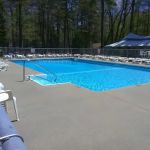 Bears Den Rv Park4.0 (27 reviews)
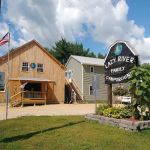 Lazy River Camping Area4.0 (153 reviews)
 10 Must-Visit Campgrounds in the Midwest for Your Next Outdoor Adventure
 Romantic Camping Spots for Couples: Perfect Getaways in Nature
 Ultimate Guide to Off the Grid Camping in Remote Locations
 How to Cook Over a Campfire Safely for an Enjoyable Outdoor Experience
 Vanlife in Winter: My Personal Experience Living on the Road
 From City to Camp: My Journey to Nature and What I Learned