
- Natural Water Sources While Camping
- Methods to Identify Potable Water
- Water Purification Techniques
- Real-Life Camping Water Experience
- Recommendations for Camping Water Equipment
1. Natural Water Sources While Camping
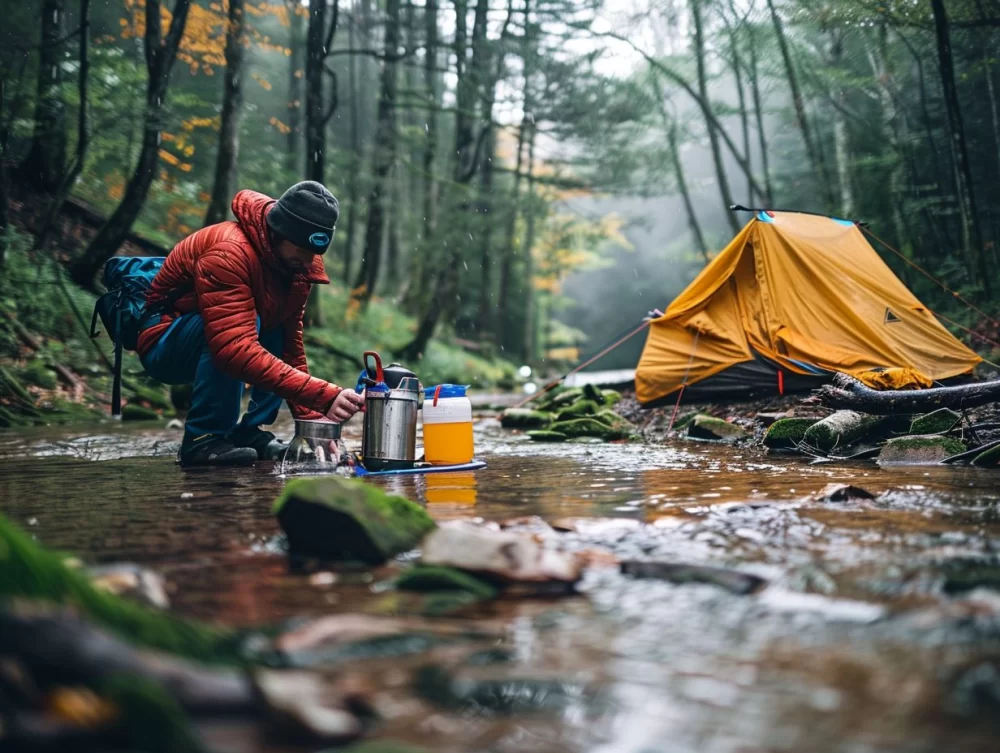
When you’re out in the wilderness, finding potable water is often one of the most critical survival tasks. Natural sources such as streams, rivers, springs, and lakes are the first places campers usually consider. However, not all natural water is safe to drink. For example, fast-moving streams generally contain fewer contaminants than stagnant ponds, but they still can harbor bacteria, protozoa, or viruses.
Spring water emerging directly from underground sources can be one of the safest options, as it is naturally filtered through layers of rock and soil. In contrast, surface water exposed to animals, human activity, or environmental pollutants often requires treatment before consumption. Collecting rainwater is another great alternative, especially in forested or mountainous areas, since it’s relatively clean if caught properly.
Understanding how to recognize and prioritize these natural water sources is essential. Campers should avoid water near industrial sites, agricultural runoff, or visibly polluted areas to reduce health risks. Observing the environment carefully helps ensure that the water you gather has the best chance of being safe.
1.1 Why Location Matters for Water Safety
Water quality often depends heavily on the location. For instance, water in remote, less-traveled areas is less likely to be contaminated by human activities. Conversely, water downstream from campsites or animal habitats may contain pathogens. It’s important to scout your camping area beforehand and plan your water sources accordingly.
1.2 Recognizing Safe Water Indicators
Clear, flowing water that doesn’t have an unpleasant odor or visible algae is generally safer. Avoid water that’s discolored, has a foul smell, or shows signs of heavy sediment or foam. These signs may indicate pollution or biological contamination, making the water unsafe for direct consumption.
2. Methods to Identify Potable Water
Determining if water is potable while camping isn’t always straightforward. You can’t rely solely on sight or smell. Several practical methods help identify water that’s likely safe or at least treatable:
2.1 Boiling Water
Boiling is one of the most effective ways to kill harmful microorganisms, including bacteria, viruses, and protozoa. Bringing water to a rolling boil for at least one minute (or three minutes at higher altitudes) ensures that most pathogens are neutralized. Though it requires a heat source and time, boiling remains a universally trusted method.
2.2 Using Water Testing Kits
Portable water testing kits are increasingly popular among campers. These kits can test for common contaminants like bacteria, nitrates, or chlorine. While they don’t guarantee absolute safety, they offer an extra layer of confidence, especially when sourcing water from unfamiliar places.
2.3 Observing Wildlife Behavior
While not scientifically precise, wildlife behavior can give clues. Animals generally avoid water contaminated with toxic substances. Seeing birds or mammals drinking from a water source can be a positive sign, but this should never replace proper purification.
3. Water Purification Techniques
Even after finding a seemingly clean water source, purification is crucial to ensure safety. Here are several effective purification techniques that every camper should know:
3.1 Filtration Systems
Portable water filters designed for camping can remove sediments, protozoa, and bacteria from natural water. Some advanced filters also eliminate viruses. These devices vary in size and efficiency—from straw-style filters to pump systems—and are convenient for hiking or extended trips.
3.2 Chemical Purification
Using chemical tablets or drops like iodine or chlorine dioxide is a lightweight and easy way to disinfect water. This method requires a waiting period (usually 30 minutes to an hour) for the chemicals to work effectively. It’s important to follow instructions carefully to avoid taste issues or incomplete purification.
3.3 UV Light Purifiers
Portable UV purifiers use ultraviolet light to deactivate harmful microorganisms quickly. These devices are compact and battery-operated, making them ideal for modern campers. They require clear water for maximum effectiveness, so pre-filtering murky water is recommended.
3.4 Combining Methods for Safety
In some cases, combining filtration and chemical treatment or boiling adds extra protection, especially in high-risk areas. This layered approach helps eliminate a wider range of pathogens and reduces the chance of waterborne illness.
4. Real-Life Camping Water Experience
During one of my camping trips in the Rocky Mountains, I encountered a scenario highlighting the importance of knowing how to find potable water. After hiking for several hours, the only visible water source was a slow-moving pond near our campsite. Instead of drinking directly, we used a portable filter followed by boiling the water. This process ensured safety and prevented stomach issues that could have derailed our trip.
This experience reinforced a valuable lesson: even if water looks clean, assuming it’s safe without treatment can be risky. Many seasoned campers share similar stories where cautious water handling made the difference between an enjoyable adventure and a health emergency.
4.1 Lessons from Experienced Campers
Experienced campers often recommend carrying multiple water purification options to adapt to changing conditions. Whether caught in unexpected rain or forced to rely on a questionable water source, having flexible solutions can be a lifesaver. These insights come not only from personal experience but from decades of collective outdoor knowledge.
5. Recommendations for Camping Water Equipment
To make your water sourcing and purification efforts easier and more reliable, investing in quality camping water equipment is key. At Camping Rural, you can find an excellent selection of trusted products designed for various outdoor scenarios, including:
5.1 Portable Water Filters and Pumps
Lightweight and durable filters suitable for day hikes or multi-day trips provide dependable filtration from most natural sources. Look for options with a broad filtration range to cover bacteria and protozoa.
5.2 Water Purification Tablets and Drops
Compact chemical treatments are perfect backups or primary solutions when heat sources aren’t available. Brands with neutral taste profiles improve user experience without sacrificing effectiveness.
5.3 UV Purification Devices
Modern UV purifiers offer quick, electronic water treatment that is easy to carry. These devices complement traditional methods and fit well with tech-savvy campers.
By preparing with the right equipment and understanding how to find potable water while camping, you increase your chances of a safe and enjoyable outdoor adventure. Whether you are a beginner or a seasoned explorer, knowledge combined with reliable gear ensures you stay hydrated and healthy throughout your trip.
 Manton Christian Camp4.0 (15 reviews)
 Casey KOA Journey4.0 (400 reviews)
 Twin Harbor Property Owners4.0 (168 reviews)
 Beaver Dam Campground4.0 (104 reviews)
 Triple Creek Campground4.0 (276 reviews)
 Prince Creek Boat-In Campground5.0 (7 reviews)
 10 Must-Visit Campgrounds in the Midwest for Your Next Outdoor Adventure
 Romantic Camping Spots for Couples: Perfect Getaways in Nature
 Ultimate Guide to Off the Grid Camping in Remote Locations
 How to Cook Over a Campfire Safely for an Enjoyable Outdoor Experience
 Vanlife in Winter: My Personal Experience Living on the Road
 From City to Camp: My Journey to Nature and What I Learned