
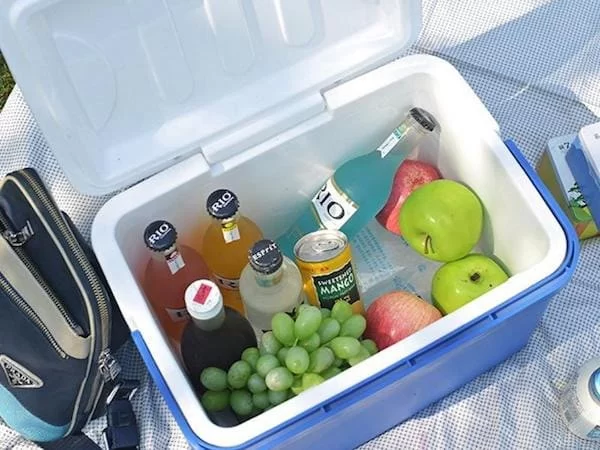
How to Keep Your Food Safe and Fresh While Camping
food safety while camping, camping food storage tips, keeping food fresh outdoors, camping meal planning, food preservation in nature, camping food safety guide, fresh camping meals
Learn how to keep your food fresh and safe while camping. This guide covers food storage, meal prep, and tips to ensure your meals stay fresh, even in the great outdoors.
Understanding the Challenges of Keeping Food Fresh While Camping
Camping can be an exciting adventure, but one thing that often gets overlooked is how to keep your food fresh and safe while out in nature. Whether you're camping in the mountains or at the beach, food safety should always be a priority. There’s nothing worse than preparing a delicious meal, only to find that it’s spoiled or unsafe to eat. Fortunately, with a little planning and the right techniques, you can keep your food fresh and avoid any unpleasant surprises. Let’s dive into some practical tips and strategies for food safety during your next camping trip.
1. Choose the Right Food for Camping
Before heading out on your camping trip, it’s important to select foods that can withstand the elements. Opt for items that don’t require refrigeration, or plan your meals so that they can stay fresh for a longer period. Canned goods, freeze-dried meals, and hearty vegetables like carrots and potatoes are great camping options. Also, consider vacuum-sealed meats or pre-cooked proteins that can stay fresh without refrigeration for a few days.
Foods That Travel Well for Camping
- Trail mix, granola bars, and other non-perishable snacks
- Hard cheeses that don’t require refrigeration
- Canned beans, tuna, and vegetables
- Fresh fruits like apples and citrus that can last for a few days
2. Proper Food Storage is Key
Once you've selected your camping food, proper storage is the next crucial step. The right storage method can keep food safe for days and ensure it doesn’t spoil too quickly. Here’s how to properly store your food while camping:
Coolers and Ice Packs
If you're bringing perishable items like dairy or meat, a cooler is essential. Make sure to pack your cooler with plenty of ice or ice packs to keep your food at the right temperature. For best results, use a cooler with thick insulation and consider using dry ice for extra cooling power. Remember to keep your cooler out of the sun, as heat can quickly cause your food to spoil.
Insulated Bags for Extra Protection
For items that don’t need to be refrigerated but could benefit from being kept cool, insulated bags are a great option. These bags are ideal for keeping snacks or drinks cool without the need for a full-size cooler. Just make sure to pack your insulated bag with ice packs or frozen water bottles to maintain the temperature.
3. Organize Your Meals to Prevent Waste
When camping, it’s easy to overpack and end up with extra food that goes to waste. To avoid this, try meal planning and organizing your food into smaller portions. This way, you only bring what you’ll need for each day. Consider prepping your meals ahead of time and storing them in sealed containers to keep everything organized. This will help reduce the chances of spoiling, as well as minimize food waste.
Prepping Meals for the Camping Trip
Meal prepping not only saves time during your trip but also ensures that your food stays fresh for as long as possible. You can prepare things like salads, chopped vegetables, and marinated proteins in advance and store them in airtight containers. This way, your meals are ready to go when you’re ready to eat, and your food won’t spoil as quickly because it has been kept at the proper temperature.
4. Be Mindful of Hygiene and Cleanliness
Hygiene plays a huge role in keeping your food safe and fresh while camping. Make sure to wash your hands regularly and sanitize your cooking utensils. Cleanliness is key to preventing cross-contamination and keeping your food safe from harmful bacteria. Here are some tips:
- Bring biodegradable soap and wash your dishes far away from water sources to avoid contamination.
- Always use clean utensils when preparing food to avoid contamination from raw meat.
- Use separate cutting boards for meats and vegetables.
5. Safeguard Your Leftovers
If you find yourself with leftover food, it’s important to store it properly to prevent spoilage. Any perishable leftovers should be refrigerated or kept in a cooler if you plan on eating them the next day. If you’re not able to finish your meals, be sure to dispose of leftovers properly to avoid attracting animals to your campsite.
Leftover Storage Tips
If you plan to store leftovers, keep them in airtight containers or resealable bags to preserve their freshness. Label the containers with the date, so you know when to eat them or discard them. If you’re unable to refrigerate the leftovers immediately, make sure they’re placed in a cooler with plenty of ice.
6. The Role of Clean Drinking Water
Water is essential to both food preparation and cleanliness while camping. Always ensure you have access to clean drinking water for both cooking and washing your hands and utensils. You can bring bottled water or use a portable filtration system to ensure that your water is safe for consumption. Dirty water can lead to illness, so make it a priority to purify any water you plan to use for cooking or drinking.
Conclusion: Enjoying Safe and Fresh Meals While Camping
By following these tips and being mindful of food storage and hygiene, you can ensure that your meals stay fresh, safe, and delicious while camping. Proper planning is key to avoiding food spoilage and ensuring that you and your fellow campers stay healthy and satisfied throughout your trip. With the right preparation, you can enjoy your time outdoors without worrying about food safety. If you need help planning your next camping trip, be sure to visit Pine Cliff Resort for the best outdoor products and camping services.
 Forest Ridge Campground4.0 (83 reviews)
 Happy Time RV Park4.0 (27 reviews)
 Fisherman's Group Campground4.0 (9 reviews)
 Jack Creek Recreation Area4.0 (207 reviews)
 Bears Den Rv Park4.0 (27 reviews)
 Lazy River Camping Area4.0 (153 reviews)
 10 Must-Visit Campgrounds in the Midwest for Your Next Outdoor Adventure
 Romantic Camping Spots for Couples: Perfect Getaways in Nature
 Ultimate Guide to Off the Grid Camping in Remote Locations
 How to Cook Over a Campfire Safely for an Enjoyable Outdoor Experience
 Vanlife in Winter: My Personal Experience Living on the Road
 From City to Camp: My Journey to Nature and What I Learned