
1. Embracing Sustainability in Camping
Camping is one of the best ways to connect with nature, but it also offers a great opportunity to practice sustainable living. As a passionate camper, I’ve always been keen on minimizing my environmental impact while enjoying the great outdoors. Over the years, I’ve learned simple and effective ways to make my camping trips more eco-friendly and reduce waste. In this article, I’m excited to share practical tips and insights that will help you enjoy your next camping adventure while keeping waste to a minimum.
2. Why Minimal Waste Matters in Camping
When you’re camping in nature, the environment around you is your home. Unfortunately, it’s all too easy for outdoor enthusiasts to inadvertently contribute to pollution and waste. From plastic bottles to disposable utensils, many common camping items can end up in landfills, harming wildlife and the surrounding ecosystem. But as more people become aware of the environmental impact, minimal waste camping is becoming a key part of the eco-friendly movement in the outdoor community.
What struck me the most during my early camping trips was how much waste I accumulated without realizing it. But over time, I’ve adopted better habits that help me reduce waste, leaving the natural environment cleaner and more beautiful. Here’s how you can do the same.
3. Practical Tips for Minimizing Waste While Camping
To make your camping trip truly eco-friendly, you’ll need to adopt a few simple yet impactful practices. Here are some of the most effective ways to minimize waste while camping:
3.1 Choose Reusable Items
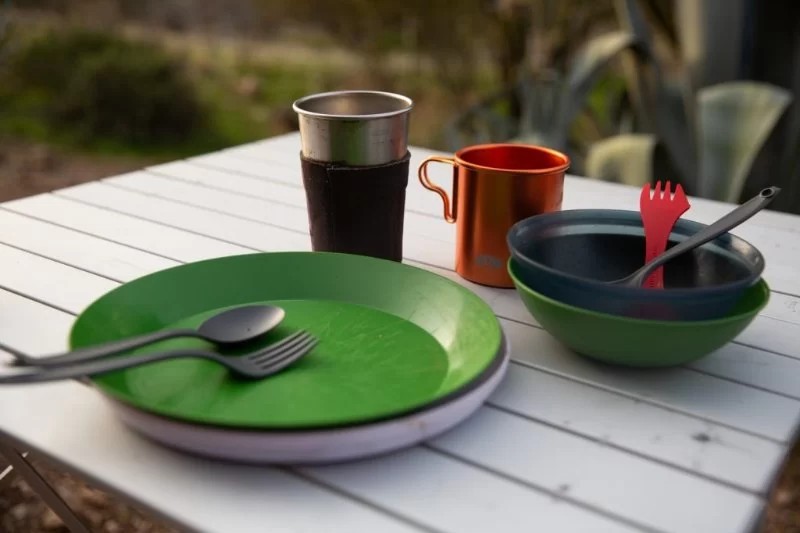
One of the easiest ways to cut down on waste while camping is to switch from single-use items to reusable alternatives. For instance, instead of using disposable plastic plates and cups, opt for durable, lightweight items like stainless steel or bamboo dishes. I personally use a set of reusable utensils and a stainless steel water bottle that I take with me on every camping trip. Not only does this reduce waste, but it also saves money in the long run.
Other items like cloth napkins, reusable bags, and beeswax wraps can also be great alternatives to single-use plastics. These small changes can make a big difference in reducing your environmental impact.
3.2 Plan Your Food Carefully
Food waste is another significant issue when it comes to camping. In my early camping experiences, I would often overestimate how much food I’d need, leading to leftovers that ended up in the trash. Now, I plan my meals more carefully, ensuring I bring just the right amount of food and reduce unnecessary packaging.
For example, I pack ingredients that can be reused in multiple meals or buy food in bulk to avoid excessive packaging. I also bring along reusable containers to store leftovers, making sure I don’t throw away any unused food. Another tip is to focus on fresh produce rather than pre-packaged goods, as it typically comes with less waste.
3.3 Proper Disposal of Waste
While minimizing waste is crucial, it’s equally important to dispose of waste properly. Always pack out everything you bring with you, including any trash, food scraps, and packaging. One essential step I’ve taken is using a small trash bag that I carry with me throughout my camping trip. If I do end up with any trash, I make sure to pack it out with me rather than leaving it behind.
Additionally, I always make sure to use biodegradable soaps and clean up my campsite thoroughly, ensuring I don’t leave any trace of waste behind. Some campsites also provide recycling bins, so I make sure to sort my waste properly to further minimize my environmental footprint.
3.4 Choose Sustainable Camping Gear
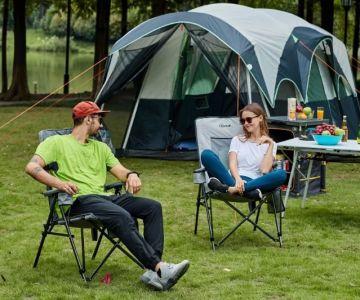
Another key aspect of eco-friendly camping is the gear you choose. Opting for sustainable camping gear made from natural or recyclable materials can help reduce your overall environmental impact. For instance, instead of buying plastic tents and chairs, consider investing in eco-friendly alternatives made from bamboo, recycled fabrics, or sustainable wood.
It’s also essential to choose energy-efficient equipment. Solar-powered chargers, eco-friendly lanterns, and compact stoves that use natural fuel sources are great additions to any eco-conscious camper’s toolkit. I personally invested in a solar-powered lantern, and it’s been a game-changer for me—it’s reliable, reduces waste, and keeps my campsite beautifully lit at night.
4. Experiencing Eco-Friendly Camping Firsthand
I recently had the opportunity to camp at a stunning national park, and it was a perfect opportunity to put these eco-friendly camping practices to the test. The experience was eye-opening, and I saw firsthand how small changes could make a big difference in reducing waste. The park itself was well-maintained, with clearly marked recycling bins and helpful signs about sustainability efforts. It reminded me that the outdoor community is becoming more committed to preserving the environment.
During my trip, I met fellow campers who were just as passionate about reducing waste as I was. We swapped stories about our favorite eco-friendly camping products and shared tips for minimizing our impact on the environment. It was inspiring to see so many like-minded people coming together for a common cause—enjoying nature while protecting it for future generations.
5. Where to Find Sustainable Camping Products
If you’re looking for the best products to make your camping trips more eco-friendly, I recommend checking out The Watermelon Table, which offers a wide selection of sustainable camping gear, from reusable items to energy-efficient equipment. Whether you’re a seasoned camper or just starting out, this website is a great resource for finding high-quality, eco-conscious products that align with your values. With these products, you can enjoy your camping trip with peace of mind, knowing you’re doing your part to protect the environment.


 Forest Ridge Campground4.0 (83 reviews)
 Happy Time RV Park4.0 (27 reviews)
 Fisherman's Group Campground4.0 (9 reviews)
 Jack Creek Recreation Area4.0 (207 reviews)
 Bears Den Rv Park4.0 (27 reviews)
 Lazy River Camping Area4.0 (153 reviews)
 10 Must-Visit Campgrounds in the Midwest for Your Next Outdoor Adventure
 Romantic Camping Spots for Couples: Perfect Getaways in Nature
 Ultimate Guide to Off the Grid Camping in Remote Locations
 How to Cook Over a Campfire Safely for an Enjoyable Outdoor Experience
 Vanlife in Winter: My Personal Experience Living on the Road
 From City to Camp: My Journey to Nature and What I Learned