
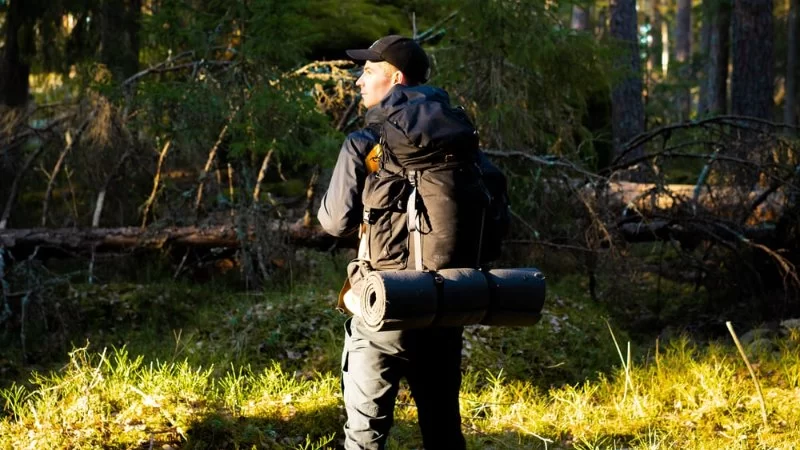
- preparing-your-mindset-for-wilderness-travel
- choosing-the-right-route-and-duration
- gear-strategy-for-multi-day-hiking
- food-water-and-energy-management
- camp-setup-and-daily-rhythm
- safety-decision-making-in-remote-areas
- lessons-learned-from-real-wilderness-trips
Preparing Your Mindset for a Multi-Day Wilderness Trip
The first thing I learned about how to plan a multi-day hiking and camping trip in the wilderness has nothing to do with gear or mileage. It starts with mindset. Wilderness travel is not about conquering distance; it’s about respecting uncertainty. Once you leave cell service behind, small decisions matter more, and flexibility becomes your greatest asset.
I’ve seen well-equipped hikers struggle simply because they planned too rigidly. Weather shifts, trail conditions change, and energy levels fluctuate. Going in with a mindset focused on adaptability sets the tone for the entire trip.
Choosing a Route That Matches Experience and Conditions
1. Distance Is Less Important Than Terrain
Early on, I made the mistake of choosing routes based only on mileage. Ten miles on flat terrain is completely different from ten miles with elevation gain, rocky footing, or river crossings. When planning a multi-day hiking route, I now prioritize terrain difficulty and exit options over total distance.
2. Planning Conservative Daily Mileage
Wilderness trips reward conservative planning. I aim for days that allow time to set up camp before dark, explore surroundings, and recover properly. Pushing too hard early often leads to fatigue later in the trip.
3. Seasonal and Environmental Awareness
Conditions change dramatically by season. Snowmelt, heat, bugs, and daylight hours all influence route choice. Checking recent trail reports and understanding seasonal patterns reduces surprises.
Building a Gear Strategy That Supports Endurance
1. Balancing Weight and Reliability
Lightweight gear is appealing, but durability matters more over multiple days. I’ve learned to prioritize gear that performs consistently even when conditions deteriorate. A slightly heavier shelter or stove is worth it if it works every time.
2. Clothing as a System, Not Individual Items
Layering is essential. Instead of packing many outfits, I bring layers that can adapt to temperature swings and weather changes. Moisture management becomes critical when you can’t easily dry clothes overnight.
3. Testing Gear Before Committing
Every piece of gear should be tested before a wilderness trip. I once discovered a sleeping pad leak on night one of a three-day hike. That experience taught me that testing at home prevents discomfort in the backcountry.
Managing Food, Water, and Energy Over Multiple Days
1. Calorie Density and Simplicity
Multi-day hiking burns more calories than most people expect. I focus on foods that are calorie-dense, easy to prepare, and familiar. Comfort matters when energy dips.
2. Water Planning Along the Route
Knowing where reliable water sources exist shapes the entire itinerary. Carrying too much water adds weight, but carrying too little adds risk. I plan water stops carefully and always carry backup purification options.
3. Listening to Energy Signals
Pushing through exhaustion increases injury risk. I’ve learned to schedule regular breaks and eat before hunger turns into fatigue. Steady energy management keeps decision-making sharp.
Establishing Camp and a Sustainable Daily Rhythm
1. Choosing Campsites Thoughtfully
A good campsite balances shelter, drainage, and proximity to water without causing environmental damage. I avoid low spots and fragile vegetation, even if they look convenient.
2. Creating Evening Routines
Routine reduces mistakes. Setting up shelter, preparing food, and organizing gear in the same order each evening helps conserve mental energy. This becomes especially important after long days.
3. Respecting Darkness and Rest
In the wilderness, darkness sets the schedule. I plan to be settled before sunset, allowing time to rest and recover. Quality sleep improves safety and enjoyment.
Safety and Decision-Making When Help Is Far Away
1. Risk Assessment as an Ongoing Process
Safety isn’t a checklist completed before departure. Conditions change hourly. I continuously reassess weather, physical condition, and group dynamics throughout the trip.
2. Navigation and Redundancy
I carry multiple navigation methods and know how to use them. Technology helps, but maps and basic navigation skills remain essential when batteries fail.
3. Knowing When to Turn Back
The hardest decision is often choosing not to continue. I’ve turned back before due to weather and felt disappointed in the moment, but relieved later. Good planning includes knowing when to stop.
What Experience Taught Me About Wilderness Planning
1. Preparation Builds Confidence, Not Fear
Thorough planning doesn’t remove adventure; it creates space to enjoy it. When logistics are handled, I can focus on the landscape, the silence, and the experience itself.
2. Community Knowledge Improves Planning
Learning from others makes a difference. Platforms like Camping Rural help outdoor travelers understand regional conditions, seasonal challenges, and campground access, making wilderness trips more informed and enjoyable.
Learning how to plan a multi-day hiking and camping trip in the wilderness changed how I approach the outdoors. It’s no longer about packing everything or following rigid plans. It’s about thoughtful preparation, respect for nature, and making decisions that allow both adventure and safety to coexist.
 Pose Lake Campsite - Powwow Trail0.0 (0 reviews)
 Linkous Mobile Home Park3.0 (13 reviews)
 Sunset Village3.0 (46 reviews)
 Rock Oak Estates - Realtor3.0 (81 reviews)
 Upper Coffeepot Campground4.0 (77 reviews)
 Spring Ranch Campground5.0 (15 reviews)
 10 Must-Visit Campgrounds in the Midwest for Your Next Outdoor Adventure
 Romantic Camping Spots for Couples: Perfect Getaways in Nature
 Ultimate Guide to Off the Grid Camping in Remote Locations
 How to Cook Over a Campfire Safely for an Enjoyable Outdoor Experience
 Vanlife in Winter: My Personal Experience Living on the Road
 From City to Camp: My Journey to Nature and What I Learned