
- 1-Understanding-Heatstroke-and-Its-Risks-While-Camping
- 2-Importance-of-Proper-Hydration
- 3-Choosing-Appropriate-Camping-Gear-and-Clothing
- 4-Creating-Shaded-and-Ventilated-Campsites
- 5-Planning-Activities-to-Avoid-Peak-Heat
- 6-Recognizing-Heatstroke-Symptoms-and-Emergency-Response
1. Understanding Heatstroke and Its Risks While Camping
Heatstroke is a serious medical condition caused by the body overheating, often resulting from prolonged exposure to high temperatures and inadequate hydration. When camping, especially during the summer months or in warm climates, the risk of heatstroke increases due to physical exertion, exposure to direct sunlight, and limited access to cooling resources.
Recognizing the dangers of heatstroke is the first step in prevention. Symptoms can escalate quickly and include dizziness, headache, nausea, confusion, rapid heartbeat, and loss of consciousness. Without timely intervention, heatstroke can lead to organ failure or even death.
Many outdoor enthusiasts underestimate the intensity of heat exposure during camping, making education and preparedness vital for safe adventures.
2. Importance of Proper Hydration
Staying well-hydrated is the most critical factor in preventing heatstroke while camping. The body loses fluids rapidly through sweat, especially when engaging in hiking, setting up campsites, or other physical activities.
Experts recommend drinking water consistently throughout the day, even if you don't feel thirsty. Avoid sugary drinks or excessive caffeine, which can dehydrate the body further. Carry enough water for the entire group, and consider portable water purification methods if natural water sources are available.
Personal stories from campers who experienced heat exhaustion highlight how failing to maintain hydration can rapidly turn enjoyable trips into emergencies.
3. Choosing Appropriate Camping Gear and Clothing
Proper clothing and gear play a significant role in managing body temperature during camping trips. Lightweight, breathable fabrics like cotton or moisture-wicking synthetics help keep skin cool and dry.
Wide-brimmed hats, sunglasses, and UV-protective clothing shield against sun exposure. Footwear should be comfortable and ventilated to prevent overheating and blisters.
Additionally, selecting tents with good ventilation and reflective surfaces can reduce internal temperatures, enhancing comfort and safety. Packing cooling towels or portable fans can also provide relief during extreme heat.
4. Creating Shaded and Ventilated Campsites
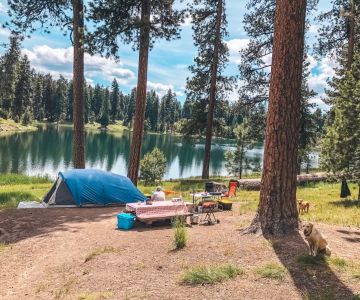
Setting up your campsite in naturally shaded areas under trees or using shade tarps is essential for heatstroke prevention. Proper ventilation within tents or shelters allows heat to escape, maintaining a cooler environment.
Some campers use strategically placed mesh screens or elevated tents to improve airflow. Keeping the campsite clean and minimizing heat-absorbing materials, such as dark tarps on the ground, also contribute to cooler surroundings.
Understanding the terrain and sun patterns helps campers select optimal locations, reducing heat exposure risks.
5. Planning Activities to Avoid Peak Heat
Scheduling outdoor activities during cooler parts of the day, such as early mornings or late afternoons, minimizes heat-related risks. Avoid strenuous hiking or heavy exertion during midday when temperatures peak.
Rest periods in shaded, cool areas should be incorporated, allowing the body to recover. Using heat index forecasts and local weather reports to plan your itinerary enhances safety.
Experienced campers share how adjusting their routines based on heat patterns prevented heat exhaustion and improved enjoyment.
6. Recognizing Heatstroke Symptoms and Emergency Response
Prompt identification of heatstroke symptoms can save lives. Signs such as hot, dry skin, rapid pulse, confusion, dizziness, and fainting require immediate action.
If someone is suspected of heatstroke, move them to a cooler place, remove excess clothing, and apply cool compresses or water. Hydration with water or electrolyte drinks is vital. Call emergency services if symptoms worsen or consciousness is lost.
Training in basic first aid for heatstroke enhances preparedness for all campers and can prevent tragedies.
Final Thoughts: Stay Safe and Enjoy Your Camping Experience
Understanding how to prevent heatstroke while camping is crucial for anyone venturing outdoors, especially during warm seasons. With proper hydration, smart gear choices, strategic campsite setup, and activity planning, you can protect yourself and your group from the dangers of heatstroke.
For reliable camping gear and expert advice tailored to your needs, visit Camping Rural. Equip yourself with the best tools and knowledge to enjoy safe, memorable camping adventures.
 Lil' Village Campground0.0 (0 reviews)
 Back 40 Bluegrass Park4.0 (9 reviews)
 Lake Park RV Resort and Lodge4.0 (328 reviews)
 Back Pew Brew Crew5.0 (3 reviews)
 Lakeside Oaks Mobile Home Park4.0 (7 reviews)
 FINDLEY CAMPGROUND4.0 (12 reviews)
 10 Must-Visit Campgrounds in the Midwest for Your Next Outdoor Adventure
 Romantic Camping Spots for Couples: Perfect Getaways in Nature
 Ultimate Guide to Off the Grid Camping in Remote Locations
 How to Cook Over a Campfire Safely for an Enjoyable Outdoor Experience
 Vanlife in Winter: My Personal Experience Living on the Road
 From City to Camp: My Journey to Nature and What I Learned