
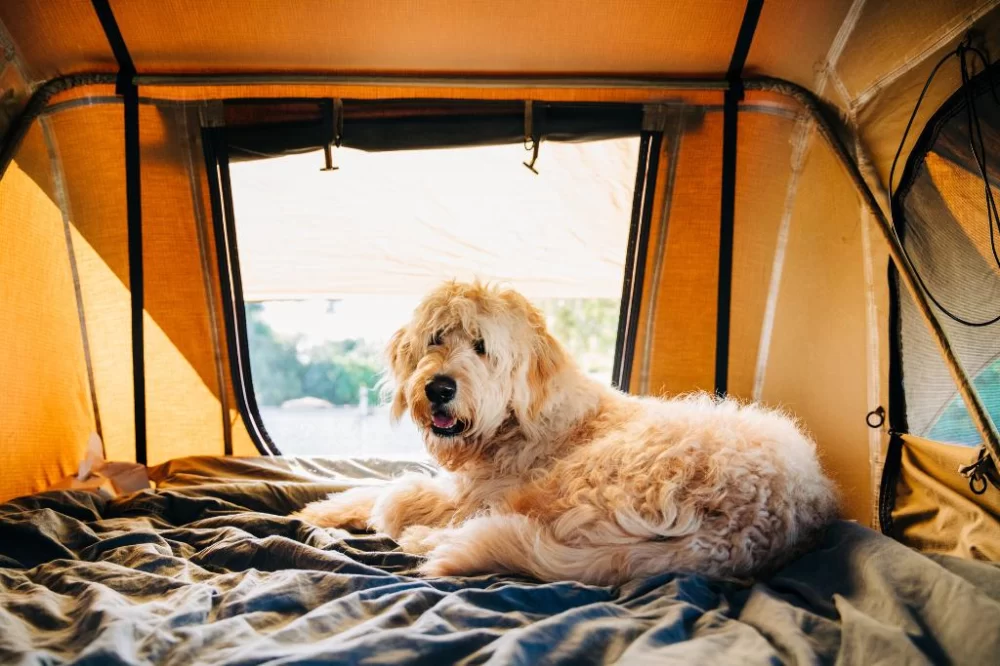
- Importance of Safe Food Storage While Camping
- Methods for Storing Food Safely in the Outdoors
- Real-Life Examples and Practical Tips for Food Storage
- Choosing the Right Equipment for Safe Camping Food Storage
1. Importance of Safe Food Storage While Camping
Knowing how to store food safely while camping is essential for both health and enjoyment during your outdoor adventures. Improper food storage can lead to food spoilage, causing illness or attracting unwanted wildlife to your campsite. Understanding the principles behind safe food storage helps preserve freshness, prevents contamination, and ensures a pleasant camping experience.
One of the biggest risks during camping is the growth of bacteria in perishable foods, which can multiply rapidly when temperatures are not properly controlled. Additionally, many campsites are located in areas frequented by animals such as bears, raccoons, or rodents that are attracted to the smell of food. Safe storage protects both campers and wildlife by minimizing encounters and hazards.
Beyond safety, proper food storage enhances convenience and reduces waste, letting you enjoy your meals without stress. With a little planning and knowledge, you can keep your food secure and fresh throughout your trip.
2. Methods for Storing Food Safely in the Outdoors
Several effective methods exist for how to store food safely while camping, ranging from traditional techniques to modern innovations. One classic approach is the use of bear-proof containers or lockers, designed to prevent wildlife from accessing your supplies. These containers are highly recommended for campsites in bear country and provide peace of mind for campers.
Another widely used method is the “hanging bag” technique, where food is placed in a durable bag and suspended from a tree branch away from the ground and your tent. This method relies on proper height and distance to deter animals, but it requires knowledge of local wildlife behavior and sturdy gear to be effective.
For shorter trips or less wildlife-prone areas, coolers with ice packs remain a staple for preserving perishables. Advanced coolers with enhanced insulation or even electric portable fridges are becoming increasingly popular for extended camping. Using airtight containers and vacuum-sealed bags further protects food from moisture and contamination.
In all cases, separating raw and cooked foods, cleaning storage containers regularly, and minimizing food odors by sealing packaging tightly are important details to maintain food safety and hygiene.
3. Real-Life Examples and Practical Tips for Food Storage
A memorable story from a camping group in the Rocky Mountains illustrates the value of good food storage. They experienced an overnight visit from a curious raccoon who tried to raid their camp. Fortunately, by storing all food in a bear-proof container and keeping the campsite clean of scraps, the raccoon was deterred without any damage. This experience emphasized how proper preparation can prevent wildlife conflicts.
Practical tips for campers include always planning meals with storage needs in mind and avoiding highly perishable foods when refrigeration is limited. Organizing your food by meal and packaging it in labeled containers reduces waste and makes cooking simpler on the trail. Also, keeping your cooking and eating areas separate from your sleeping area helps minimize food odors in your tent.
It’s also wise to check local regulations about food storage, as many parks enforce specific rules to protect wildlife and visitors. Adapting your storage approach according to location, weather, and length of stay ensures optimal safety and convenience.
4. Choosing the Right Equipment for Safe Camping Food Storage
Equipping yourself with the right tools is crucial when learning how to store food safely while camping. Investing in durable, easy-to-clean containers, insulated coolers, and portable bear-proof storage solutions pays off in reliability and convenience.
If you’re looking for expert advice and high-quality products tailored for food storage in outdoor settings, Camping Rural is an excellent resource. Their selection ranges from compact storage bags to heavy-duty coolers, all designed to meet the demands of camping food safety.
Ultimately, combining the right gear with informed practices empowers you to enjoy fresh meals and worry-free nights under the stars. Safe food storage is a fundamental part of a successful camping adventure, blending health, safety, and comfort in the great outdoors.
 El Cajon Valley Mobile Home Park4.0 (96 reviews)
 Sunshine Park Estates Inc3.0 (38 reviews)
 Cold Springs Campground4.0 (156 reviews)
 Jonesboro3.0 (36 reviews)
 Archway Campground3.0 (56 reviews)
 Wildwood Mobile Home Park4.0 (34 reviews)
 10 Must-Visit Campgrounds in the Midwest for Your Next Outdoor Adventure
 Romantic Camping Spots for Couples: Perfect Getaways in Nature
 Ultimate Guide to Off the Grid Camping in Remote Locations
 How to Cook Over a Campfire Safely for an Enjoyable Outdoor Experience
 Vanlife in Winter: My Personal Experience Living on the Road
 From City to Camp: My Journey to Nature and What I Learned