
- 1 - #understanding-your-rv-refrigerator-system - Understanding Your RV Refrigerator System
- 2 - #common-signs-of-malfunction - Common Signs of Malfunction
- 3 - #step-by-step-troubleshooting-guide - Step-by-Step Troubleshooting Guide
- 4 - #real-road-scenarios-and-solutions - Real Road Scenarios and Solutions
- 5 - #maintenance-tips-for-longer-lifespan - Maintenance Tips for a Longer Lifespan
- 6 - #when-to-seek-professional-help - When to Seek Professional Help
- 7 - #prepare-before-your-next-trip - Prepare Before Your Next Trip
1. Understanding Your RV Refrigerator System
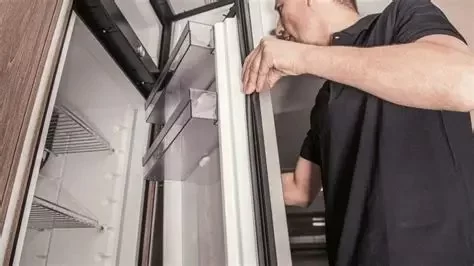
Unlike your home appliance, an RV refrigerator is designed to run on multiple power sources — typically 120V AC, 12V DC, or propane gas. These absorption-style fridges cool by heating ammonia-based refrigerant rather than compressing it like standard fridges. Because of this unique system, when your RV refrigerator malfunctions, the causes can range from simple airflow problems to deeper electrical or gas issues.
1.1 The Dual Power Mystery
Many new RV owners are surprised to learn that switching from electric to propane isn’t automatic in all models. If your RV refrigerator isn’t cooling when unplugged, it could simply be because the auto-switching feature is disabled or malfunctioning. Understanding how your specific make — such as Norcold or Dometic — transitions between power modes is key before assuming a bigger problem exists.
1.2 The Role of Leveling
RV refrigerators rely on gravity for proper refrigerant circulation. Parking on an incline greater than a few degrees can interrupt cooling flow and damage the cooling unit permanently. Always ensure your RV is level before turning the fridge on for long periods.
2. Common Signs of Malfunction
A malfunctioning RV refrigerator often gives warnings before failing completely. Recognizing early symptoms helps prevent spoiled food and costly repairs down the road.
2.1 Uneven or Inconsistent Cooling
One shelf freezing while another stays warm usually points to airflow obstruction or frost buildup around the fins. Check vents and ensure your fridge isn’t overpacked — these units depend on circulation, not fans, to distribute cold.
2.2 Unusual Odors or Yellow Residue
A sharp ammonia smell or yellow powder near the vents indicates a leaking cooling unit — the heart of the system. This requires immediate attention, as the refrigerant is both hazardous and non-repairable by DIY means.
2.3 The Silent Refrigerator
If you hear no burner click or see no pilot light, the problem may lie in the ignition system or propane flow. Electrical silence — no hum, no indicator lights — may suggest a blown fuse, tripped breaker, or control board failure.
3. Step-by-Step Troubleshooting Guide
Knowing how to troubleshoot a malfunctioning RV refrigerator can save you hours on the road and hundreds in service fees. Here’s how to tackle the most common issues safely.
3.1 Step 1: Check Power Sources
Ensure your RV is properly connected to shore power or that your battery isn’t drained. If running on propane, confirm the valve is open and that you have adequate fuel. Switch between modes to isolate the power problem.
3.2 Step 2: Inspect the Control Panel
Modern RV fridges display error codes that can pinpoint issues like faulty thermistors, failed igniters, or blocked flues. Refer to your manual — each brand has unique diagnostic codes.
3.3 Step 3: Clean the Burner and Flue
Dust, soot, and spider webs commonly clog the propane burner area, especially if the RV has been in storage. Carefully clean these components to restore proper flame and heat transfer. A small wire brush works wonders here.
3.4 Step 4: Test Temperature Sensors
Faulty thermistors can trick your control board into thinking the fridge is cold when it isn’t. These small clips on the cooling fins can be replaced cheaply and often solve erratic temperature readings.
3.5 Step 5: Check the Cooling Fans
Some RV refrigerators have small fans behind the vents that improve circulation. If these stop working, especially in hot climates, your fridge may overheat. Listen for fan noise — or lack thereof — when troubleshooting.
4. Real Road Scenarios and Solutions
To show that these fixes work in real life, here are some stories from RV owners who faced fridge failure mid-trip.
4.1 The Arizona Desert Breakdown
Jack and Marie’s Norcold refrigerator stopped cooling halfway through their desert trip. They panicked — until they realized they had parked slightly uphill for shade. After re-leveling and giving the system four hours to rebalance, it kicked back to normal. The simplest fix can sometimes feel like a miracle.
4.2 The Propane Surprise
During a mountain camping weekend, Tom found that his fridge worked perfectly on shore power but refused to ignite on gas. After cleaning the burner assembly with compressed air, the blue flame reappeared — and so did his breakfast eggs. A tiny bit of dust had caused hours of frustration.
4.3 The Control Board Mystery
Lisa’s RV fridge would start cooling and then shut off randomly. A local technician discovered a corroded connection at the control board caused intermittent power loss. Once cleaned, the unit ran perfectly. Sometimes, electrical gremlins hide in plain sight.
5. Maintenance Tips for a Longer Lifespan
Preventing breakdowns is far easier than fixing them. Following a simple maintenance schedule keeps your RV refrigerator reliable, no matter the season.
5.1 Seasonal Startup Routine
Before your first trip of the year, check for leaks, clear vent paths, and confirm that your fridge switches between power modes correctly. Allow the refrigerator to pre-cool for 12 hours before loading food.
5.2 Defrost Regularly
Even absorption fridges accumulate frost. Ice buildup restricts air movement and efficiency. Defrost monthly — or sooner if you see heavy frost around the fins.
5.3 Annual Cleaning
Every spring, remove the exterior vent cover and gently vacuum dust from the coils. Inspect wiring for cracks or rodent damage, especially if your RV sits unused for months.
6. When to Seek Professional Help
If you smell ammonia, see oily residue, or suspect a refrigerant leak, it’s time to stop troubleshooting and call a certified RV technician. Cooling units are sealed and replacing one involves handling hazardous chemicals — not a DIY task.
Electrical control board replacement, thermistor calibration, and full gas pressure checks should also be left to professionals. These repairs may void warranty coverage if done improperly.
7. Prepare Before Your Next Trip
Before setting off, give your fridge a trial run at home using each power source. This quick check can save your road meals — and your mood — from mid-trip meltdowns. For more maintenance tools, repair kits, and expert-approved parts, visit Camping Rural to find everything you need to keep your RV refrigerator running cool and reliable on every adventure.





 Greenwood Lodge & Campsites4.0 (168 reviews)
 Yellowstone Holiday RV Campground4.0 (330 reviews)
 St. Petersburg / Madeira Beach KOA Holiday4.0 (1675 reviews)
 Diamond K Estates4.0 (115 reviews)
 Sandals & Spurs Resorts4.0 (184 reviews)
 Misty Meadows RV Park4.0 (17 reviews)
 10 Must-Visit Campgrounds in the Midwest for Your Next Outdoor Adventure
 Romantic Camping Spots for Couples: Perfect Getaways in Nature
 Ultimate Guide to Off the Grid Camping in Remote Locations
 How to Cook Over a Campfire Safely for an Enjoyable Outdoor Experience
 Vanlife in Winter: My Personal Experience Living on the Road
 From City to Camp: My Journey to Nature and What I Learned