
- 1 - #importance-of-tpms-for-rv-travel - The Importance of TPMS for RV Travel
- 2 - #how-rv-tire-pressure-monitoring-systems-work - How RV Tire Pressure Monitoring Systems Work
- 3 - #benefits-of-using-tpms-on-the-road - Benefits of Using TPMS on the Road
- 4 - #real-world-cases-of-tpms-saving-trips - Real-World Cases of TPMS Saving Trips
- 5 - #choosing-the-right-tpms-for-your-rv - Choosing the Right TPMS for Your RV
- 6 - #tips-for-maintaining-your-tpms - Tips for Maintaining Your TPMS
1. The Importance of TPMS for RV Travel
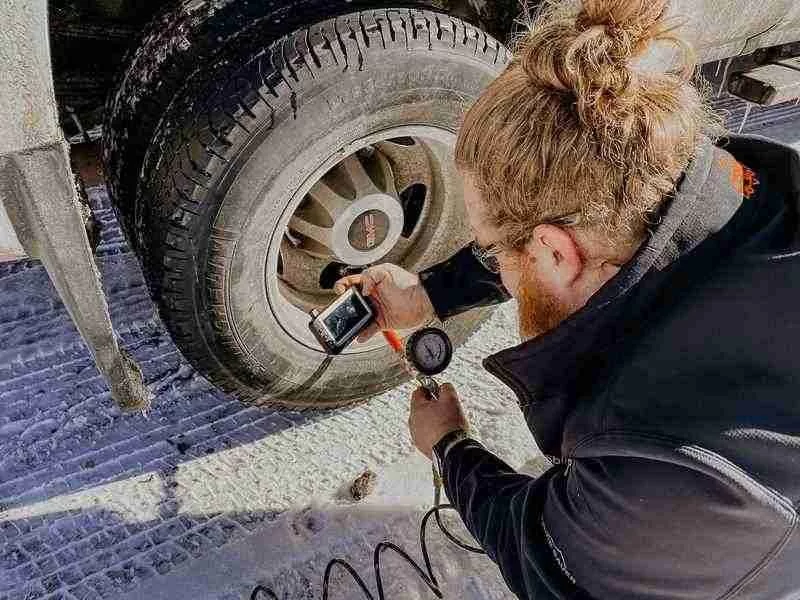
When it comes to RV travel, safety should always be a top priority. One of the most overlooked yet critical components of RV maintenance is tire health. A tire blowout on a large vehicle can be both dangerous and costly. That’s why investing in an RV Tire Pressure Monitoring System (TPMS) is essential for ensuring safe and worry-free travels. These systems monitor real-time tire pressure and temperature, alerting you before small issues become big problems.
According to the National Highway Traffic Safety Administration (NHTSA), underinflated tires contribute to thousands of road accidents annually. For RV owners, this risk is even greater due to the vehicle's size and weight. With a TPMS installed, you can monitor every tire from your dashboard, helping you prevent accidents and extend tire life.
2. How RV Tire Pressure Monitoring Systems Work
An RV TPMS operates through sensors attached to each tire. These sensors transmit real-time data to a central monitor inside the RV. The system alerts the driver when tire pressure drops below or rises above a safe range. More advanced systems also monitor tire temperature, which can signal potential blowouts before they happen.
There are two primary types of TPMS available for RVs:
- Direct TPMS: Uses individual tire sensors to transmit precise data. This system provides accurate readings but may require occasional sensor maintenance.
- Indirect TPMS: Uses the vehicle’s ABS sensors to estimate tire pressure. It’s easier to maintain but less precise compared to direct systems.
Most modern RVs use wireless TPMS, which are easy to install and compatible with both small and large rigs. The system is typically powered by batteries, and some models include solar-powered displays for convenience during long trips.
3. Benefits of Using TPMS on the Road
Installing an RV tire pressure monitoring system offers a range of benefits beyond just preventing blowouts. Some of the main advantages include:
- Improved Safety: TPMS alerts you to sudden pressure loss, giving you time to react before a dangerous situation occurs.
- Better Fuel Efficiency: Properly inflated tires reduce rolling resistance, improving fuel economy—a major concern for RV travelers covering long distances.
- Extended Tire Life: Maintaining correct pressure prevents uneven wear, helping you save money on costly replacements.
- Peace of Mind: With real-time updates, you can travel confidently knowing that your tires are in optimal condition.
For frequent travelers or full-time RVers, these systems are invaluable. They turn tire maintenance into a proactive process, allowing drivers to focus on the road and enjoy their journey.
4. Real-World Cases of TPMS Saving Trips
Many RV owners share stories of how their tire pressure monitoring system prevented disasters. One traveler, for example, noticed an alert about dropping pressure in a rear tire while driving through Arizona’s desert. Upon pulling over, he discovered a sharp nail embedded in the tire. Without the TPMS warning, the tire could have blown out in the middle of a remote highway—turning a minor repair into a major emergency.
Another case involved a family driving through the Rockies. Their TPMS detected a dangerous rise in temperature in one of the tires caused by excessive braking on steep slopes. By pulling over early, they avoided a potential tire fire. These stories demonstrate how crucial these systems are for RV safety.
5. Choosing the Right TPMS for Your RV
When selecting a TPMS, several factors should be considered to ensure you get the most reliable system for your RV:
- Number of Tires Supported: Larger RVs require more sensors. Make sure the system can handle your vehicle’s setup.
- Ease of Installation: Look for wireless or solar-powered units that can be easily installed without professional help.
- Display and Alerts: The display should be clear and easy to read, with customizable alerts for pressure and temperature.
- Battery Life: Long-lasting sensors and rechargeable monitors are preferable for extended travel.
- Durability: Since RVs travel through diverse climates, choose a TPMS that is weather-resistant and tested for long-term reliability.
Some of the most popular TPMS brands among RV enthusiasts include TireMinder, EEZTire, and TST. These brands are known for their accuracy, reliability, and user-friendly designs. If you’re unsure where to start, you can find expert reviews and trusted product recommendations on Camping Rural.
6. Tips for Maintaining Your TPMS
Just like any other piece of technology, a tire pressure monitoring system requires periodic maintenance to ensure accurate readings:
- Check Sensor Batteries: Replace or recharge the sensor batteries regularly to avoid signal loss during trips.
- Clean the Sensors: Dirt, dust, or moisture can affect the sensors’ accuracy. Wipe them gently during tire inspections.
- Perform Regular Calibrations: Some systems may require recalibration after tire rotation or replacement.
- Test Before Each Trip: Always test your TPMS before heading out to ensure all sensors are transmitting properly.
By maintaining your system, you not only ensure reliable data but also enhance your overall safety on the road. A well-functioning TPMS can make the difference between a relaxing trip and a roadside emergency.
RV travel is all about freedom and adventure—but safety should never take a back seat. With a reliable RV tire pressure monitoring system, you can protect yourself, your passengers, and your investment. Visit Camping Rural for the latest RV safety gear and expert advice to keep your journeys safe and enjoyable.






 White Oak Creek Marina & Campground4.0 (82 reviews)
 Walnut Ridge Cabin3.0 (5 reviews)
 Cynefin at Folklore Forest4.0 (3 reviews)
 Pleasant View Mobile Home Park3.0 (102 reviews)
 California Hawaiian Mobile Est4.0 (76 reviews)
 Chalet Village3.0 (85 reviews)
 10 Must-Visit Campgrounds in the Midwest for Your Next Outdoor Adventure
 Romantic Camping Spots for Couples: Perfect Getaways in Nature
 Ultimate Guide to Off the Grid Camping in Remote Locations
 How to Cook Over a Campfire Safely for an Enjoyable Outdoor Experience
 Vanlife in Winter: My Personal Experience Living on the Road
 From City to Camp: My Journey to Nature and What I Learned