
- Understanding-RV-camping-vs-tent-camping
- Comfort-and-convenience-comparison
- Cost-considerations-and-budgeting
- Connection-with-nature-and-experience
- Flexibility-and-accessibility
- Maintenance-and-setup-challenges
- Real-life-stories-and-case-studies
- Choosing-your-ideal-camping-style
1. Understanding RV camping vs tent camping
1.1 Definitions and basic differences
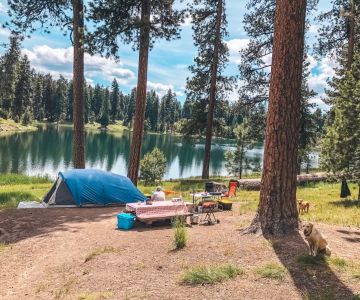
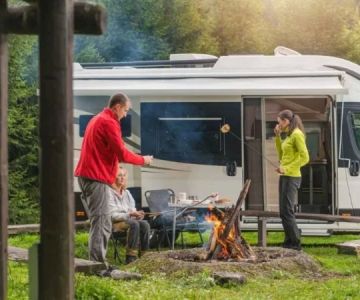
RV camping involves travelling and lodging in a recreational vehicle—ranging from camper vans to large motorhomes—while tent camping relies on a temporary shelter pitched on the ground. When comparing RV camping vs tent camping pros and cons, start by recognizing that RVs bring many home comforts on wheels, whereas tent camping offers a stripped-down, back-to-nature experience. Understanding these core distinctions sets the stage for deeper exploration of comfort, cost, and adventure potential.
1.2 Why choice matters
Choosing between RV camping and tent camping can shape everything from trip planning and packing to campsite selection and budget. For families with small children, an RV may provide more security and amenities, while solo backpackers or minimalist travelers often prefer the portability and intimacy of a tent. By weighing RV camping vs tent camping pros and cons, you tailor your outdoor experience to personal priorities.
2. Comfort and convenience comparison
2.1 Living quarters and sleeping arrangements
One of the biggest RV camping vs tent camping pros and cons revolved around sleeping comfort. RVs typically include proper mattresses, climate control, and protected interiors—shielding you from wind, rain, and insects. In contrast, tent campers rely on sleeping pads and seasonal gear; while modern tents can be surprisingly cozy, they still expose you to ambient noise, temperature swings, and ground moisture.
2.2 On-site amenities
RVs often feature kitchens, onboard bathrooms, and entertainment systems—transforming campgrounds into mobile homes. This convenience allows for cooking elaborate meals, enjoying digital media, and maintaining personal hygiene without communal facilities. Tent camping, however, often requires shared restrooms and cookstoves, fostering camaraderie but demanding more planning and gear management.
3. Cost considerations and budgeting
3.1 Upfront and ongoing expenses
Evaluating RV camping vs tent camping pros and cons starts with financial impact. RV ownership or rental entails significant upfront costs—vehicle purchase, insurance, maintenance, and campground fees higher for full hook-up sites. Conversely, tent camping gear is more affordable initially, with lower campsite fees for primitive or tent-only sites. Over time, tent camping can be far more budget-friendly.
3.2 Fuel, maintenance, and hidden costs
RVs consume more fuel and require mechanical upkeep—tires, engine service, and winterization—adding to the total cost of travel. Tent campers face minimal vehicle impact and fewer gear replacements. Yet, investing in high-quality tents, sleeping bags, and backpacks ensures longevity; cheap gear may need frequent replacement, eroding savings.
4. Connection with nature and experience
4.1 Immersion in the outdoors
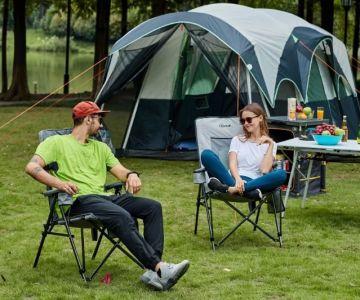
A key RV camping vs tent camping pros and cons angle is how each fosters connection to the environment. Tents place you directly in nature—hearing tree frogs, feeling earth under your feet, and waking to sunrise through mesh walls. This immersion often enhances mindfulness and a sense of escape from daily routines.
4.2 Barrier perception and wildlife encounters
RV campers may feel insulated from the elements, which can reduce anxiety about weather and wildlife. However, the physical barrier of metal walls may distance you from subtle outdoor experiences. Tent campers trade that protection for vulnerability—attracting memories of morning dew on canvas and tent-side wildlife glimpses that etch stories for a lifetime.
5. Flexibility and accessibility
5.1 Route planning and campsite selection
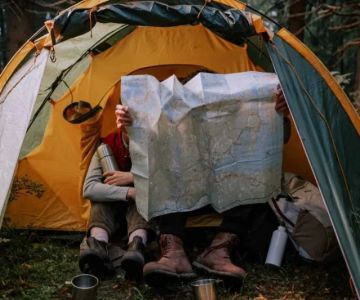
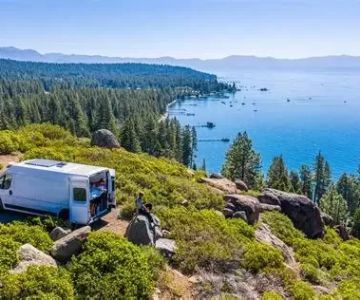
When comparing RV camping vs tent camping pros and cons, flexibility emerges as a major factor. Tents pack easily into most vehicles and can be set up in remote backcountry sites unreachable by RV. In contrast, RVs require driveable roads and designated campgrounds with utility hookups, narrowing your destination choices but simplifying trip logistics.
5.2 Group size and social dynamics
RV camping accommodates larger groups comfortably, with multiple sleeping areas and common spaces. It’s ideal for family reunions or group trips. Tent camping promotes intimate bonding around campfires but can strain privacy when more than two people share a small tent.
6. Maintenance and setup challenges
6.1 RV upkeep
Owning or renting an RV brings mechanical responsibilities—engine checks, propane refills, and sewer hose management. A minor mechanical failure on the road can derail your trip, highlighting a drawback in RV camping vs tent camping pros and cons.
6.2 Tent pitching and gear care
Pitching a tent on uneven ground, securing rainflies, and packing damp gear require practice and patience. Tents also demand regular inspections for tears and zipper maintenance. However, these manual tasks build outdoor skills and camaraderie among campers.
7. Real-life stories and case studies
7.1 Family’s first RV adventure
The Martinez family rented a 25-foot motorhome for a week in Yellowstone. While thrilled by onboard comforts during sudden rainstorms, they found the RV’s size challenging on narrow park roads. Their experience underscores both RV camping vs tent camping pros and cons—comfort versus maneuverability.
7.2 Solo backpacker’s tent journey
Hannah, a solo hiker, spent two weeks in a lightweight tent across the Pacific Crest Trail. She cherished the minimal footprint and wilderness solitude but missed the ability to cook fresh meals beyond freeze-dried packs—a classic tent-camping trade-off.
8. Choosing your ideal camping style
Deciding between RV camping vs tent camping pros and cons ultimately hinges on personal priorities: comfort versus immersion, budget constraints, and desired adventure level. If you value home-like amenities and travel ease—especially with family—RV camping may be the perfect fit. If you crave raw, budget-friendly exploration and deeper connections with nature, tent camping delivers unparalleled authenticity.
For gear, site recommendations, and expert advice on maximizing either style, explore Camping Rural. Their curated equipment lists, campground guides, and community forums help you plan confidently, regardless of whether you drive in an RV or pitch a tent under the stars.

 Morrison Creek Campground4.0 (18 reviews)
 Garden Springs3.0 (13 reviews)
 Kountry Squire Manufactured Home Community4.0 (27 reviews)
 Sherwood Forest Cabin4.0 (2 reviews)
 Applegate Lake4.0 (33 reviews)
 Swauk Campground4.0 (18 reviews)
 10 Must-Visit Campgrounds in the Midwest for Your Next Outdoor Adventure
 Romantic Camping Spots for Couples: Perfect Getaways in Nature
 Ultimate Guide to Off the Grid Camping in Remote Locations
 How to Cook Over a Campfire Safely for an Enjoyable Outdoor Experience
 Vanlife in Winter: My Personal Experience Living on the Road
 From City to Camp: My Journey to Nature and What I Learned