
- fit‑importance‑US‑trails
- features‑explained‑comfort‑traction
- choosing‑for‑terrain‑and‑season
- brand‑stories‑real‑trails
- testing‑and‑break‑in
- end‑recommendation‑buying
1. Why Fit Matters More Than You Think on US Trails
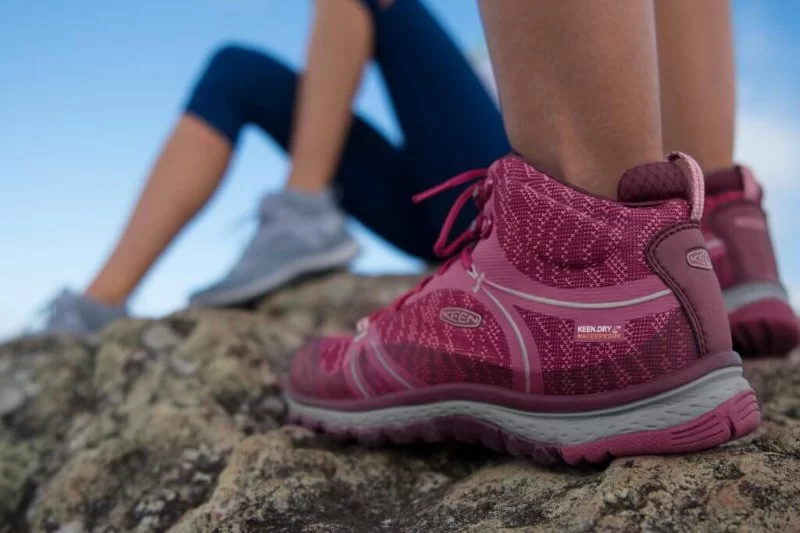
Finding the right fit is the foundation of the Complete Guide to Hiking Boots: Fit, Features, and Choosing the Perfect Pair for US Trails. A poorly fitting boot can turn a scenic hike on the Appalachian Trail or Pacific Crest Trail into a blister-filled nightmare. Fit affects comfort, injury prevention, and endurance. An ideal hiking boot should support the arch, secure the heel without slipping, and leave enough room in the toe box for swollen feet during long climbs. In this guide, we emphasize how proper fit reduces risk of ankle sprains, hot spots, or nerve pressure, and greatly enhances long-distance hiking performance.
2. Essential Hiking Boot Features for Comfort and Traction
The next section of this Complete Guide to Hiking Boots: Fit, Features, and Choosing the Perfect Pair for US Trails delves into critical features:
- Midsole Cushioning: EVA vs polyurethane—choosing between lightweight padding and durability.
- Waterproof Membranes: Gore‑Tex or breathable waterproof liners that keep moisture out while letting sweat escape.
- Outsole Patterns: Vibram soles or lug geometries tailored for rocky, muddy, or mixed terrain found in US national parks.
- Ankle Support Height: Low‑cut for fastpackers, mid‑height for general hiking, and high‑cut for rugged backcountry with heavy loads.
Case story: a backpacker on the Grand Canyon discovered that switching to boots with aggressive lug traction dramatically improved grip on slick sandstone slopes, avoiding slips and discomfort.
3. How to Choose Based on Terrain and Season
Choosing the right hiking boot features begins with understanding US trail conditions. Rocky Cascades demand stiff soles and rigid shanks; humid Southeastern trails benefit from breathable waterproofing to tackle sudden showers; and snow‑season hikes in Colorado require insulation and deep tread. This Complete Guide to Hiking Boots: Fit, Features, and Choosing the Perfect Pair for US Trails advises matching terrain demands with boot specs:
- High‑mountain treks: Choose rigid, waterproof boots with high collars for support over uneven granite.
- Desert hikes: Lightweight, ventilated boots with dust‑resistant mesh and cushioned midsoles.
- Wet forests and muddy trails: Aggressive lugs, waterproof build, easy‑drying linings to prevent soggy fatigue.
A story from the Appalachian Trail: a weekend thru‑hiker swapped heavy leather boots for mid‑cut synthetic waterproof boots and found the reduced weight and improved drainage made a difference in hot, wet conditions.
4. Real Backpacker Stories: Brands That Delivered on the Trail
Including personal experience brings trust into the Complete Guide to Hiking Boots: Fit, Features, and Choosing the Perfect Pair for US Trails. One hiker described buying a pair of brand X boots after reading reviews, only to find premature sole wear. Switching to brand Y with reinforced stitching and Vibram sole extended the lifespan and prevented injuries. Another user on the Pacific Crest Trail noted that brand Z’s breathable waterproof membrane reduced foot sweating and blisters after two weeks of desert heat. These stories highlight why choosing wisely matters—not just specs, but real-world durability and comfort.
5. How to Test and Break In Your Boots Before Your First US Trail
To avoid blisters and soreness, the Complete Guide to Hiking Boots: Fit, Features, and Choosing the Perfect Pair for US Trails emphasizes testing strategies:
- Walk your boots indoors on carpet for a week to spot hot spots.
- Wear them on local short hikes with a pack loaded to your estimated weight.
- If stiffness causes discomfort, try alternate lacing techniques like heel lock or toe relief lacing.
- Use moisture‑wicking socks and glove‑like liners to avoid friction.
A testimony: a ranger in Yosemite recounted helping hikers who had skipped break‑in and ended up with plantar fascia pain by day‑three, underscoring why gradual wear is non‑negotiable.
6. Final Tips: Where to Buy and How to Decide
After understanding fit, features, terrain, and testing, the Complete Guide to Hiking Boots: Fit, Features, and Choosing the Perfect Pair for US Trails leads you to purchasing. Shop at trusted outdoor retailers or directly through expert outlets. Comparing warranty policies, return periods, and customer service responsiveness matters as much as specs. To explore top-rated models and get personalized advice, visit Camping Rural where expert-fit recommendations and trail‑tested reviews help you choose the best hiking boots for US trails. Checking user reviews about durability, waterproof performance, and long-term comfort gives confidence in your investment.


 La Pacifica RV Park4.0 (165 reviews)
 The Resort RV Park4.0 (254 reviews)
 Choestoe Valley RV Park4.0 (31 reviews)
 Chimney Creek Campground4.0 (13 reviews)
 Apollo MHC3.0 (67 reviews)
 Fair Harbor RV Park & Campground4.0 (849 reviews)
 10 Must-Visit Campgrounds in the Midwest for Your Next Outdoor Adventure
 Romantic Camping Spots for Couples: Perfect Getaways in Nature
 Ultimate Guide to Off the Grid Camping in Remote Locations
 How to Cook Over a Campfire Safely for an Enjoyable Outdoor Experience
 Vanlife in Winter: My Personal Experience Living on the Road
 From City to Camp: My Journey to Nature and What I Learned