
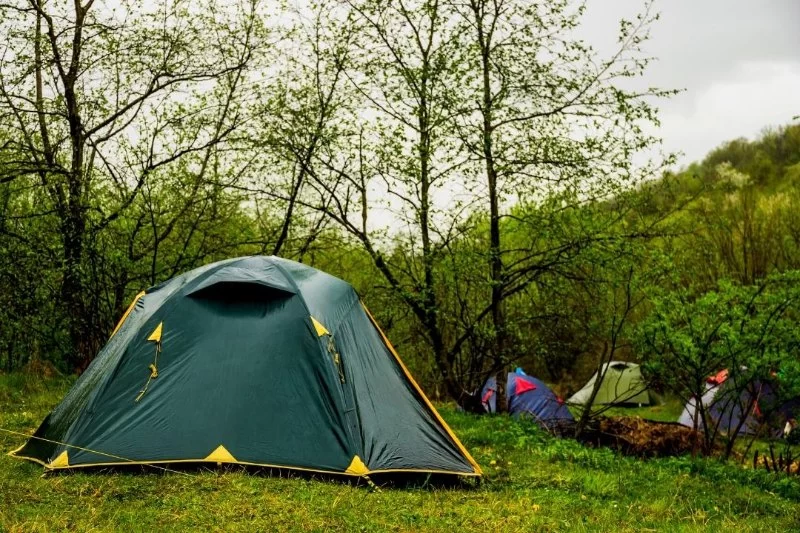
Tips for Dealing with Rain Inside Your Tent: Prevention and Solutions
Camping in nature is a refreshing experience, but it comes with its own set of challenges, especially when it rains. One of the most common issues campers face is water leakage or moisture inside the tent. Whether you're a seasoned camper or a beginner, knowing how to deal with rain inside your tent is crucial for staying comfortable and dry. In this article, we’ll cover key tips and solutions for preventing rain from getting inside your tent and ensuring you stay dry during your outdoor adventure.
1. Why Does Rain Get Inside Your Tent?
Before we dive into solutions, it’s important to understand why rain can get inside your tent in the first place. There are a few common reasons:
- Poor tent setup: If the tent isn’t set up properly, water may accumulate at the base or sides, leading to leaks.
- Waterproofing issues: Even the best tents need proper waterproofing treatments. Over time, the waterproof coating on your tent’s fabric can wear off, making it vulnerable to rain.
- Improper ground cover: Without a proper groundsheet or tarp, water can seep into the tent from the ground.
Now that you understand why rain can make its way inside your tent, let’s take a look at how to prevent it and handle it effectively.
2. Choosing the Right Tent for Rainy Conditions
When camping in areas prone to rain, selecting the right tent is the first step to ensuring you stay dry. Look for tents that are specifically designed for wet conditions. These tents typically feature:
- Waterproof or water-resistant materials: Choose a tent made from materials that are treated to repel water, such as polyurethane-coated nylon.
- Sealed seams: Check for tents with fully taped seams to prevent rain from seeping through stitching.
- Double-wall tents: These tents offer an additional layer of protection against rain by separating the inner tent from the outer rainfly.
Investing in a high-quality, rain-ready tent can significantly reduce the chances of water leaking inside.
3. Proper Tent Setup: Key to Staying Dry
Even the best tent can suffer from leaks if it's not set up properly. Follow these tips to ensure your tent remains dry during rainy conditions:
- Pick a high, dry spot: Avoid setting up your tent in low-lying areas where water can pool. Choose a slightly elevated spot to allow water to drain away from your tent.
- Pitch your tent with a proper slope: Ensure the rainfly is pitched with a slight slope, so water doesn’t accumulate on top and drip inside.
- Secure the rainfly properly: The rainfly should be taut and cover the tent entirely. Make sure it extends far enough to keep rainwater from running down the walls of the tent.
Setting up your tent correctly from the start can make a huge difference when it comes to keeping rain out.
4. Waterproofing Your Tent
Even if your tent is water-resistant, it’s essential to reapply waterproofing treatments periodically to maintain its protection. Here’s how you can keep your tent in top shape:
- Use a waterproofing spray: Apply a high-quality waterproofing spray to the tent’s fabric and seams to restore its water-repellent capabilities.
- Check the rainfly: Make sure the rainfly is in good condition. Over time, it may lose its waterproof coating and need reapplication.
- Seal seams: Use seam sealer to patch any weak or unsealed seams on the tent, particularly along the edges where rain can seep through.
Regular maintenance of your tent’s waterproofing will keep it performing well in rainy weather.
5. Use a Groundsheet or Tarp for Extra Protection
Even with a well-designed tent, water can sometimes seep in from the ground. To prevent this, use a groundsheet or tarp beneath your tent. This adds an extra layer of protection and ensures that moisture from the ground doesn’t get inside your sleeping area. Make sure the tarp is slightly smaller than the footprint of the tent, so rainwater doesn’t accumulate under the tarp and flow into the tent.
6. Keep the Tent Ventilated to Prevent Condensation
When camping in rainy conditions, condensation can also cause moisture to build up inside your tent, even if it’s not leaking. To reduce condensation:
- Open ventilation windows: Most tents have vents or windows that can be opened to allow air to circulate. Even in the rain, try to keep the vents open to promote airflow and reduce condensation.
- Avoid cooking inside: Cooking inside your tent can increase humidity, leading to more condensation. Instead, prepare meals outside or in a sheltered area.
Proper ventilation helps maintain a comfortable, dry environment inside your tent, even during wet weather.
7. What to Do If Your Tent Gets Wet
Despite all precautions, sometimes rain can still make its way inside your tent. Here are some quick solutions to help you manage a wet situation:
- Use a towel or absorbent cloth: Wipe down any wet areas as soon as possible to prevent moisture buildup and mildew.
- Move valuables to dry spots: If your sleeping area gets wet, move your belongings to a drier section of the tent or use a plastic bag to protect them.
- Use a rain cover: If the rain continues, use a rain cover or emergency shelter to protect your tent from further water exposure.
By acting quickly, you can prevent water from soaking your gear and ensure that your camping experience remains enjoyable despite the rain.
For the best camping gear, tips, and solutions, check out Camping Rural for the most suitable products for your next rainy adventure!

 Great Escapes RV Resorts Chesnut Bay4.0 (71 reviews)
 The Palms Mobile Home Park3.0 (36 reviews)
 Ravinia Anchor Bay3.0 (81 reviews)
 Clearwater Lake Recreation4.0 (285 reviews)
 Osprey Mobile Home Community of Grafton0.0 (0 reviews)
 Somerfield Beach Campground (seasonal - no weekly / weekend rentals)4.0 (24 reviews)
 10 Must-Visit Campgrounds in the Midwest for Your Next Outdoor Adventure
 Romantic Camping Spots for Couples: Perfect Getaways in Nature
 Ultimate Guide to Off the Grid Camping in Remote Locations
 How to Cook Over a Campfire Safely for an Enjoyable Outdoor Experience
 Vanlife in Winter: My Personal Experience Living on the Road
 From City to Camp: My Journey to Nature and What I Learned