
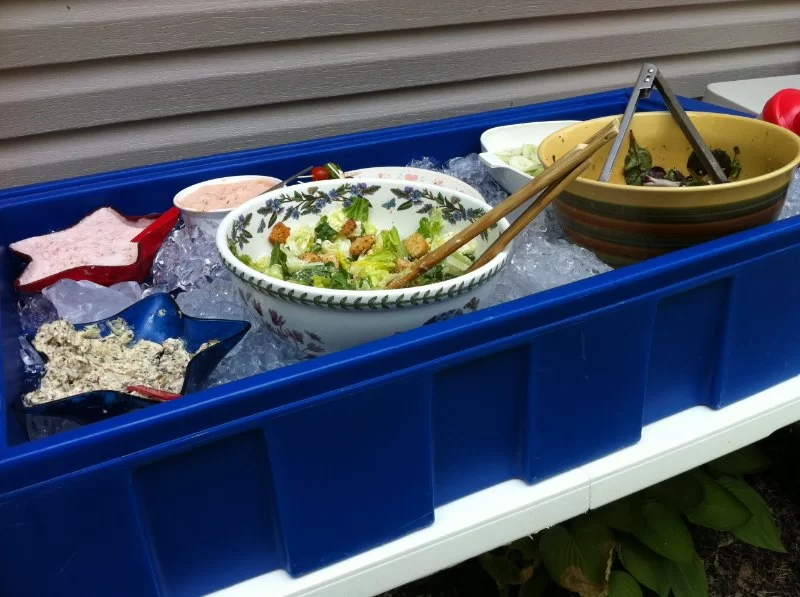
Tips for Keeping Food Cold in a Cooler for 5+ Days Without Electricity
- 1 - The Importance of Cooling Without Electricity
- 2 - Choosing the Right Cooler for Long-Term Food Preservation
- 3 - Effective Techniques to Keep Food Cold in a Cooler
- 4 - Common Mistakes to Avoid When Using a Cooler
- 5 - Why Choose Camping Rural for Your Outdoor Cooling Needs
1. The Importance of Cooling Without Electricity
Whether you're going on a multi-day camping trip or dealing with a power outage, knowing how to keep food cold in a cooler for several days without electricity is essential for preserving food safety and maintaining its quality. Without electricity, you rely entirely on your cooler and ice to keep perishables from spoiling.
The challenge of keeping food cold for 5+ days is compounded by factors like outdoor temperatures, cooler insulation, and the types of food being stored. However, with the right strategies and techniques, you can keep your cooler working effectively for an extended period, ensuring your food remains fresh and safe to eat.
2. Choosing the Right Cooler for Long-Term Food Preservation
The first step in keeping food cold for 5+ days is selecting the right cooler. Not all coolers are designed for long-term cooling, and choosing the right one can make a big difference. Here’s what to look for:
1. Insulation Quality
The quality of insulation is crucial for keeping the cold in and the warmth out. High-performance coolers with thick, dense insulation—such as roto-molded coolers—can retain cold temperatures for days. Some coolers, like the YETI Tundra, are known for their excellent insulation, which can keep ice frozen for up to 10 days in ideal conditions.
2. Size and Capacity
Choose a cooler that is appropriately sized for the amount of food and ice you need to store. A larger cooler may be necessary for longer trips or bigger groups, but avoid overpacking. Coolers that are packed tightly with ice and food will stay colder for longer. The size should allow for efficient use of space while ensuring a balance of cold air circulation.
3. Drainage and Portability
Look for coolers with drain plugs for easy water drainage, which helps keep the contents dry and prolongs ice retention. Additionally, ensure the cooler is easy to transport, especially if you're going on a long trip. Features like sturdy handles and wheels are important for convenience and portability.
3. Effective Techniques to Keep Food Cold in a Cooler
Once you’ve chosen the right cooler, it's time to apply techniques to maximize its cooling efficiency. These strategies will help you keep food cold for 5+ days without electricity:
1. Pre-chill Your Cooler
Before packing your cooler, pre-chill it by filling it with ice or cold water for a few hours. This will lower the temperature of the cooler itself, which helps maintain the cold for longer once it’s packed with food and ice.
2. Use Block Ice Instead of Cubed Ice
Block ice is much more efficient than cubed ice when it comes to long-term cooling. Block ice melts slower and can keep your cooler colder for a longer period of time. You can also freeze water bottles or other large containers of water to create your own blocks of ice.
3. Pack Smart
Pack your cooler in layers, placing the heaviest, least perishable items at the bottom and the more delicate, perishable items on top. This minimizes the exposure of more fragile foods to temperature fluctuations. Also, try to minimize the number of times you open the cooler, as each opening allows warm air to enter, which accelerates ice melting.
4. Keep the Cooler in a Cool, Shaded Area
To maintain the internal temperature of the cooler, place it in a shaded, cool area, away from direct sunlight or heat sources. If you’re camping in a hot climate, consider placing the cooler in a shaded area or covering it with a reflective tarp to reduce heat exposure.
4. Common Mistakes to Avoid When Using a Cooler
While using a cooler to keep food cold for extended periods seems simple, there are some common mistakes that can reduce its effectiveness:
1. Opening the Cooler Too Often
Every time you open the cooler, warm air enters, causing the ice to melt faster. Try to limit access to the cooler, especially during the hotter parts of the day.
2. Overloading the Cooler
Overpacking the cooler can prevent air from circulating properly, which can lead to uneven cooling. It’s important to leave enough space for the cold air to circulate around the food and ice.
3. Using Too Much Ice
Although it may seem like more ice would keep food colder longer, using an excessive amount of ice can actually reduce the cooler’s efficiency. Ensure a proper ice-to-food ratio for optimal cooling.5. Why Choose Camping Rural for Your Outdoor Cooling Needs
At Camping Rural, we provide a wide range of outdoor products designed to keep you prepared for your next adventure. Whether you need a high-performance cooler, ice packs, or expert advice on food preservation, we’ve got you covered. Our products are carefully selected to help you make the most of your outdoor experiences, ensuring that your food stays fresh and cool without the need for electricity.
Explore our selection of coolers and outdoor gear today to make your next camping trip a success. Visit Camping Rural for the best tools and products to keep your food cold and your heart happy.
 Indian Trees Campground4.0 (38 reviews)
 River Forest Park Campground3.0 (300 reviews)
 Sutter Street Mobile Home Park3.0 (84 reviews)
 Dick Sperry Campground4.0 (18 reviews)
 BWCA Campsite #8454.0 (3 reviews)
 South Fork Campground4.0 (2 reviews)
 10 Must-Visit Campgrounds in the Midwest for Your Next Outdoor Adventure
 Romantic Camping Spots for Couples: Perfect Getaways in Nature
 Ultimate Guide to Off the Grid Camping in Remote Locations
 How to Cook Over a Campfire Safely for an Enjoyable Outdoor Experience
 Vanlife in Winter: My Personal Experience Living on the Road
 From City to Camp: My Journey to Nature and What I Learned