
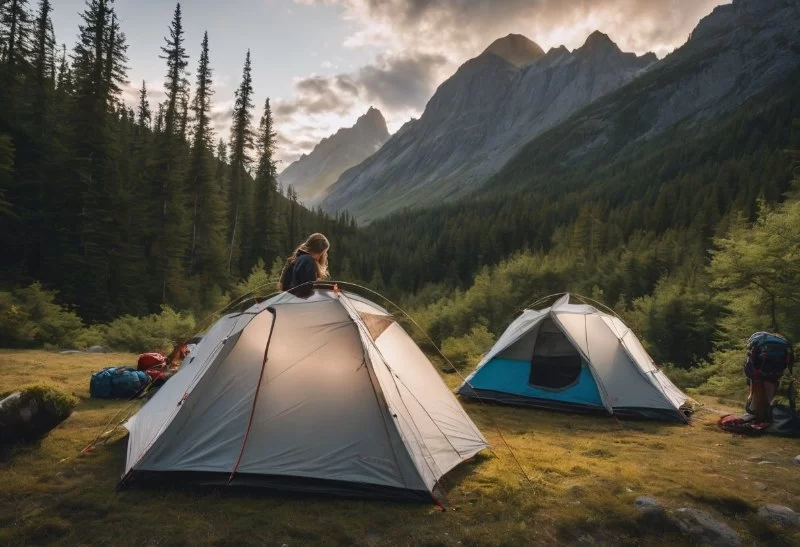
1. Troubleshooting Tent Problems: A Practical Guide for Real Outdoor Situations
Even the most experienced campers eventually encounter unexpected tent troubles. The idea behind Troubleshooting Common Tent Problems: Leaks, Tears, and Pole Breakage Fixes is not just to teach quick repair methods, but to help campers develop a calm, confident approach to outdoor problem-solving. No matter how careful you are, storms, rough terrain, or simple wear can turn a perfect camping trip into a frustrating challenge.
Having the right gear and knowing how to react can make the difference between a ruined weekend and a story you laugh about later. Whenever you need reliable repair tools, patch kits, replacement poles, or waterproofing solutions, Camping Rural offers curated equipment that helps campers stay prepared and confident.
2. Understanding the Three Most Common Tent Issues
2.1 Why Leaks, Tears, and Pole Breakage Happen
Leaks usually occur due to aging fabric, worn-out seams, or insufficient waterproof treatment. Tears often happen when a tent is pitched on sharp rocks or subjected to strong winds. Pole breakage is commonly caused by rapid gusts, improper assembly, or bending the pole segments at incorrect angles.
2.2 Identifying Problems Early
Most tent damage begins subtly. Small frayed seams, slightly bent poles, or fading waterproof coatings are early warning signs. Checking your tent regularly—especially before long trips—helps you catch issues before they escalate into emergencies.
2.3 Conditions That Accelerate Wear
Weather exposure, UV damage, and high humidity break down tent materials much faster than occasional use. This is why many outdoor enthusiasts rotate between fair-weather tents and more durable all-purpose shelters depending on the season.
3. Fixing Tent Leaks with Confidence
3.1 Tracking Down the Leak Source
When it rains, leaks may appear unpredictable, but they usually come from predictable points: seams, zippers, or small holes caused by abrasion. Shine a flashlight inside your tent during dry conditions—light escaping through the fabric reveals weakened spots.
3.2 Resealing Seams Effectively
Seam tape naturally loses adhesion over time. Applying a high-quality seam sealer on the inside stitching creates a waterproof barrier. Many beginners apply sealant only once, but seasoned campers recommend a yearly refresh. Seam repair kits from Camping Rural provide reliable sealers that cure quickly and last through heavy rain.
3.3 Reapplying Waterproof Coatings
A tent's rainfly requires regular rejuvenation. Silicone-based sprays or polyurethane coatings restore water resistance. When applied correctly, water should bead and roll off the surface rather than soak in. This maintenance step dramatically extends tent life.
3.4 Emergency Leak Fixes in the Field
If you discover a leak during a storm, improvisation matters. A quick interior patch with waterproof tape, combined with tightening guy lines, often keeps you dry enough to get through the night.
4. Repairing Tent Tears: From Small Holes to Large Rips
4.1 Identifying Tear Types
A clean slit often happens when fabric catches on something sharp, while jagged tears come from wind strain. Understanding the type of tear helps you decide whether you need a simple adhesive patch or reinforcement stitching.
4.2 Patching Fabric the Right Way
For minor holes, alcohol-clean the area and apply a high-quality repair patch on both sides of the fabric. Make sure the edges are rounded to prevent peeling. Many thru-hikers swear by ripstop patches because they remain flexible even in cold weather.
4.3 Reinforcing Larger Rips
Large tears require stitching before patching. Use strong thread and make consistent, even stitches. Once sewn, cover the seam with a durable adhesive patch. This layering technique creates long-lasting reinforcement even in high-tension areas like corners.
4.4 Preventing Future Tears
Ground cloths protect the tent base from rocky surfaces, while proper tensioning prevents fabric flapping—which often leads to accidental tearing. Heavy-duty footprint materials and protective mats available through Camping Rural can reduce wear dramatically.
5. Handling Tent Pole Breakage on the Trail
5.1 Common Causes of Pole Failure
Fiberglass poles tend to splinter under stress, while aluminum poles usually bend before breaking. Strong winds, incorrect handling, or forcing pole segments into tight curves all increase the risk of collapse.
5.2 Field Fixes for Broken Poles
Most tents include a pole sleeve, but many campers forget it exists until trouble strikes. Sliding the sleeve over a broken segment and securing it with tape restores structural support temporarily. It won’t be flawless, but it will keep your shelter usable.
5.3 Permanent Replacement Options
When back at home, replacing individual pole segments or upgrading the entire set is often worth the investment. Many campers choose lighter, stronger poles after their first breakage, appreciating the reliability boost during windy nights.
5.4 Strengthening Your Pitch Technique
Correct pole insertion angles and even distribution of stress greatly reduce breakage. Practicing your setup ahead of trips builds muscle memory and confidence, especially during bad weather.
6. Real Stories: Camping Fails That Turned into Lessons
One often-shared viral story involves a group of weekend campers who woke up during a midnight downpour only to find their entire tent flooded. They later discovered the rainfly was installed upside down—a mistake that thousands laughed about online but also learned from. Another social-media-famous incident showed a torn tent flying like a kite during strong winds because the campers skipped staking the guy lines.
These situations remind us that even experienced campers can make simple mistakes. Approaching problems with calmness, humor, and readiness creates memorable stories instead of disasters.
7. Preventive Gear Tips for Long-Lasting Shelter Performance
7.1 Routine Care Makes the Biggest Difference
Cleaning, drying, and storing your tent properly prevents mold, weak fabric, and seam failure. Even quick cleanings after trips prolong the tent’s lifespan significantly.
7.2 Using Quality Accessories
High-grade stakes, durable guy lines, and reinforced footprints all help protect your shelter. Camping Rural’s curated gear lists cater to beginners and seasoned backpackers alike, making it easier to upgrade confidently.
7.3 Weather Preparation as a Skill
Checking weather forecasts, adjusting pitch orientation, and staking down tension points early reduce the risk of structural issues. Preventive techniques often matter more than last-minute reactive fixes.


 The Sage Chalet5.0 (3 reviews)
 Hemlock Campground & Cottages4.0 (240 reviews)
 Willow Brook Campground4.0 (18 reviews)
 Red Rock Ponds RV Resort4.0 (232 reviews)
 Wesleyan Methodist Campground4.0 (54 reviews)
 Princeton Beach Estates3.0 (22 reviews)
 10 Must-Visit Campgrounds in the Midwest for Your Next Outdoor Adventure
 Romantic Camping Spots for Couples: Perfect Getaways in Nature
 Ultimate Guide to Off the Grid Camping in Remote Locations
 How to Cook Over a Campfire Safely for an Enjoyable Outdoor Experience
 Vanlife in Winter: My Personal Experience Living on the Road
 From City to Camp: My Journey to Nature and What I Learned