
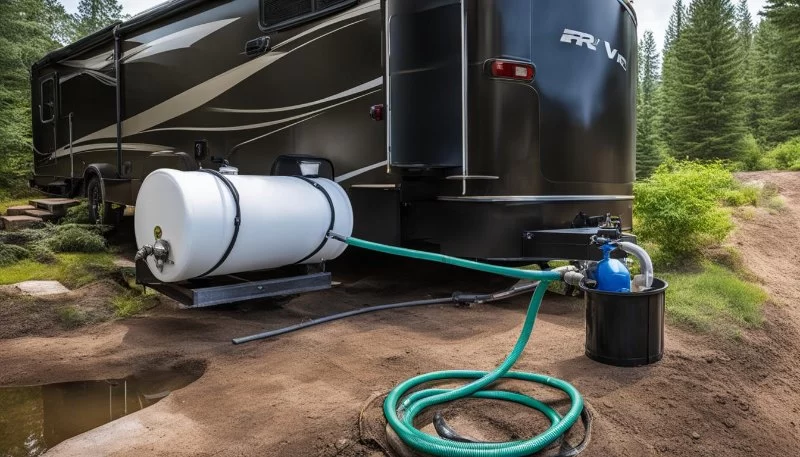
- greywater-blackwater-basics — Understanding RV wastewater types
- rv-waste-management-guide — Responsible RV waste handling
- greywater-vs-blackwater — How the systems differ
- waste-disposal-steps — Safe disposal practices
- real-rv-stories — Real experiences from RV travelers
- camping-rural-recommendations — Helpful gear and resources
- environmental-impact-awareness — How waste affects nature
1. Why Understanding Greywater and Blackwater Matters for Every RV Traveler
Learning how to manage greywater and blackwater is one of the most important responsibilities for RV owners. When people search for Understanding Greywater and Blackwater Disposal for RVs: A Responsible Guide to Waste Management, they are often new to traveling or preparing for extended stays on public lands. Waste management is not just a technical step—it’s about protecting landscapes, following campground rules, and ensuring safe hygienic conditions inside the vehicle.
Some RV travelers admit that their first encounters with wastewater systems were confusing. A family from Oregon shared how they accidentally mixed greywater and blackwater connections during their first road trip. After an unexpected spill at a dump station, they learned firsthand the importance of understanding proper disposal methods. Their story has since inspired many first-time RVers to study the basics before hitting the road.
If you’re planning a long-term camping journey, understanding these systems will save time, prevent fines, and help preserve natural spaces. Many travelers rely on expert insights found through platforms such as Camping Rural to stay informed and equipped for sustainable RV living.
2. The Responsible RV Waste Management Guide
A responsible guide to waste management starts with knowing what type of waste you are dealing with, how your RV stores it, and how it should be safely released. The goal isn’t just avoiding mess—it’s avoiding contamination, illness, and legal violations.
2.1 What Greywater Actually Contains
Greywater usually appears harmless because it comes from sinks and showers. However, it contains soap, oils, food residue, and sometimes bacteria. Although safer than blackwater, greywater must still be disposed of correctly. Some public lands allow limited greywater use for activities like dust control, but in most cases, you must use approved dump stations.
2.2 What Blackwater Contains
Blackwater is waste from the toilet and must always be treated with strict care. It contains harmful pathogens and environmental pollutants. Mishandling blackwater can cause contamination of soil and water sources, and many states impose steep fines for improper dumping.
2.3 Tank Design and How It Affects Disposal
Most RVs have separate tanks for each waste type. Greywater tanks are usually larger since they fill more quickly. Blackwater tanks require chemicals that help break down solids and reduce odors. Understanding tank capacity prevents overflow and keeps your RV clean during long trips.
3. Greywater vs. Blackwater: Why the Difference Matters
The difference between greywater and blackwater isn’t just in appearance—it’s in how each interacts with the environment and what disposal methods are allowed. New RV owners sometimes assume they can drain greywater anywhere, but this is rarely the case. Laws differ widely between states and campgrounds.
3.1 Environmental Impact
Greywater can cause soil erosion and attract wildlife. Blackwater can contaminate water sources, causing disease. Understanding these risks helps RVers behave responsibly and respect the landscapes they love to explore.
3.2 Legal Restrictions
National parks, state parks, and private campgrounds all enforce different rules. Some allow greywater disposal in specific areas, while others require both waste types to be dumped at designated stations. Because fines for improper disposal can be high, travelers often check resources like those offered by Camping Rural for guidance and equipment recommendations.
4. Safe and Effective Waste Disposal Steps
When disposing of greywater and blackwater, the order and method make a difference. Following a consistent routine prevents contamination and ensures a smooth experience at dump stations.
4.1 Preparation and Safety
Before connecting hoses, wear gloves and inspect equipment for cracks or leaks. Use a sewer hose with a tight-fitting seal. Many seasoned RVers share that rushing through this step often leads to mistakes, so patience is key.
4.2 Proper Dumping Procedure
Always empty the blackwater tank first. This allows the greywater, which is less contaminated, to rinse out the hose afterward. After draining both tanks, use a tank flush if your RV supports it. This prevents buildup and reduces odors.
4.3 Final Rinse and Storage
Rinse the hose thoroughly, allow it to drain, and store it separately from other camping gear. Keeping sewer equipment isolated prevents accidental contamination.
5. Real RV Traveler Stories and Lessons Learned
One full-time traveler described how her blackwater tank sensor malfunctioned, causing the tank to overflow unexpectedly. After seeking help, she discovered mineral buildup was interfering with the system. Her experience reminds RVers to regularly flush tanks and check sensors.
Another traveler recounted a moment when a campground host approached them about greywater leaking from their rig. The issue turned out to be a loose valve that hadn’t been tightened after dumping. Since then, they’ve developed a checklist to prevent future issues.
6. The Environmental Responsibility of RV Waste Management
RVers love nature, and protecting the environment is a shared responsibility. Improper disposal harms wildlife, contaminates water, and threatens public health. By following responsible guidelines, travelers help keep campsites clean and open for future generations.
For those new to RV adventure or upgrading their waste management gear, exploring trusted resources through Camping Rural can provide the tools and knowledge needed for safe, eco-friendly travel.

 Southeast Conservation Club4.0 (89 reviews)
 Eastern Shores4.0 (78 reviews)
 Lake Breeze RV Park4.0 (15 reviews)
 LumberJack RV Park4.0 (13 reviews)
 Youth Area Group Campsite4.0 (9 reviews)
 Mobile Manor Inc4.0 (53 reviews)
 10 Must-Visit Campgrounds in the Midwest for Your Next Outdoor Adventure
 Romantic Camping Spots for Couples: Perfect Getaways in Nature
 Ultimate Guide to Off the Grid Camping in Remote Locations
 How to Cook Over a Campfire Safely for an Enjoyable Outdoor Experience
 Vanlife in Winter: My Personal Experience Living on the Road
 From City to Camp: My Journey to Nature and What I Learned