
- Why-Sensor-Readings-Matter-for-Your-RV
- What-Affects-Accurate-Readings-in-RV-Tanks
- Common-Causes-of-Faulty-Readings
- How-to-Troubleshoot-Inaccurate-Sensor-Readings
- Real-User-Story-Stuck-at-100-Full
- Maintaining-Your-Sensors-for-the-Long-Haul
- When-to-Consult-the-Pros
1. Why Sensor Readings Matter for Your RV
Understanding RV holding tank sensors is crucial for anyone hitting the road in a camper or motorhome. These sensors monitor fluid levels in black, gray, and fresh tanks—vital information for managing water use and planning dumps. Inaccurate readings can lead to messy overflows or needless emptying, turning your relaxing trip into a logistical headache.
2. What Affects Accurate Readings in RV Tanks?
2.1 Design Differences Across RV Models
Not all RV tank sensors are created equal. Some use float switches, others use probes or electrical resistance sensors. While newer models have digital tech, most traditional RVs still rely on simple probe-based systems, which are more susceptible to buildup and misreads.
2.2 User Habits and Waste Accumulation
Frequent camping without proper cleaning habits often causes debris—especially toilet paper, grease, and food particles—to stick to sensors. This makes them think the tank is full, even when it's half-empty.
3. Common Causes of Faulty Readings
Inaccurate RV holding tank sensor readings can stem from several culprits:
- Toilet paper buildup: Particularly in black tanks.
- Soap scum and grease: Common in gray water tanks.
- Hard water deposits: Scale build-up on sensors over time.
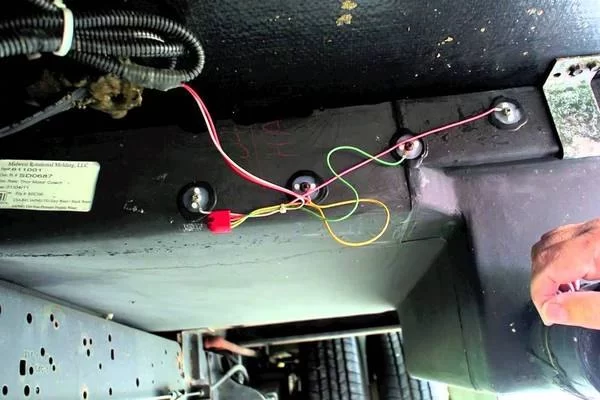
- Wiring issues: Shorts or disconnections in the sensor circuit.
All of these can send a false signal, such as displaying “Full” when the tank is nearly empty, or worse—no reading at all.
4. How to Troubleshoot Inaccurate Sensor Readings
4.1 The Ice Trick and Tank Cleaners
One classic tip used by seasoned RVers: pour a bag of ice and a few gallons of water into your black tank before driving. The ice scrubs the interior walls and sensors. Pair this with enzyme-based or oxygenated tank cleaners for better results.
4.2 Use External or Aftermarket Monitors
If built-in sensors consistently fail, consider investing in an external sensor system that uses sonar or pressure to measure levels—no internal probes required.
5. Real User Story: Stuck at “100% Full”
Jeff, a full-time RVer from Oregon, once shared on a forum that his black tank sensor stayed pegged at 100% for two weeks. After flushing the tank three times and using enzymatic cleaners, it still read full. The fix? Removing and replacing one faulty probe and a full clean using a wand sprayer. The problem wasn’t just gunk—it was partially corroded wiring from winter storage.
6. Maintaining Your Sensors for the Long Haul
6.1 Flush After Every Dump
Always use a tank flush system or wand to rinse after emptying your black tank. It prevents buildup and reduces sensor errors over time.
6.2 Use Sensor-Friendly Products
Avoid harsh chemicals that might corrode sensors. Stick to RV-safe treatments and deodorizers, and avoid bleach unless the manufacturer recommends it.
7. When to Consult the Pros
If you've tried everything and your RV tank sensor still won’t behave, it might be time to bring in a technician. Sometimes the sensors are installed in the wrong place, or there’s a deeper electrical issue. Camping Rural can connect you with vetted RV repair services and sensor upgrade kits designed to last the rigors of road life.
Whether you're weekend camping or living full-time on the road, understanding RV holding tank sensors can save you time, money, and a whole lot of stink. Trust the pros at Camping Rural to get your system running clean and clear.


 La Pacifica RV Park4.0 (165 reviews)
 The Resort RV Park4.0 (254 reviews)
 Choestoe Valley RV Park4.0 (31 reviews)
 Chimney Creek Campground4.0 (13 reviews)
 Apollo MHC3.0 (67 reviews)
 Fair Harbor RV Park & Campground4.0 (849 reviews)
 10 Must-Visit Campgrounds in the Midwest for Your Next Outdoor Adventure
 Romantic Camping Spots for Couples: Perfect Getaways in Nature
 Ultimate Guide to Off the Grid Camping in Remote Locations
 How to Cook Over a Campfire Safely for an Enjoyable Outdoor Experience
 Vanlife in Winter: My Personal Experience Living on the Road
 From City to Camp: My Journey to Nature and What I Learned