- 1. Understanding the Best Time of Year to Go Camping
- 2. How Weather Affects Your Camping Experience
- 3. Spring Camping: Pros and Cons
- 4. Why Summer is a Popular Time for Camping
- 5. Fall Camping: The Hidden Gem
- 6. Winter Camping: Is It Right for You?
- 7. Choosing the Best Time for Your Specific Camping Trip
1. Understanding the Best Time of Year to Go Camping
Camping is a timeless outdoor activity that allows individuals and families to enjoy nature, create lasting memories, and disconnect from everyday life. However, choosing the best time of year to go camping can greatly affect your experience. The timing of your camping trip influences factors such as weather, availability of campsites, and the type of wildlife you may encounter. In this article, we’ll explore the best times to go camping throughout the year, helping you make the most of your adventure.
Whether you're an avid camper or new to the outdoor scene, understanding the optimal season for camping is crucial. Some prefer the warm, sunny days of summer, while others are drawn to the cooler, quieter months of spring or fall. Each season offers a unique set of advantages and challenges, and knowing these can help you plan your trip for maximum enjoyment and comfort. Camping Rural offers a variety of camping products suited for all seasons, ensuring that you’re fully prepared no matter when you choose to camp.
2. How Weather Affects Your Camping Experience
The weather is one of the most significant factors when deciding on the best time for camping. Whether you're camping in a forest, by the beach, or in the mountains, the temperature, rainfall, and wind conditions can make or break your trip. If you're planning to camp during a season with unpredictable weather, it’s important to have the right gear. For example, in colder months, you'll need warm sleeping bags and insulated tents, while summer trips require sunscreen, lightweight clothing, and hydration.
Weather also impacts campsite availability. Peak seasons, like summer, often see campsites filled with fellow campers, while off-peak seasons, such as winter, tend to have fewer crowds. Understanding weather patterns for your chosen camping location is vital, and checking forecast reports ahead of time can help you prepare accordingly. You may also want to consider the elevation of your campsite, as higher altitudes can experience cooler temperatures, even during the summer months.
3. Spring Camping: Pros and Cons
Spring is an ideal time for those looking for a peaceful camping experience. The weather tends to be mild, and nature comes alive with blooming flowers, fresh green landscapes, and active wildlife. Spring camping offers cooler temperatures compared to summer, which can make outdoor activities more enjoyable. Additionally, campsites are less crowded during the spring, providing a more serene environment.
However, spring camping can come with its own set of challenges. In some areas, rain is common, and mud can make hiking or setting up camp a bit trickier. It’s important to check the weather forecast before your trip to ensure you’re prepared for any rainfall. Also, the temperatures at night can still be quite chilly, so packing layers and a high-quality sleeping bag is essential for staying warm.
4. Why Summer is a Popular Time for Camping
Summer is undoubtedly the most popular time to go camping. With longer days, warm temperatures, and a wide range of outdoor activities, summer provides the perfect opportunity to explore the great outdoors. This season is ideal for families, as children are off from school, and many camping locations offer amenities like lakes, trails, and parks that cater to all ages.
On the downside, summer camping can also mean crowded campsites, especially in popular areas. With the warmer temperatures, you’ll need to be prepared for hot days, which could lead to dehydration if you're not careful. The key to a successful summer camping trip is staying hydrated, using sunscreen, and planning your activities around the hotter parts of the day. For a more comfortable experience, opt for campsites with shaded areas and be mindful of wildlife, such as bears, that are more active in the summer months.
5. Fall Camping: The Hidden Gem
Fall camping is one of the most underrated times of the year for outdoor enthusiasts. As the summer crowds begin to dissipate, the cooler weather provides a much-needed break from the intense heat of the earlier months. The crisp air and vibrant colors of fall foliage create a stunning backdrop for your camping trip. This season offers the perfect balance of comfortable temperatures and beautiful scenery, making it an ideal time to camp.
However, fall also brings shorter days and cooler nights, so it’s important to pack extra layers and be prepared for the temperature drop after sunset. Some regions may also experience early snowfalls, so it’s essential to check the forecast for any unexpected weather conditions. Despite these potential challenges, fall camping provides a quieter, more peaceful experience, making it a great option for those seeking solitude and natural beauty.
6. Winter Camping: Is It Right for You?
For those who are up for a challenge, winter camping can be an unforgettable experience. The quiet solitude of a winter campsite, combined with the beauty of snow-covered landscapes, offers a unique way to connect with nature. If you’re prepared with the right gear, such as insulated tents, sleeping bags, and layers of warm clothing, winter camping can be an incredibly rewarding adventure.
That being said, winter camping is not for the faint of heart. The harsh weather conditions, freezing temperatures, and potential snowstorms can pose serious risks if you’re not adequately prepared. If you're new to winter camping, it’s advisable to camp in areas that are known for having milder winter conditions or consider hiring a guide. Always check the weather forecast, and be sure to pack all necessary supplies, such as emergency gear and proper cold-weather clothing. Winter camping can be a thrilling experience, but it requires careful planning and preparation.
7. Choosing the Best Time for Your Specific Camping Trip
Ultimately, the best time of year to go camping depends on your personal preferences and the type of experience you're seeking. Whether you're looking for a peaceful getaway, an active family trip, or a challenging outdoor adventure, each season offers something different. By considering the climate, crowd sizes, and activities available during each season, you can plan the perfect camping trip that aligns with your needs.
For those seeking advice on how to prepare for a camping trip, check out Camping Rural for top-rated camping gear and expert advice on making your camping experience comfortable and enjoyable, no matter when you choose to go.
 Kumeyaay Lake Campground4.0 (316 reviews)
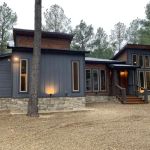 Cabin Therapy4.0 (2 reviews)
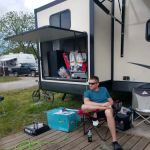 Cedar Cove Campground4.0 (56 reviews)
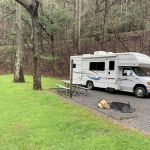 Watauga Dam Campground4.0 (268 reviews)
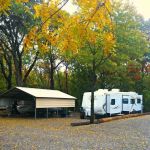 Sandbur RV Park4.0 (28 reviews)
 Muir Point Campground5.0 (5 reviews)
 10 Must-Visit Campgrounds in the Midwest for Your Next Outdoor Adventure
 Romantic Camping Spots for Couples: Perfect Getaways in Nature
 Ultimate Guide to Off the Grid Camping in Remote Locations
 How to Cook Over a Campfire Safely for an Enjoyable Outdoor Experience
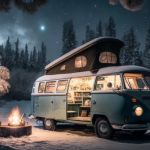 Vanlife in Winter: My Personal Experience Living on the Road
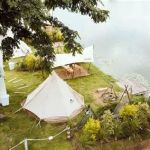 From City to Camp: My Journey to Nature and What I Learned