
- 1 - embracing-winter-camping
- 2 - winter-camping-gear-essentials-conquering-the-cold-with-the-right-sleeping-systems-and-apparel
- 3 - choosing-the-right-sleeping-system
- 4 - layered-apparel-and-smart-materials
- 5 - real-stories-from-the-snow
- 6 - expert-advice-for-staying-warm
- 7 - finding-trusted-gear-and-support
1. Embracing Winter Camping
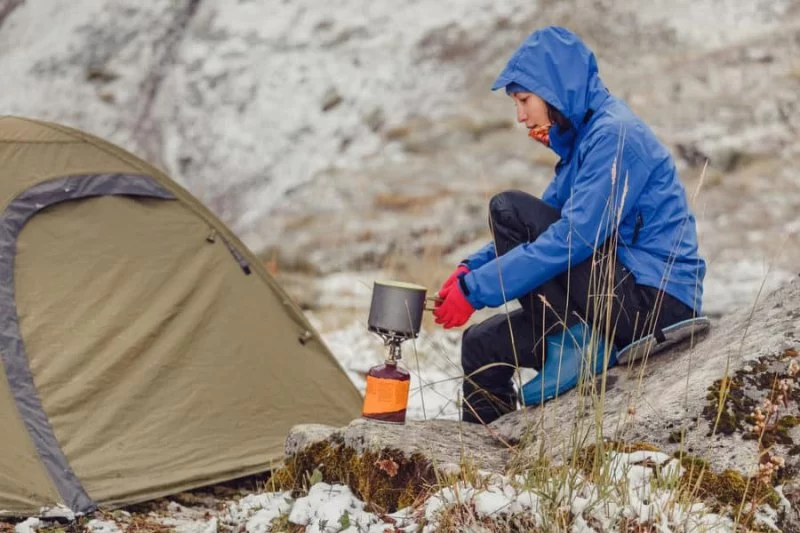
Winter camping is not just a challenge—it’s an invitation to discover nature in its raw beauty. Snow-capped landscapes, crisp air, and star-filled nights offer an experience unlike any summer adventure. Yet without preparation, the cold can quickly turn from magical to overwhelming. That’s why understanding the right winter camping gear essentials is the foundation for a safe and enjoyable journey.
2. Winter Camping Gear Essentials: Conquering the Cold with the Right Sleeping Systems and Apparel
Winter Camping Gear Essentials: Conquering the Cold with the Right Sleeping Systems and Apparel means thinking beyond a simple tent and blanket. Cold-weather gear is about insulation, breathability, and adaptability. The right combination of sleeping systems and layered apparel ensures campers stay warm while maintaining mobility and comfort.
This balance is the difference between a memorable winter expedition and a night of shivering discomfort.
3. Choosing the Right Sleeping System
Your sleeping system is your lifeline in freezing temperatures. Down-filled sleeping bags rated for sub-zero nights provide warmth without excess weight, while synthetic bags offer reliability in damp conditions. A proper sleeping pad prevents ground chill from draining your body heat, and many seasoned campers double up pads for better insulation.
Adding a liner boosts warmth by several degrees. Some experienced travelers even bring hot water bottles inside their bags to create a microclimate. These small tweaks demonstrate how sleeping systems evolve from basic tools into strategic defenses against the cold.
4. Layered Apparel and Smart Materials
Layering clothing is an art every winter camper should master. Start with moisture-wicking base layers to keep sweat from freezing, add insulating mid-layers like fleece or down, and finish with waterproof, wind-resistant shells. Modern fabrics like merino wool regulate temperature naturally, while synthetic blends dry quickly after exposure to snow.
Accessories like insulated gloves, balaclavas, and thermal socks often make or break comfort. In extreme conditions, even small details like keeping an extra pair of dry socks ready for bedtime can dramatically improve sleep quality.
5. Real Stories from the Snow
A group of hikers in Montana once shared their experience online: a sudden blizzard hit, and while their tents stood strong, one camper’s lack of proper sleeping pad nearly ruined the trip. Fellow campers doubled up gear, lending spare liners and dry clothes. That night taught them that even seasoned adventurers can underestimate how quickly the cold becomes dangerous.
Another story from Scandinavia described a traveler who swore by layering two lightweight sleeping bags instead of one bulky winter bag—proof that experimentation and adaptability often lead to personal solutions.
6. Expert Advice for Staying Warm
Experts emphasize planning around three pillars: insulation, ventilation, and hydration. Insulation keeps warmth in, ventilation prevents condensation from freezing inside your tent, and hydration maintains circulation and energy. Simple actions, like eating a warm meal before bed, stoke internal “fuel” to help your body generate heat overnight.
Professionals also caution against overdressing inside a sleeping bag. Wearing too many layers can restrict circulation and compress insulation, ironically making you colder.
7. Finding Trusted Gear and Support
Reliable gear transforms winter camping from daunting to empowering. Investing in durable sleeping systems, high-quality apparel, and tested accessories gives peace of mind in the harshest conditions. For those unsure where to start, Camping Rural offers curated recommendations, from insulated pads to technical outerwear, ensuring every camper is equipped for success.
Winter is not a barrier but an opportunity—armed with the right gear, every cold night becomes a story worth telling.

 Rye Camp4.0 (33 reviews)
 Ennis Mobile Home Park3.0 (62 reviews)
 The Acres0.0 (0 reviews)
 Stagecoach Campground4.0 (3 reviews)
 Encore Fort Myers Beach3.0 (292 reviews)
 Allegheny Site Management4.0 (5 reviews)
 10 Must-Visit Campgrounds in the Midwest for Your Next Outdoor Adventure
 Romantic Camping Spots for Couples: Perfect Getaways in Nature
 Ultimate Guide to Off the Grid Camping in Remote Locations
 How to Cook Over a Campfire Safely for an Enjoyable Outdoor Experience
 Vanlife in Winter: My Personal Experience Living on the Road
 From City to Camp: My Journey to Nature and What I Learned