
- 1-why-winter-camping-is-worth-the-effort-#why-winter-camping-is-worth-the-effort
- 2-understanding-cold-weather-risks-before-you-camp-#understanding-cold-weather-risks-before-you-camp
- 3-how-to-dress-properly-for-winter-camping-#how-to-dress-properly-for-winter-camping
- 4-setting-up-a-warm-and-safe-winter-campsite-#setting-up-a-warm-and-safe-winter-campsite
- 5-sleeping-warm-in-freezing-temperatures-#sleeping-warm-in-freezing-temperatures
- 6-real-winter-camping-lessons-from-the-field-#real-winter-camping-lessons-from-the-field
- 7-how-the-right-preparation-changes-everything-#how-the-right-preparation-changes-everything
Why Winter Camping Is Worth the Effort
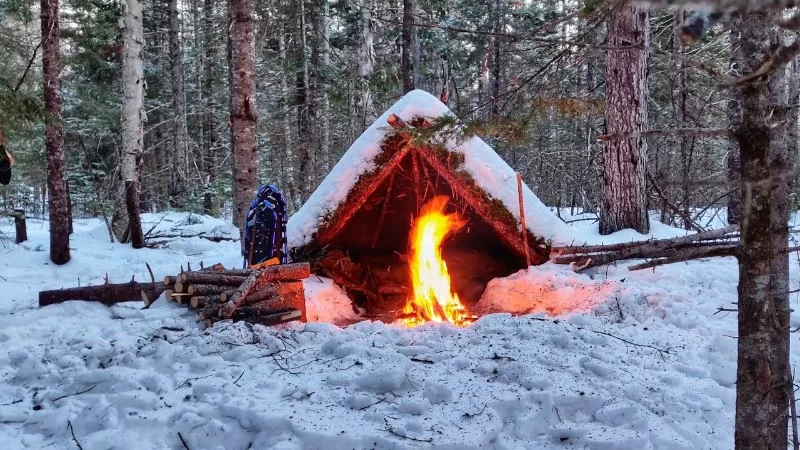
The first time I tried winter camping, I questioned my decision almost immediately. Snow crunched under my boots, the air felt sharp, and everything took longer than expected. But once the campsite was set up and the silence of winter settled in, I understood why people fall in love with cold-weather camping.
Winter camping offers something rare: solitude, stillness, and landscapes transformed by snow. Fewer crowds, crisp air, and star-filled nights make the experience deeply rewarding. Learning how to stay warm and comfortable in cold weather is what turns winter camping from a struggle into an unforgettable adventure.
Understanding Cold Weather Risks Before You Camp
Cold weather introduces challenges that don’t exist during warmer seasons. Before heading out, it’s essential to understand the risks so you can prepare properly.
1. Hypothermia and Heat Loss
Even experienced campers underestimate how quickly the body loses heat. Wind, moisture, and inactivity all accelerate heat loss. Staying dry and insulated is the foundation of winter camping safety.
2. Dehydration in Cold Conditions
Cold air suppresses thirst, but dehydration still happens quickly. I learned this the hard way after feeling unusually tired on my second winter trip. Drinking water consistently is just as important in winter as in summer.
3. Shorter Daylight Hours
Less daylight means less time to set up camp and gather resources. Planning ahead and starting early makes a huge difference when temperatures drop quickly after sunset.
How to Dress Properly for Winter Camping
Clothing choices are the single most important factor in staying warm. I’ve learned that winter camping isn’t about wearing the thickest jacket possible—it’s about smart layering.
1. Base Layers That Manage Moisture
A good base layer keeps sweat away from your skin. Materials like merino wool or synthetic fabrics work far better than cotton, which traps moisture and accelerates heat loss.
2. Insulating Layers That Trap Heat
Mid-layers such as fleece or down jackets provide insulation by trapping warm air. I always bring an extra insulating layer in case temperatures drop unexpectedly.
3. Weatherproof Outer Layers
A windproof and waterproof outer layer protects against snow, wind, and freezing rain. Even mild wind can dramatically lower body temperature.
4. Hands, Feet, and Head Protection
Heat escapes quickly through extremities. Insulated boots, thick socks, gloves, and a warm hat are non-negotiable for winter comfort.
Setting Up a Warm and Safe Winter Campsite
Campsite selection becomes more strategic in winter. A few small decisions can dramatically improve comfort.
1. Choose Sheltered Locations
Avoid exposed ridges and valleys where cold air settles. Natural windbreaks like trees or rock formations help retain warmth.
2. Prepare the Ground
Snow and frozen ground pull heat away from your body. I always pack down snow and add an insulating layer beneath my tent to reduce heat loss.
3. Manage Fire Safely
A controlled campfire provides warmth and boosts morale, but safety matters. Keeping firewood dry and understanding local fire regulations is essential.
Sleeping Warm in Freezing Temperatures
Sleep is where many winter campers struggle. Staying warm overnight requires planning, not luck.
1. Cold-Weather Sleeping Bags
A sleeping bag rated for temperatures lower than expected conditions is critical. I’ve learned to ignore “comfort ratings” and plan conservatively.
2. Insulated Sleeping Pads
Ground insulation matters more than the sleeping bag itself. Using high R-value sleeping pads prevents heat from being pulled into the frozen ground.
3. Smart Bedtime Habits
Eating a warm meal before bed, changing into dry clothes, and doing light movement before sleeping all help generate and retain body heat.
Real Winter Camping Lessons From the Field
On one winter trip, I underestimated how much moisture from breath would freeze inside my tent overnight. Waking up to frost-covered gear taught me the importance of ventilation—even in freezing temperatures.
Another time, a fellow camper skipped proper insulation beneath their sleeping bag. Despite heavy layers, they spent the night shivering. That experience reinforced how small details can make or break comfort.
How the Right Preparation Changes Everything
Winter camping rewards preparation more than any other season. With the right clothing, gear, and mindset, cold weather becomes part of the experience rather than an obstacle.
Many campers explore resources like Camping Rural when planning cold-weather trips, especially when searching for winter-friendly campsites and gear recommendations. Thoughtful planning transforms winter camping into a peaceful, confidence-building adventure rather than a test of endurance.
Learning how to stay warm and comfortable in cold weather opens the door to a quieter, more powerful way to experience the outdoors—one that few ever forget once they try it.
 Forest Ridge Campground4.0 (83 reviews)
 Happy Time RV Park4.0 (27 reviews)
 Fisherman's Group Campground4.0 (9 reviews)
 Jack Creek Recreation Area4.0 (207 reviews)
 Bears Den Rv Park4.0 (27 reviews)
 Lazy River Camping Area4.0 (153 reviews)
 10 Must-Visit Campgrounds in the Midwest for Your Next Outdoor Adventure
 Romantic Camping Spots for Couples: Perfect Getaways in Nature
 Ultimate Guide to Off the Grid Camping in Remote Locations
 How to Cook Over a Campfire Safely for an Enjoyable Outdoor Experience
 Vanlife in Winter: My Personal Experience Living on the Road
 From City to Camp: My Journey to Nature and What I Learned