
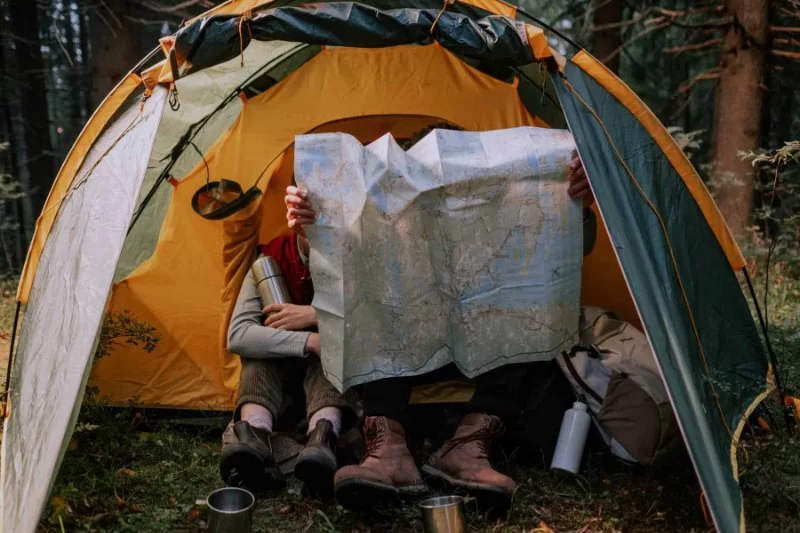
- Understanding-the-Camping-Culture-in-the-United-States
- Essential-Gear-Every-Camper-Should-Consider
- Smart-Planning-Before-Your-Camping-Trip
- Pro-Tips-from-Experienced-US-Campers
- Real-Camping-Story-Lessons-from-the-Trail
- Camping-Safety-and-Weather-Preparation
- Building-Your-Own-Camping-Style-Over-Time
Understanding the Camping Culture in the United States
Camping has long been a cherished outdoor tradition across the United States. From the towering forests of the Pacific Northwest to the desert landscapes of Arizona and the scenic lakes of Minnesota, millions of Americans head outdoors every year to disconnect from daily routines and reconnect with nature. For both beginners and seasoned outdoor enthusiasts, having the right advice, gear recommendations, and pro tips can make the difference between a stressful trip and an unforgettable adventure.
The popularity of camping surged significantly in recent years. According to outdoor recreation surveys, millions of new campers tried their first overnight trip after 2020. Many of them quickly realized that camping is more than pitching a tent — it is about preparation, comfort, safety, and adapting to different environments.
1. Why Camping Continues to Grow in Popularity
Camping offers something modern life often lacks: quiet, open space, and freedom from digital distractions. Families enjoy bonding time around campfires, hikers explore national parks, and solo travelers seek peaceful retreats in nature.
2. Different Types of Camping Experiences
In the U.S., camping is not a one-size-fits-all activity.
Tent Camping
The most traditional and budget-friendly option, ideal for national parks and backcountry trips.
Car Camping
This style allows campers to bring more equipment since the campsite is accessible by vehicle.
RV Camping
Recreational vehicles provide more comfort and amenities while still allowing travelers to explore remote areas.
Many outdoor enthusiasts browse platforms like Camping Rural when searching for reliable camping gear, campsite suggestions, or services tailored to rural outdoor adventures.
Essential Gear Every Camper Should Consider
Having the right gear is one of the most important parts of any camping trip. While beginners often assume they need dozens of items, experienced campers know that a few high-quality essentials can dramatically improve comfort and safety.
1. Shelter and Sleeping Equipment
Choosing the Right Tent
A durable tent protects campers from wind, rain, and insects. When selecting a tent, consider factors such as weather resistance, weight, and ventilation.
Sleeping Bags and Pads
Temperature-rated sleeping bags help regulate body warmth during cold nights. Many experienced campers also bring insulated sleeping pads to prevent heat loss from the ground.
2. Cooking and Food Storage
Portable Camping Stoves
Small propane or butane stoves allow campers to cook meals easily even in remote locations.
Coolers and Food Containers
Proper food storage keeps meals fresh and protects against wildlife encounters.
3. Lighting and Power
Headlamps and Lanterns
Hands-free lighting is essential when setting up camp after sunset or hiking early in the morning.
Portable Power Banks
Many campers carry small solar chargers or battery packs for emergency communication.
Outdoor beginners often research product comparisons and equipment suggestions through Camping Rural to find camping gear suited for different terrains across the United States.
Smart Planning Before Your Camping Trip
Preparation plays a critical role in successful camping trips. Experienced campers rarely leave home without researching their destination and building a clear plan.
1. Researching Campsites
National parks, state parks, and public lands often require advance reservations. Popular destinations such as Yosemite or Yellowstone can book months ahead during peak seasons.
Understanding Campground Facilities
Some sites provide restrooms, fire pits, and picnic tables, while others are completely primitive.
2. Checking Weather and Seasonal Conditions
Weather patterns vary dramatically across the United States.
Mountain Regions
Temperatures may drop significantly overnight even in summer.
Desert Areas
Days can be extremely hot while nights become surprisingly cold.
3. Packing Efficiently
Experienced campers pack gear strategically to avoid unnecessary weight while still bringing essentials.
Emergency Kit
A well-prepared kit should include a first-aid kit, map, multi-tool, and extra water.
Layered Clothing
Weather can change quickly in outdoor environments, so layered clothing offers flexibility.
Pro Tips from Experienced US Campers
Some of the most valuable camping advice comes from people who spend dozens of nights outdoors every year.
1. Arrive Before Sunset
Setting up a tent and organizing camp during daylight is much easier. Many beginners underestimate how quickly darkness arrives in forested areas.
2. Practice Setting Up Gear at Home
Experienced campers recommend assembling tents or stoves at home before the trip to avoid confusion in the field.
3. Manage Campfire Skills
Start with Small Kindling
Building a fire requires dry twigs and gradual layering.
Follow Local Fire Regulations
Some areas restrict fires during dry seasons to prevent wildfires.
4. Leave No Trace Principles
Responsible camping protects natural landscapes for future generations. This includes packing out trash and minimizing environmental impact.
Many seasoned campers also recommend browsing curated outdoor gear lists through Camping Rural when upgrading equipment for more advanced trips.
Real Camping Story: Lessons from the Trail
A story frequently shared among camping communities online involved a group of friends hiking in Colorado’s Rocky Mountains. Despite their enthusiasm, they underestimated how cold the nights would become at higher elevations.
On their first evening, temperatures dropped close to freezing, and two of the campers had brought lightweight summer sleeping bags.
What Went Wrong
Insufficient Gear Research
They did not check the elevation-based temperature forecasts.
Lack of Insulation
Sleeping pads were missing, causing heat loss from the cold ground.
What They Learned
The experience taught them that preparation matters as much as enthusiasm. For future trips, they upgraded their gear, packed layered clothing, and planned routes more carefully.
Stories like this circulate widely among outdoor communities and remind new campers that good planning and quality gear can prevent uncomfortable or even dangerous situations.
Camping Safety and Weather Preparation
Outdoor adventures are exciting, but they also require attention to safety.
1. Wildlife Awareness
Many U.S. camping regions are home to wildlife such as bears, raccoons, and coyotes.
Proper Food Storage
Using bear-proof containers prevents animals from approaching campsites.
Keeping Camps Clean
Removing food scraps and trash reduces wildlife attraction.
2. Navigation and Communication
Even experienced hikers can become disoriented in unfamiliar terrain.
Carry Physical Maps
GPS devices may lose signal in remote areas.
Tell Someone Your Route
Sharing travel plans with friends or family improves safety.
3. Storm Preparedness
Weather can change rapidly in many parts of the United States.
Secure Tents Properly
Strong winds can easily damage poorly anchored tents.
Avoid Flood-Prone Areas
Setting up camp near dry riverbeds can be dangerous during storms.
Building Your Own Camping Style Over Time
Every camper eventually develops their own style based on experience, comfort preferences, and travel goals.
1. Learning Through Experience
Many campers admit their first few trips involve mistakes — forgotten gear, uncomfortable sleeping setups, or poorly planned meals.
2. Upgrading Equipment Gradually
Instead of buying everything at once, experienced campers improve their gear over time as they learn what works best.
3. Connecting with Outdoor Communities
Online forums and camping groups often share valuable advice about gear testing, campsite reviews, and survival skills.
By combining practical experience with reliable equipment recommendations and thoughtful preparation, campers across the United States can enjoy safe, memorable adventures in the outdoors.
 River Ridge MHP4.0 (42 reviews)
 River Ranch0.0 (0 reviews)
 Williamsburg Manor Manufactured Home Community3.0 (100 reviews)
 The Honey Hut5.0 (4 reviews)
 Palos Verdes Shores MH & Golf Community4.0 (135 reviews)
 Clearcreek Mobile Home Park3.0 (76 reviews)
 10 Must-Visit Campgrounds in the Midwest for Your Next Outdoor Adventure
 Romantic Camping Spots for Couples: Perfect Getaways in Nature
 Ultimate Guide to Off the Grid Camping in Remote Locations
 How to Cook Over a Campfire Safely for an Enjoyable Outdoor Experience
 Vanlife in Winter: My Personal Experience Living on the Road
 From City to Camp: My Journey to Nature and What I Learned