
- 1-Why-Choose-Camping-for-Wildlife-Photography
- 2-Top-Camping-Spots-for-Capturing-Wildlife
- 3-Essential-Gear-for-Wildlife-Photography-Camping-Trips
- 4-Timing-and-Techniques-for-Successful-Wildlife-Shots
- 5-Safety-and-Respect-in-Wildlife-Photography-Camping
- 6-Stories-from-Experienced-Wildlife-Photographers
- 7-Finding-the-Best-Camping-Equipment-at-Camping-Rural
Why Choose Camping for Wildlife Photography
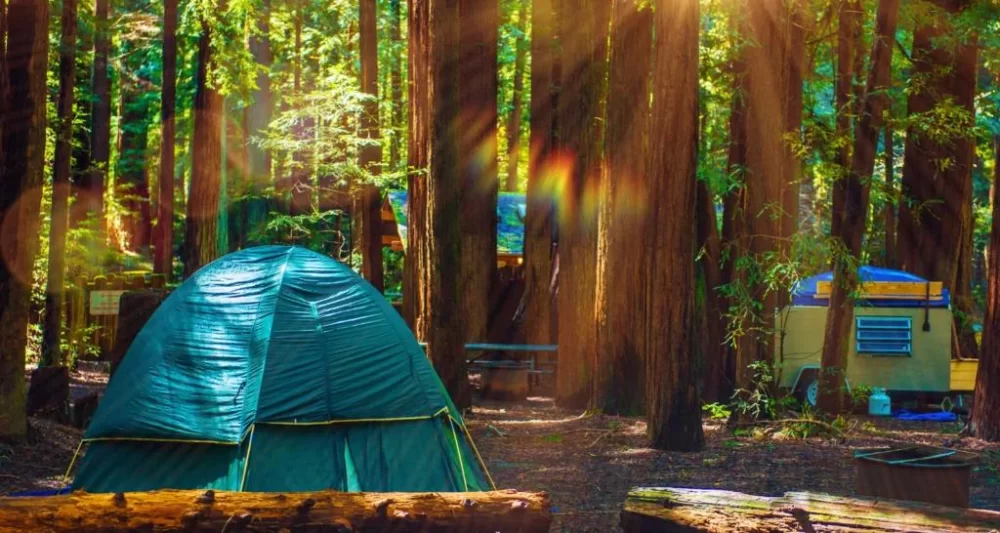
Camping provides photographers unparalleled access to nature’s most elusive creatures. Being immersed in the natural environment allows for patience, timing, and the chance to capture rare moments that would be impossible from a day trip.
It also offers flexibility to explore multiple locations and adapt to changing conditions, enhancing your chances of perfect wildlife shots.
Top Camping Spots for Capturing Wildlife
Some of the best camping spots for wildlife photography include:
- Yellowstone National Park: Famous for bison, wolves, and bears in dramatic landscapes.
- Everglades National Park: Offers unique access to alligators, birds, and rare reptiles.
- Denali National Park, Alaska: Pristine wilderness with opportunities to photograph moose, bears, and caribou.
- Great Smoky Mountains: A diverse ecosystem home to deer, black bears, and abundant bird species.
These spots provide diverse ecosystems, perfect for both beginners and experienced wildlife photographers.
Essential Gear for Wildlife Photography Camping Trips
Successful wildlife photography requires specialized gear combined with camping essentials. Key items include:
- Long-range telephoto lenses for detailed animal portraits without disturbance.
- Sturdy tripods to stabilize shots in low light or long exposure.
- Portable camouflage gear to blend into surroundings.
- Reliable camping gear such as tents, sleeping bags, and weather-appropriate clothing.
Proper preparation ensures comfort and maximizes photography opportunities.
Timing and Techniques for Successful Wildlife Shots
Wildlife is most active at dawn and dusk, so planning your shoots around these times improves your chances of capturing natural behaviors.
Techniques like silent shooting modes, understanding animal behavior, and using natural light creatively make a significant difference in photo quality.
Safety and Respect in Wildlife Photography Camping
Respecting wildlife and their habitats is essential. Maintain a safe distance, avoid sudden movements, and never feed animals. Follow local guidelines and camping regulations to protect both yourself and the environment.
Ethical practices ensure sustainable wildlife photography for future generations.
Stories from Experienced Wildlife Photographers
Jessica, a seasoned wildlife photographer, recalls, “Camping near Yellowstone gave me the patience to capture a rare wolf pack interaction. The immersive experience was priceless.”
These stories highlight the rewards of combining camping with wildlife photography passion.
Finding the Best Camping Equipment at Camping Rural
For those ready to embark on wildlife photography camping trips, Camping Rural offers a curated selection of top-quality camping gear and expert advice to equip you for success in the wild.
Explore their offerings to prepare thoroughly and enhance your outdoor photography adventures.
 Jackson Campground on the Applegate River4.0 (106 reviews)
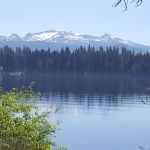 Camino Cove Camp Grounds4.0 (66 reviews)
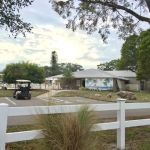 Century 21 Mobile Home Community4.0 (9 reviews)
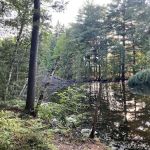 Pine Point Campground4.0 (25 reviews)
 Creek Valley Campground4.0 (3 reviews)
 South Hampton Manufactured Home Community3.0 (222 reviews)
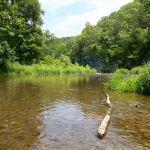 10 Must-Visit Campgrounds in the Midwest for Your Next Outdoor Adventure
 Romantic Camping Spots for Couples: Perfect Getaways in Nature
 Ultimate Guide to Off the Grid Camping in Remote Locations
 How to Cook Over a Campfire Safely for an Enjoyable Outdoor Experience
 Vanlife in Winter: My Personal Experience Living on the Road
 From City to Camp: My Journey to Nature and What I Learned