
Best Ways to Store Your Camping Gear Between Trips
1. Introduction to Proper Camping Gear Storage
Properly storing your camping gear between trips is essential to ensure that everything stays in good condition for the next adventure. Whether you're a weekend camper or someone who enjoys extended trips, taking care of your gear can prolong its life and save you money. In this article, we'll cover the best ways to store your camping gear, from tents and sleeping bags to cookware and clothing, so you can enjoy your next trip without worrying about wear and tear.
2. Why Proper Storage Matters
Storing your camping gear the right way helps prevent damage from dirt, moisture, and pests. It also keeps your gear organized, making it easier to access and pack for future trips. Moreover, improper storage can lead to mold, mildew, or corrosion, which can shorten the lifespan of expensive camping equipment like tents and sleeping bags.
2.1. Protecting Your Investment
Camping gear can be a significant investment, especially for high-quality tents, backpacks, and outdoor clothing. By storing your items properly, you protect that investment and ensure that they will perform well on your next adventure. Whether it's keeping your gear dry, clean, or properly packed, these steps will save you money in the long run.
3. Storing Specific Types of Camping Gear
Different types of camping gear require different storage methods. Let's break down the best storage practices for some of the most common camping items.
3.1. Tents: Keep Them Dry and Clean
Tents are among the most important pieces of camping gear, and storing them properly is crucial. After each trip, make sure to clean your tent by wiping it down with a damp cloth and letting it air dry completely. Avoid storing your tent while it's still damp, as this can lead to mold and mildew growth. Once dry, fold your tent loosely and store it in a cool, dry place, away from direct sunlight. Use a storage bag that allows the fabric to breathe, as storing your tent in a plastic bag can trap moisture.
3.2. Sleeping Bags: Keep Them Lofted
Sleeping bags can lose their loft and insulation if not stored properly. Instead of keeping them compressed in a stuff sack, store them in a large cotton or mesh bag that allows the bag to expand. This helps maintain the loft, keeping it fluffy and warm for your next camping trip. Always ensure the sleeping bag is clean and completely dry before storing it, as moisture can lead to unpleasant smells and mildew.
3.3. Cooking Gear: Clean and Dry for Longevity
Cooking gear, including pots, pans, stoves, and utensils, can accumulate grease, food residue, and moisture, which can lead to corrosion and odors. After each use, clean your cooking gear thoroughly with warm, soapy water, and dry it completely. Store cookware in a dry, cool place to prevent rusting or the growth of bacteria. Keep items like fuel canisters and stoves in a secure, well-ventilated area, away from heat sources and flammable materials.
3.4. Clothing and Footwear: Keep It Fresh
Camping clothing and footwear, such as boots and jackets, can get sweaty and dirty, especially after a long hike. Make sure to wash and dry your clothing thoroughly before storing it to avoid unpleasant odors. Store boots with their laces untied, and stuff them with newspaper to maintain their shape. If you have waterproof jackets or boots, make sure they're properly treated and stored in a cool, dry space to maintain their waterproof properties.
4. Best Storage Locations for Your Gear
Where you store your camping gear can be just as important as how you store it. Choose a space that is cool, dry, and well-ventilated. Avoid storing gear in a damp basement or garage, as this can lead to mold, mildew, and rust. Ideally, use a dedicated storage closet or shelving unit that is free from direct sunlight and temperature extremes.
4.1. Closet Storage
If you have the space, a closet is a great option for storing your camping gear. Use bins, shelving units, or hanging organizers to keep everything neat and easy to access. Make sure the closet is dry and free from humidity to protect your gear from mold and moisture damage.
4.2. Garage or Shed Storage
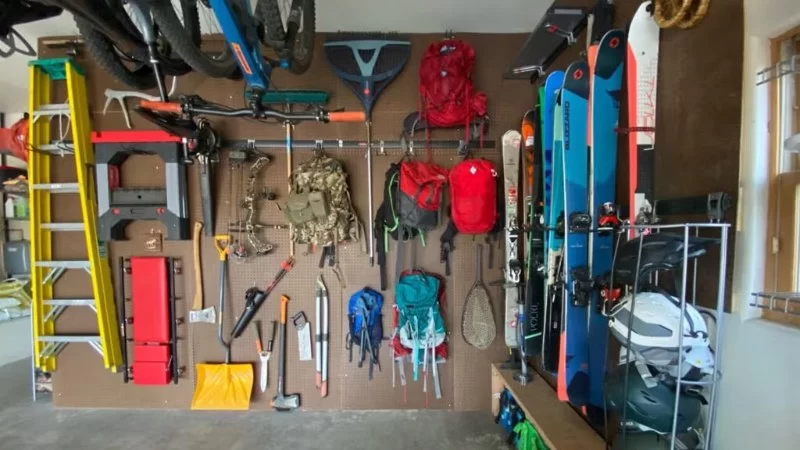
If you're limited on space inside your home, a garage or outdoor shed can be an excellent alternative. Just make sure the space is insulated and protected from the elements. Use airtight containers or waterproof bags to store smaller items like clothing and food. For larger items like tents and sleeping bags, keep them off the floor and away from direct sunlight.
5. Organizing Your Camping Gear for Easy Access
Proper organization is key to ensuring you can quickly find your gear when it's time for your next adventure. Invest in storage bins, labels, and clear plastic bags to organize smaller items like camping tools, food, and electronics. You can also use shelves and hooks to keep larger items like backpacks and tents off the floor.
5.1. Labeling and Sorting
Label your storage bins or bags so you know exactly where to find each item. Sort your gear by category (e.g., sleeping gear, cooking equipment, clothing) and label accordingly. This not only helps keep everything organized but also saves you time when you're packing for your next trip.
5.2. Creating an Inventory
Keeping an inventory of your camping gear is a great way to ensure you never forget an important item. Create a checklist of everything you own, and keep track of items that need to be replaced or repaired. This will help you stay on top of gear maintenance and ensure you're always prepared for your next camping adventure.
6. Conclusion
Properly storing and organizing your camping gear can extend its lifespan and ensure that you're always ready for your next trip. By following the best practices for cleaning, drying, and storing your equipment, you'll not only protect your investment but also keep your gear in top shape for future adventures. For more tips and the best camping gear, visit Camping Rural for expert recommendations and product suggestions.
 Yukon Trails Campground4.0 (188 reviews)
 Lodge Campground4.0 (43 reviews)
 Alpine Moblie Home Park4.0 (19 reviews)
 Rocky Pond Campground4.0 (104 reviews)
 Lover's Leap Campground4.0 (51 reviews)
 Sleepy Hollow RV Park3.0 (31 reviews)
 10 Must-Visit Campgrounds in the Midwest for Your Next Outdoor Adventure
 Romantic Camping Spots for Couples: Perfect Getaways in Nature
 Ultimate Guide to Off the Grid Camping in Remote Locations
 How to Cook Over a Campfire Safely for an Enjoyable Outdoor Experience
 Vanlife in Winter: My Personal Experience Living on the Road
 From City to Camp: My Journey to Nature and What I Learned