
- best-tips-for-camping-photography-landscape-wildlife-night-sky
- how-to-capture-beautiful-landscape-photos-while-camping
- wildlife-photography-tips-for-camping
- night-sky-photography-for-beginners
- essential-photography-gear-for-camping-trips
How to Take Memorable Photos on Your Camping Trip
Camping trips offer some of the most stunning opportunities for photography, whether you're capturing vast landscapes, close-up shots of wildlife, or the breathtaking night sky. But how do you make the most of your surroundings and create photos that will preserve your adventure for years to come? In this article, we’ll explore the best ways to take memorable photos during your camping trip, offering practical tips and advice for shooting landscapes, wildlife, and the night sky.
1. Capturing Beautiful Landscape Photos
When it comes to landscape photography, the goal is to capture the beauty of nature in a way that showcases the grandeur of your surroundings. Here are some tips to help you take stunning landscape photos on your camping trip:
1.1 The Right Timing and Lighting
Lighting plays a critical role in landscape photography. The "golden hour" — the period shortly after sunrise and just before sunset — offers the most flattering light. During this time, the soft, warm tones help to enhance the colors of the landscape, making the scene appear more vibrant. To achieve the best lighting, aim to get up early or head out in the late afternoon to capture the best moments of the day.
1.2 Composition Tips for Landscape Photos
To take a well-balanced landscape photo, use the rule of thirds. Imagine dividing your frame into nine equal parts by drawing two vertical and two horizontal lines. Place the key elements of your scene along these lines or at their intersections for a more dynamic composition. Try to include both foreground and background elements to add depth to your photos, such as a winding trail leading to a distant mountain.
1.3 Camera Settings for Landscape Photography
For crisp, clear landscape photos, use a small aperture (higher f-stop number, such as f/8 to f/16) to ensure a deep depth of field. Keep your ISO low (around 100 or 200) to avoid grainy images. Additionally, use a tripod to prevent camera shake and keep your shots sharp, especially during low-light conditions.
2. Wildlife Photography: Tips for Capturing Animals
Capturing wildlife in its natural habitat can be one of the most rewarding aspects of your camping trip. However, photographing animals requires patience and the right approach. Here are some tips to help you capture those elusive moments:
2.1 Be Quiet and Patient
Wildlife photography often requires patience. Animals are easily startled by noise, so approach your subject quietly, moving slowly and carefully. Spend some time observing the animals and wait for the right moment to take the shot. By being patient, you can capture natural behaviors and candid moments that bring your photos to life.
2.2 Use a Telephoto Lens
Wildlife can often be far away, so using a telephoto lens will help you get close-up shots without disturbing the animal. A lens with a focal length of at least 200mm is ideal for capturing animals in the wild. Make sure to adjust your camera settings, increasing the shutter speed to avoid motion blur while maintaining a low ISO to reduce noise.
2.3 Focus on Eye Contact
One of the most compelling aspects of wildlife photography is capturing the animal’s expression. Try to get eye contact between the animal and the camera, as this creates a stronger emotional connection for the viewer. Focus on the animal’s eyes to ensure sharpness, and use a wide aperture (low f-stop number) to create a beautiful blurred background that makes the subject stand out.
3. Night Sky Photography: A Beginner’s Guide
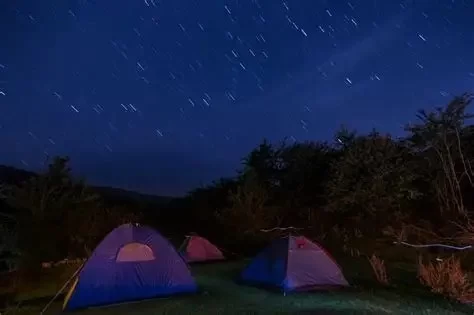
Night sky photography offers a unique challenge but can yield breathtaking results. Whether you're photographing the Milky Way, star trails, or the moon, capturing the night sky requires some special techniques. Here’s how to make the most of your night sky photography:
3.1 Use a Tripod
Since long exposure times are required for night sky photography, using a tripod is essential to keep your camera steady and avoid motion blur. A sturdy tripod will help prevent camera shake and ensure sharp, clear images of the stars.
3.2 Set Your Camera to Manual Mode
When shooting the night sky, switch your camera to manual mode to control the exposure settings. Start with an aperture of f/2.8 or lower to let in as much light as possible. Set the ISO to around 1600 to capture the stars while avoiding excessive noise. Experiment with exposure times of 20-30 seconds to capture the stars without trailing, and adjust as needed.
3.3 Focus on Infinity
When photographing the stars, set your focus to infinity to ensure that the stars appear sharp and well-defined. If your lens has a manual focus ring, adjust it to the infinity mark before starting your exposure. If you're unsure, use a flashlight to highlight a distant object to help you achieve proper focus.
4. Essential Photography Gear for Camping Trips
When you're heading out on a camping trip, having the right photography gear is essential to capture the perfect shot. Here’s what you should consider bringing along:
- Camera: A DSLR or mirrorless camera with manual settings is ideal for capturing stunning landscape and wildlife photos.
- Lenses: Bring a wide-angle lens (for landscapes and night sky photography) and a telephoto lens (for wildlife).
- Tripod: A lightweight but sturdy tripod is crucial for stability, especially in low-light conditions.
- Extra Batteries and Memory Cards: Make sure to have backups for extended shooting sessions.
- Lens Cleaning Kit: Dust and dirt can accumulate quickly while camping, so it’s important to keep your lenses clean.
Whether you're capturing the beauty of a breathtaking sunrise or the twinkling stars above, these photography tips will help you take memorable photos that showcase your camping adventure. If you’re looking for the best camping gear to enhance your photography experience, visit Camping Rural for top-quality products and services tailored to your outdoor needs.
 Pecan Village Mobile Home Comm3.0 (51 reviews)
 Lakeshore East4.0 (53 reviews)
 Valley View RV Park & Camping Near West Yellowstone4.0 (309 reviews)
 Horse Meadow Campground5.0 (24 reviews)
 Forest Lake Estates4.0 (72 reviews)
 Methodist Landing Recreational Park4.0 (9 reviews)
 10 Must-Visit Campgrounds in the Midwest for Your Next Outdoor Adventure
 Romantic Camping Spots for Couples: Perfect Getaways in Nature
 Ultimate Guide to Off the Grid Camping in Remote Locations
 How to Cook Over a Campfire Safely for an Enjoyable Outdoor Experience
 Vanlife in Winter: My Personal Experience Living on the Road
 From City to Camp: My Journey to Nature and What I Learned