
- campers-complete-guide-to-boondocking-tips-for-rv-travelers-expert
- what-is-boondocking-for-rv-travelers
- why-rv-travelers-love-boondocking
- essential-equipment-for-successful-boondocking
- water-power-and-waste-management-while-boondocking
- finding-safe-boondocking-locations-in-the-us
- real-life-rv-boondocking-story
- expert-tips-for-first-time-boondockers
1. Campers Complete Guide to Boondocking Tips For RV Travelers: Expert Insights
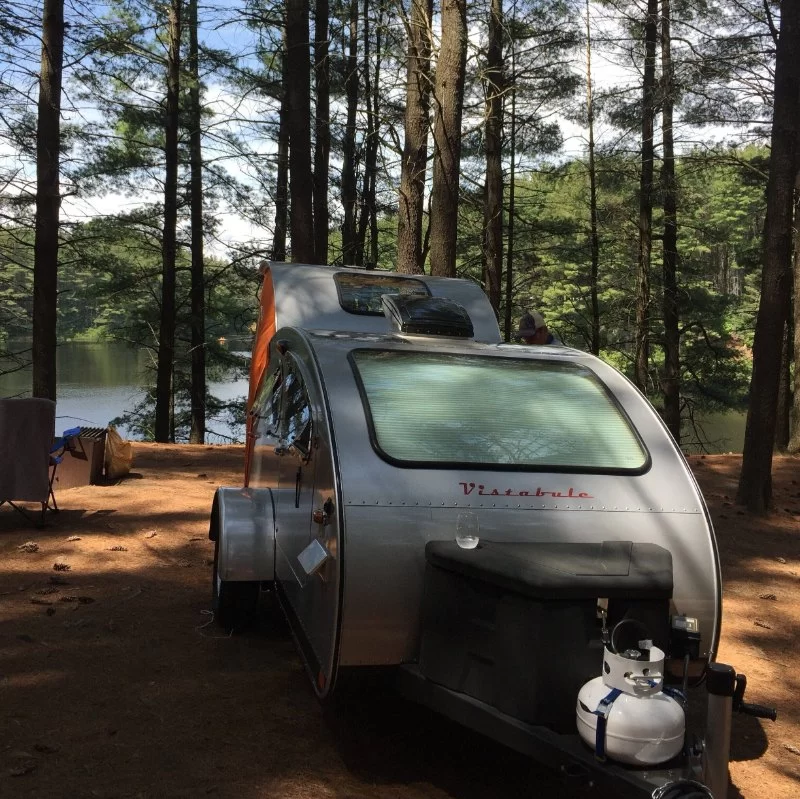
When I first started traveling across the United States in an RV, I assumed campgrounds were the only option. Hookups, reservations, crowded spaces, and strict check-in times felt like the standard routine. Then another traveler introduced me to the concept of boondocking. That moment changed the way I experienced RV travel forever.
This Campers Complete Guide to Boondocking Tips For RV Travelers: Expert advice is designed for anyone who wants to experience the freedom of camping off-grid. Boondocking allows RV travelers to stay in remote locations without hookups, often surrounded by incredible scenery and far away from crowded campsites.
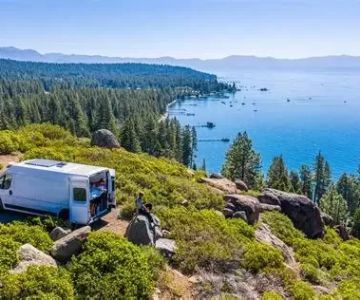
For many RV travelers in the United States, boondocking represents the true spirit of adventure. It means waking up next to desert landscapes, forest clearings, or mountain views without another RV in sight.
2. What Is Boondocking for RV Travelers?
2.1 Understanding the Concept
Boondocking refers to camping without hookups such as electricity, water, or sewer connections. Instead of staying at developed campgrounds, RV travelers rely on their own onboard resources.
This type of travel is often called dry camping, dispersed camping, or off-grid camping. It typically takes place on public lands managed by agencies such as the Bureau of Land Management or national forests.
2.2 Why It’s Becoming More Popular
In recent years, RV travel has surged across the United States. Many travelers discovered that traditional campgrounds often fill up quickly, especially during peak travel seasons.
Boondocking offers a solution. It allows campers to enjoy privacy, flexibility, and often free camping locations. I’ve personally met RV travelers who have spent months traveling the country using primarily boondocking sites.
3. Why RV Travelers Love Boondocking
3.1 Freedom and Flexibility
One of the biggest advantages of boondocking is flexibility. Without reservations or campground restrictions, travelers can stay where they feel most comfortable.
If a location feels crowded or weather conditions change, it’s easy to move on to the next destination.
3.2 Incredible Scenic Locations
Some of the most beautiful camping locations in America cannot be found inside traditional RV parks. Desert cliffs in Arizona, alpine lakes in Colorado, and remote forest roads in Montana are all popular boondocking spots.
These locations provide a connection with nature that is difficult to replicate in crowded campgrounds.
3.3 Cost Savings
Another major advantage is financial. Many boondocking sites are free, allowing RV travelers to extend trips without constantly paying campground fees.
Long-term RV travelers often rely heavily on boondocking to keep travel costs manageable.
4. Essential Equipment for Successful Boondocking
4.1 Solar Power Systems
Solar power has become one of the most important tools for modern RV boondocking. Solar panels allow campers to generate electricity for lights, refrigerators, and electronics.
Many experienced RV travelers install roof-mounted solar systems that keep batteries charged throughout the day.
4.2 Portable Water Storage
Water management is essential when camping off-grid. Carrying additional water containers can extend your stay by several days.
Some RV travelers bring portable water bladders that can be filled in nearby towns.
4.3 Battery Management
Efficient battery usage is another important factor. LED lighting, energy-efficient appliances, and careful power consumption help extend battery life.
Many RV travelers monitor battery levels carefully to avoid running out of power in remote locations.
5. Water, Power, and Waste Management While Boondocking
5.1 Conserving Water
When boondocking, water conservation becomes a daily habit. Shorter showers, efficient dishwashing, and careful usage can dramatically extend available water supply.
5.2 Managing Electricity
Using appliances wisely helps maintain battery power. Many experienced travelers limit high-energy devices like microwaves and electric heaters.
Solar energy combined with smart power usage often allows RV campers to stay off-grid for extended periods.
5.3 Waste Tank Management
Before heading into remote areas, it’s important to empty both gray and black tanks. Planning ahead ensures travelers don’t have to leave earlier than expected.
6. Finding Safe Boondocking Locations in the United States
6.1 Public Lands
Many of the best boondocking locations exist on federal lands such as Bureau of Land Management areas and national forests.
These lands often allow dispersed camping for up to 14 days in one location.
6.2 Apps and Online Communities
RV travelers frequently rely on community-driven apps and forums to discover safe locations. These platforms provide reviews, GPS coordinates, and advice from other travelers.
Travelers who want recommendations for remote camping destinations and outdoor travel resources can explore helpful insights through Camping Rural.
7. A Real Boondocking Story from the Road
During one trip through Utah, I met a retired couple who had been traveling full-time in their RV for three years. Instead of staying at traditional campgrounds, they relied almost entirely on boondocking.
They described waking up next to red rock cliffs, watching sunrise over desert valleys, and spending evenings under some of the darkest night skies they had ever seen.
They explained that learning proper boondocking techniques allowed them to travel farther and experience places most tourists never see.
8. Expert Tips for First-Time Boondockers
8.1 Start with Short Trips
If you are new to boondocking, start with one or two nights. This allows you to learn how your RV systems perform without hookups.
8.2 Always Check Weather Conditions
Remote locations can become dangerous during heavy rain or snow. Dirt roads may become difficult to navigate for large RVs.
8.3 Practice Leave No Trace Principles
Responsible campers protect natural environments by packing out trash, respecting wildlife, and minimizing environmental impact.
The most memorable RV adventures often happen far away from crowded campgrounds. With the right preparation, equipment, and knowledge, boondocking can transform a simple road trip into an unforgettable journey.
Travelers looking for outdoor camping ideas, off-grid travel inspiration, and gear recommendations often discover useful resources and guides through Camping Rural.
 River Ridge MHP4.0 (42 reviews)
 River Ranch0.0 (0 reviews)
 Williamsburg Manor Manufactured Home Community3.0 (100 reviews)
 The Honey Hut5.0 (4 reviews)
 Palos Verdes Shores MH & Golf Community4.0 (135 reviews)
 Clearcreek Mobile Home Park3.0 (76 reviews)
 10 Must-Visit Campgrounds in the Midwest for Your Next Outdoor Adventure
 Romantic Camping Spots for Couples: Perfect Getaways in Nature
 Ultimate Guide to Off the Grid Camping in Remote Locations
 How to Cook Over a Campfire Safely for an Enjoyable Outdoor Experience
 Vanlife in Winter: My Personal Experience Living on the Road
 From City to Camp: My Journey to Nature and What I Learned