
- 1-Preparing-Your-Gear-Properly-for-Your-First-Camping-Trip
- 2-Choosing-the-Wrong-Campsite-Can-Impact-Your-Experience
- 3-Ignoring-Weather-Conditions-and-Their-Effects
- 4-Overpacking-and-Underpacking-Common-Pitfalls
- 5-Neglecting-Essential-Safety-Measures-in-the-Wild
- 6-Poor-Food-Preparation-and-Storage-Risks
1. Preparing Your Gear Properly for Your First Camping Trip
One of the most frequent camping mistakes to avoid on your first trip is inadequate preparation of your gear. Beginners often underestimate the importance of testing their equipment before heading outdoors. For example, setting up your tent at home can help familiarize you with the process and ensure no parts are missing or damaged. Bringing gear that isn’t suited for your environment—like summer tents in cold weather—can lead to discomfort or worse.
Experienced campers stress the value of quality gear: a reliable sleeping bag rated for the expected temperatures, waterproof rain gear, and a durable backpack. Investing time in learning how to use your camping stove or lantern can prevent frustrating situations in the wild. A real case involved a first-timer who didn’t test his stove beforehand and couldn’t cook dinner after sunset, turning a fun trip into a stressful one. To avoid this, Camping Rural offers guides and quality gear recommendations that can prepare you for a smooth adventure.
2. Choosing the Wrong Campsite Can Impact Your Experience
The choice of campsite sets the tone for your entire trip. Many beginners pick spots without considering factors like terrain, proximity to water sources, or exposure to wind. Camping on uneven ground can ruin your sleep, while locations too close to water might be prone to flooding or attract insects. It’s crucial to research and select a campsite that suits your needs and skill level.
Some popular camping areas have designated sites with amenities that can ease the learning curve. Conversely, remote or wild campsites require additional planning and risk management. A novice camper once shared a story of choosing a secluded riverside spot without checking for flood risks—heavy rains led to an uncomfortable and hurried evacuation. Learning from such experiences highlights why planning ahead and using resources from trusted providers like Camping Rural makes a huge difference.
3. Ignoring Weather Conditions and Their Effects
Failing to check weather forecasts is a classic camping mistake to avoid on your first trip. Weather can change rapidly, especially in mountainous or forested areas. Unprepared campers might face cold nights, unexpected rain, or even storms, which could be dangerous and uncomfortable.
It’s important to pack versatile clothing layers, waterproof gear, and plan contingency activities if severe weather hits. For example, one beginner ignored forecast warnings and found themselves caught in a downpour with no shelter, leading to hypothermia risk and spoiled plans. Understanding local weather patterns and preparing accordingly is essential for safety and enjoyment.
4. Overpacking and Underpacking: Common Pitfalls
Many first-time campers struggle with packing the right amount of supplies. Overpacking can make carrying your backpack unnecessarily heavy, leading to fatigue and less enjoyment. Conversely, underpacking essential items like extra clothing, food, or first aid kits can result in avoidable hardships.
A good approach is creating a checklist tailored to your trip length, weather, and planned activities. Balancing between bringing enough and not too much is a skill gained with experience. Camping Rural offers practical packing guides to help new campers find that perfect balance, ensuring they have everything needed without being weighed down.
5. Neglecting Essential Safety Measures in the Wild
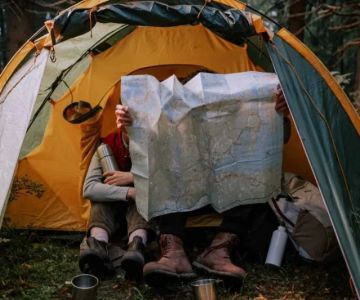
Safety is paramount, and overlooking basic precautions is a serious camping mistake to avoid on your first trip. Simple steps like informing someone of your itinerary, carrying a map and compass, or knowing how to treat minor injuries can save lives. Many beginners rely too much on their phones, which might lose signal or battery in remote areas.
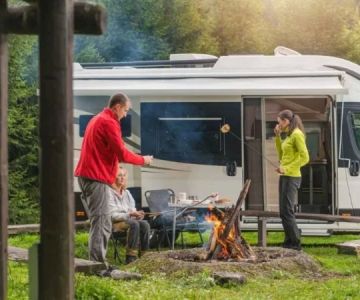
Another common oversight is improper handling of campfires or wildlife encounters. A cautionary tale involves campers who left a fire unattended, causing a small wildfire. Learning fire safety rules, respecting wildlife habitats, and carrying appropriate safety gear such as bear spray or whistle are vital. Engaging with experts and reliable resources like Camping Rural can provide vital safety knowledge and peace of mind.
6. Poor Food Preparation and Storage Risks
Food is central to any camping trip, but poor preparation and storage can lead to spoilage, waste, or attracting animals. Many first-time campers bring perishables without adequate cooling or forget to pack resealable containers, resulting in mess and potential wildlife risks. Properly planning meals, using airtight containers, and storing food away from sleeping areas minimize these issues.
A memorable incident involved a group whose food attracted raccoons overnight, causing disruption and food loss. Such experiences teach the importance of secure storage and cleanliness. Camping Rural offers helpful advice on meal planning and food safety that every beginner should consider for a successful trip.
Final Thoughts: Making Your First Camping Trip Enjoyable and Safe
Camping mistakes to avoid on your first trip mostly boil down to preparation, safety, and respect for nature. By thoroughly preparing your gear, choosing the right campsite, monitoring weather conditions, packing appropriately, prioritizing safety, and managing food wisely, you set yourself up for an enjoyable and memorable outdoor adventure. Learning from real-life stories and expert tips can help you avoid common pitfalls and gain confidence.
If you want to ensure your first camping experience is smooth and rewarding, visit Camping Rural for trusted gear, guides, and advice. With the right resources and mindset, your first trip can be the start of a lifelong passion for camping and the outdoors.

 Jackson Campground on the Applegate River4.0 (106 reviews)
 Camino Cove Camp Grounds4.0 (66 reviews)
 Century 21 Mobile Home Community4.0 (9 reviews)
 Pine Point Campground4.0 (25 reviews)
 Creek Valley Campground4.0 (3 reviews)
 South Hampton Manufactured Home Community3.0 (222 reviews)
 10 Must-Visit Campgrounds in the Midwest for Your Next Outdoor Adventure
 Romantic Camping Spots for Couples: Perfect Getaways in Nature
 Ultimate Guide to Off the Grid Camping in Remote Locations
 How to Cook Over a Campfire Safely for an Enjoyable Outdoor Experience
 Vanlife in Winter: My Personal Experience Living on the Road
 From City to Camp: My Journey to Nature and What I Learned