- 1-federal-lands
- 2-dispersed-camping-public-lands
- 3-state-and-local-regulations
- 4-private-land-camping
- 5-permits-and-fees
- 6-safety-and-ethics
1. Camping on Federal Lands
1.1. National Park and Forest Rules
When you wonder Can You Camp Anywhere in the U.S.?, the first stop is federal lands. National Parks, National Forests, and Bureau of Land Management (BLM) areas each have their own regulations. In most National Parks, camping is restricted to designated campgrounds, often requiring reservations during peak season. National Forests and BLM lands generally allow more flexibility, including dispersed camping in undeveloped areas.
1.2. Access and Reservations
1.2.1. Reservation Systems
Many parks use online reservation platforms to manage capacity and protect fragile ecosystems. Always check official park websites for reservation windows, cancellation policies, and group size limits.
1.2.2. Walk-up Permits
Some backcountry zones issue permits on arrival. Early mornings often yield the best chance to secure permits without advance booking—but this varies by region and season.
2. Dispersed Camping on Public Lands
2.1. Definition and Opportunities
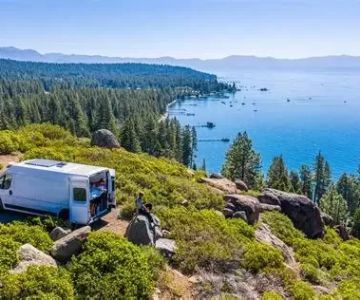
Dispersed camping means setting up camp outside formal campgrounds, usually on National Forest or BLM lands. There are no developed facilities—just you, your tent, and the wilderness. This style appeals to those seeking solitude and a deeper connection with nature.
2.2. Rules and Leave No Trace
2.2.1. Site Selection
Camp at least 200 feet from water sources and roads. Choose durable surfaces—rock, gravel, or dry grasses—to minimize environmental impact.
2.2.2. Waste Management
Pack out all trash and bury human waste at least six inches deep, 200 feet from campsites and water. Respecting Leave No Trace principles preserves wild spaces for future campers.
2.3. Case Story: Emily’s Solo Trip
Emily, a solo backpacker in Colorado’s San Isabel National Forest, found her perfect campsite overlooking a mountain meadow. By following dispersed camping rules—such as respecting wildlife corridors and packing out every scrap of litter—she left the area in pristine condition and enjoyed a week of uninterrupted starlit nights.
3. State and Local Camping Regulations
3.1. State Parks and Wildlife Areas
Each state manages its own park system. Some state parks allow backcountry camping with permits; others confine campers to developed sites with amenities. Wildlife management areas may permit free camping but often enforce seasonal closures to protect breeding or migration patterns.
3.2. County and Municipal Rules
Counties and cities sometimes offer urban camping zones or RV parks. Noise ordinances, pet restrictions, and curfews can apply, so always verify local regulations before pitching a tent in a county park or fairground.
4. Camping on Private Lands
4.1. Campgrounds and RV Parks
Privately owned campgrounds and RV parks provide amenities like electric hookups, showers, and Wi-Fi. Fees vary by location and season, but these sites offer security and community atmosphere for families or first-time campers.
4.2. Farm and Ranch Stays
Platforms connecting landowners with campers have grown in popularity. You can pitch a tent on working farms or ranches—enjoy homegrown produce, stargazing, and a taste of rural life. Check reviews and property rules carefully to ensure a positive experience.
5. Permits and Fees
5.1. When Permits Are Required
- Backcountry Wilderness: Overnight stays in designated wilderness areas almost always require permits, often free or low-cost.
- Special Events and Group Camping: Larger groups may need additional permits for campsites and fire rings.
5.2. Fee Structures
5.2.1. Daily Use Fees
Many campgrounds charge per vehicle or per person, ranging from $5 to $30 per night. Bundled park passes can offer savings if you plan multiple trips.
5.2.2. Permit Penalties
Camping without required permits can result in fines or removal from the site. Always secure necessary approvals before arrival.
6. Safety and Ethical Considerations
6.1. Wildlife and Weather Hazards
Bear-resistant containers, proper food storage, and awareness of weather forecasts are vital. Sudden storms or wildlife encounters can turn a fun trip into a dangerous situation if unprepared.
6.2. Leave No Trace and Community Respect
Respect fellow campers and local residents by keeping noise low, camping only where allowed, and repairing any damage you cause. Ethical camping preserves both natural spaces and community goodwill.
 Upson Falls campground4.0 (68 reviews)
 Stable View Cottages4.0 (24 reviews)
 RV Oasis5.0 (1 reviews)
 Hilltop RV Park4.0 (206 reviews)
 La Porte Village3.0 (115 reviews)
 Bass Lake Camp Ground4.0 (140 reviews)
 10 Must-Visit Campgrounds in the Midwest for Your Next Outdoor Adventure
 Romantic Camping Spots for Couples: Perfect Getaways in Nature
 Ultimate Guide to Off the Grid Camping in Remote Locations
 How to Cook Over a Campfire Safely for an Enjoyable Outdoor Experience
 Vanlife in Winter: My Personal Experience Living on the Road
 From City to Camp: My Journey to Nature and What I Learned