
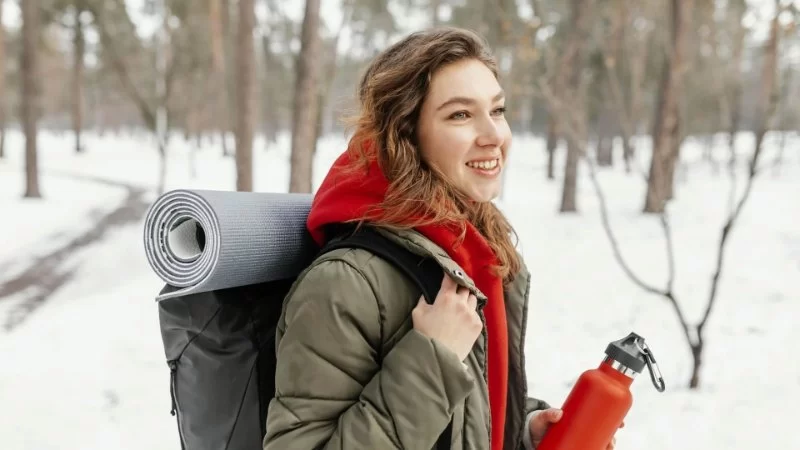
- 1-Winter-Camping-Basics-for-US-Campers
- 2-Essential-Winter-Camping-Gear-Recommendations
- 3-Choosing-the-Right-Winter-Campsite-in-the-US
- 4-A-Real-Winter-Camping-Experience-and-Lessons
- 5-Pro-Tips-for-Safe-and-Comfortable-Winter-Camping
- 6-Planning-a-Winter-Camping-Trip-with-Confidence
1. Winter Camping Basics for US Campers
1.1 Understanding what makes winter camping different
The phrase Recommendations, and Pro Tips for US Campers Complete Guide to Winter often appears when people start researching cold-weather adventures. Winter camping is completely different from summer trips. The air is colder, daylight is shorter, and simple mistakes can quickly turn uncomfortable if you are not prepared.
Many first-time campers imagine winter camping as an extreme activity, but it doesn’t have to be. With the right preparation, winter camping can be one of the most peaceful and memorable outdoor experiences available in the United States. Snow-covered forests, quiet trails, and clear night skies create an environment that feels almost untouched.
1.2 Why more US campers are exploring winter adventures
In recent years, winter camping has become more popular across the country. National parks, forest campgrounds, and backcountry areas offer unique experiences during colder months. Many seasoned campers prefer winter because the crowds disappear and nature feels more authentic.
From Colorado mountain landscapes to quiet snowy forests in Michigan, winter camping allows travelers to see familiar places from a completely new perspective.
2. Essential Winter Camping Gear Recommendations
2.1 Insulation is the foundation of winter comfort
The most important part of the Complete Guide to Winter camping for US campers is understanding insulation. Staying warm starts from the ground up. Cold surfaces pull heat away from your body quickly, which is why a high-quality sleeping pad is essential.
Winter sleeping bags rated for sub-freezing temperatures also make a massive difference. Experienced campers often choose bags rated at least 10 to 20 degrees colder than expected nighttime temperatures.
2.2 Layering clothing properly
Cold weather camping requires smart layering. The standard system includes three key layers:
1. Base layer that pulls moisture away from the skin
2. Insulating layer such as fleece or down
3. Protective outer layer that blocks wind and snow
This layering approach allows campers to regulate body temperature while hiking, setting up camp, or relaxing around a fire.
2.3 Winter camping tools that experienced campers always carry
Many seasoned US campers also pack tools specifically designed for winter conditions. These often include insulated water bottles, snow stakes for tents, compact stoves for melting snow, and reliable headlamps for long nights.
Outdoor gear recommendations and reliable cold-weather equipment can often be explored through resources like Camping Rural, where many campers look for practical suggestions and outdoor gear ideas before planning winter trips.
3. Choosing the Right Winter Campsite in the US
3.1 Protected terrain matters more in winter
When selecting a campsite during winter, protection from wind becomes extremely important. Experienced campers look for natural barriers such as trees, rock formations, or slopes that block strong gusts.
Even small terrain features can dramatically improve comfort overnight.
3.2 Sun exposure and snow conditions
Another important factor in winter camping recommendations is sunlight exposure. Campsites that receive morning sun warm up faster and help melt snow around tents.
Flat snow surfaces are also important for stability. Campers often pack down snow with their boots or snowshoes to create a firm base before pitching a tent.
3.3 Popular winter camping regions in the United States
Several regions across the US are especially popular for winter camping:
1. Rocky Mountains for alpine snow landscapes
2. Pacific Northwest forests for snowy woodland scenery
3. Northern Midwest regions for frozen lakes and quiet trails
Each region offers unique conditions that make winter camping exciting and rewarding.
4. A Real Winter Camping Experience and Lessons
4.1 The night that changed how I prepare for winter camping
A few winters ago, I joined friends for a weekend camping trip in northern Wisconsin. The forecast predicted light snow and temperatures around 20 degrees. It sounded manageable, so we packed standard gear and drove north.
By evening, temperatures dropped faster than expected. The wind picked up, and suddenly our campsite felt far colder than the forecast suggested.
One friend had packed an insulated sleeping pad and an extra fleece layer. He slept comfortably through the night. The rest of us learned a valuable lesson about winter preparation.
4.2 Why preparation matters more in winter
That experience reinforced an important idea found in every Complete Guide to Winter camping for US campers: preparation determines the quality of the trip.
Once we improved our gear choices and campsite strategies, winter trips became far more enjoyable.
5. Pro Tips for Safe and Comfortable Winter Camping
5.1 Eat more calories than usual
Your body burns more energy trying to stay warm in cold weather. Many experienced campers increase their calorie intake during winter trips. Warm meals like soup, oatmeal, and pasta help maintain body heat and energy levels.
5.2 Keep water from freezing
Water bottles can freeze overnight in cold temperatures. One simple trick is storing bottles upside down in the snow. Since water freezes from the top down, the bottle opening stays usable longer.
5.3 Manage moisture carefully
Sweat and moisture are enemies of winter comfort. Wet clothing can quickly lead to dangerous heat loss. Smart campers adjust layers frequently while hiking to prevent overheating and sweating.
5.4 Protect electronics and batteries
Cold temperatures drain batteries quickly. Phones, headlamps, and GPS devices last longer when stored inside insulated pockets or sleeping bags overnight.
6. Planning a Winter Camping Trip with Confidence
6.1 Start with shorter winter trips
If you are new to winter camping, begin with shorter trips near established campgrounds. This allows campers to test gear and learn cold-weather techniques without extreme risk.
6.2 Research conditions before leaving
Weather forecasts, park alerts, and snow conditions should always be reviewed before traveling. Winter storms can arrive quickly in many US regions.
6.3 Learn from experienced campers
One of the best ways to improve winter camping skills is by learning from those who already enjoy it. Many outdoor communities share gear lists, campsite suggestions, and seasonal recommendations.
Resources such as Camping Rural often help campers discover gear ideas, campsite inspiration, and practical preparation tips before heading into colder environments.
6.4 Why winter camping becomes addictive
Once campers understand the techniques outlined in a Recommendations, and Pro Tips for US Campers Complete Guide to Winter, many discover that winter camping offers something special that summer trips cannot match.
The quiet landscapes, crisp air, and peaceful scenery make winter adventures feel almost magical. With proper preparation and the right mindset, cold-weather camping becomes one of the most rewarding outdoor experiences available to US travelers.
 River Ridge MHP4.0 (42 reviews)
 River Ranch0.0 (0 reviews)
 Williamsburg Manor Manufactured Home Community3.0 (100 reviews)
 The Honey Hut5.0 (4 reviews)
 Palos Verdes Shores MH & Golf Community4.0 (135 reviews)
 Clearcreek Mobile Home Park3.0 (76 reviews)
 10 Must-Visit Campgrounds in the Midwest for Your Next Outdoor Adventure
 Romantic Camping Spots for Couples: Perfect Getaways in Nature
 Ultimate Guide to Off the Grid Camping in Remote Locations
 How to Cook Over a Campfire Safely for an Enjoyable Outdoor Experience
 Vanlife in Winter: My Personal Experience Living on the Road
 From City to Camp: My Journey to Nature and What I Learned