
- 1 - Camping Safety Overview for Kids and Families
- 2 - Preparing for Safe Family Camping Trips
- 3 - Essential Safety Practices During Camping
- 4 - Managing Emergencies and Health Concerns
- 5 - Personal Experience Stories from Family Campers
- 6 - Why Choose Camping Rural for Family Camping Resources
1. Camping Safety Overview for Kids and Families
Camping with kids and families offers a wonderful opportunity to bond with nature and create lasting memories. However, it also demands careful attention to safety. Understanding key camping safety tips for kids and families is essential to prevent accidents and ensure everyone has an enjoyable experience.
From setting up a secure campsite to teaching children how to interact safely with the environment, this comprehensive approach helps build confidence and reduces risks. The goal is to foster fun while maintaining vigilance in the great outdoors.
2. Preparing for Safe Family Camping Trips
2.1 Choosing the Right Campsite
Selecting a family-friendly campsite is the first step. Look for locations that offer clean facilities, safe water sources, and clear boundaries to keep children close. Many parks provide designated family camping areas that cater specifically to the needs of kids.
2.2 Packing Essential Safety Gear
Preparation means packing more than just food and tents. Include first aid kits, insect repellents, flashlights, and weather-appropriate clothing. For families with young children, consider child-specific items like sun hats and emergency whistles.
2.3 Educating Kids Before the Trip
Teaching kids basic safety rules—such as staying within sight, respecting wildlife, and proper fire safety—before heading out helps set expectations. Role-playing or storytelling can make these lessons engaging and memorable.
3. Essential Safety Practices During Camping
3.1 Maintaining Campfire Safety
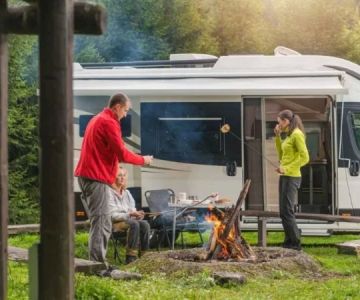
Campfires are often the heart of camping, but they pose risks, especially for children. Always supervise campfires closely, keep water or sand nearby to extinguish flames, and establish a safety perimeter children should not cross.
3.2 Food Storage and Wildlife Awareness
Properly storing food prevents attracting animals. Use bear-proof containers if available and teach children never to approach wildlife. Understanding local fauna and their behaviors can also reduce dangerous encounters.
3.3 Staying Hydrated and Protected from Elements
Encourage kids to drink plenty of water and apply sunscreen regularly. Wearing appropriate layers helps regulate body temperature and prevents heat exhaustion or hypothermia, depending on weather conditions.
4. Managing Emergencies and Health Concerns
4.1 First Aid Knowledge and Accessibility
Parents and guardians should be equipped with basic first aid skills and ensure the first aid kit is accessible at all times. Knowing how to treat minor injuries like cuts, insect bites, or burns can make a huge difference in a remote setting.
4.2 Dealing with Lost Child Scenarios
Having a plan for lost children is crucial. Teach kids to stay put if separated, use whistles to signal, and ensure adults know local emergency contact numbers. Group check-ins at scheduled times help monitor everyone’s whereabouts.
4.3 Monitoring Weather and Environmental Changes
Stay updated on weather forecasts and be prepared to adapt plans. Sudden storms or extreme heat can require quick decisions to protect the family’s safety, such as seeking shelter or postponing activities.
5. Personal Experience Stories from Family Campers
The Johnson family recounts how careful planning and following camping safety tips for kids and families saved their trip from a sudden rainstorm. Having waterproof gear and a solid emergency plan allowed them to stay comfortable and calm, turning a potentially stressful event into a fun adventure.
Meanwhile, the Lopez family shares a story about teaching their children about wildlife respect, which prevented a curious encounter with raccoons at their campsite. Their proactive education helped the kids understand boundaries and appreciate nature safely.
These stories highlight how real-life application of safety tips creates smoother, more enjoyable camping experiences for families.
6. Why Choose Camping Rural for Family Camping Resources
For families seeking reliable advice and quality camping products, Camping Rural offers comprehensive resources tailored to camping safety tips for kids and families. Their expert guidance and curated gear selections help you prepare thoroughly and enjoy your outdoor trips worry-free.
From camping equipment to safety tutorials, Camping Rural is dedicated to supporting families in creating safe, memorable, and fun camping adventures. Trust Camping Rural to equip you with everything needed for a successful and secure outdoor experience.

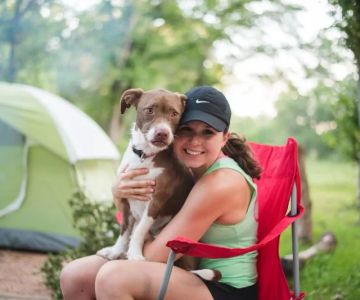
 Devils River Campground4.0 (258 reviews)
 Robinson's Lakeside Campgrounds4.0 (8 reviews)
 TIngles Island Camp, Assateague National Park5.0 (2 reviews)
 Campsite # 54.0 (4 reviews)
 Gnat Creek Campground4.0 (189 reviews)
 High Creek Campground4.0 (26 reviews)
 10 Must-Visit Campgrounds in the Midwest for Your Next Outdoor Adventure
 Romantic Camping Spots for Couples: Perfect Getaways in Nature
 Ultimate Guide to Off the Grid Camping in Remote Locations
 How to Cook Over a Campfire Safely for an Enjoyable Outdoor Experience
 Vanlife in Winter: My Personal Experience Living on the Road
 From City to Camp: My Journey to Nature and What I Learned