- #understanding-free-camping - dispersed-camping-basics - what-is-boondocking
- #where-to-find-free-camping - blm-lands - national-forests - recreation-areas
- #preparing-for-a-trip - equipment-essentials - safety-and-etiquette
- #rules-and-regulations - permits - camping-limits - environmental-responsibility
- #real-life-experiences - stories-from-campers - lessons-learned
- #expert-advice - camping-rural-recommendations - planning-your-next-trip
1. Understanding Free Camping and the Appeal of the Wild
1.1 What is dispersed camping?
Dispersed camping refers to camping outside of designated campgrounds, typically on public lands managed by agencies like the Bureau of Land Management (BLM) or the U.S. Forest Service. Unlike paid campgrounds, dispersed camping doesn’t include amenities such as bathrooms, fire rings, or trash services. Instead, it offers solitude, freedom, and the chance to connect deeply with nature.
1.2 Boondocking: the off-grid experience
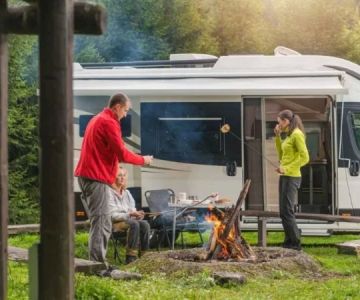
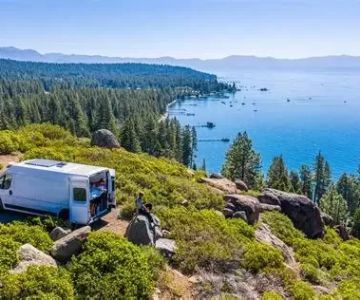
Boondocking is essentially dispersed camping in a self-contained vehicle — such as an RV, van, or camper. Campers rely on their own power, water, and waste systems, making it the ultimate off-grid experience. Boondocking allows travelers to stay in scenic, remote areas for free while maintaining minimal impact on the environment.
2. Where to Find Free Camping in the US
2.1 Bureau of Land Management (BLM) lands
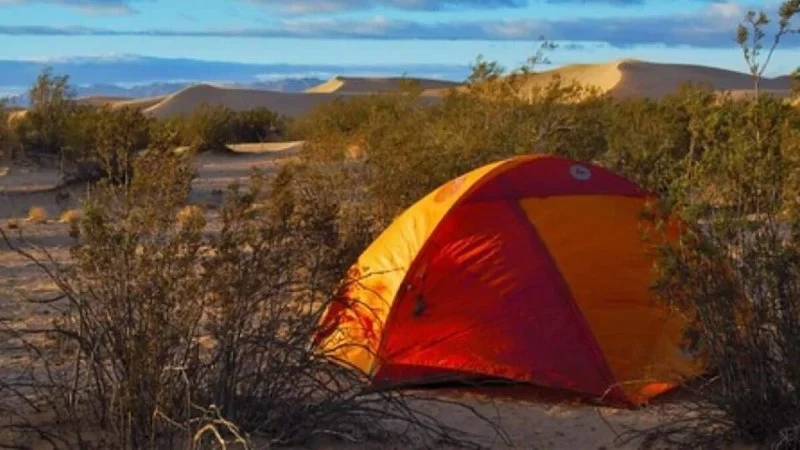
BLM lands cover over 245 million acres across the United States, offering some of the best opportunities for free camping. Popular states for BLM camping include Arizona, Utah, and Nevada, where vast desert landscapes provide incredible sunset views and quiet nights under the stars. Campers can typically stay up to 14 days in one location before moving to another spot.
2.2 National Forests and Grasslands
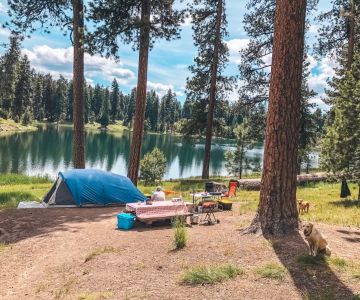
National Forests are another excellent option for dispersed camping. From the towering pines of Colorado’s San Juan National Forest to the lush greenery of Oregon’s Willamette, these areas provide diverse ecosystems and endless adventure. It’s important to camp at least 100 feet from water sources and follow “Leave No Trace” principles to preserve the environment.
2.3 Other public lands and recreation areas
Many U.S. Army Corps of Engineers properties, state forest lands, and wildlife management areas allow free or low-cost camping. Though less known than BLM or National Forest sites, they often provide peaceful, scenic locations for those willing to explore. Check local ranger stations or apps like iOverlander and FreeCampsites.net for real-time information about open spots and road conditions.
3. Preparing for a Dispersed Camping Adventure
3.1 Essential gear for dispersed camping
Because free camping lacks facilities, preparation is key. Essential gear includes a reliable tent or RV setup, water filtration system, solar charger, shovel, and waste disposal bags. A GPS device or offline maps are also important, as cell service can be limited in remote areas. Camping Rural recommends always carrying extra fuel, food, and first-aid supplies, especially when venturing deep into wilderness areas.
3.2 Safety, respect, and camping etiquette
Free camping comes with a shared responsibility to protect natural spaces. Always pack out trash, minimize campfire use, and avoid disturbing wildlife. Safety should also be a top priority: inform someone of your location, check weather forecasts, and be aware of local fire restrictions. Responsible behavior ensures that these lands remain accessible for future campers.
4. Understanding the Rules and Regulations
4.1 Permits and stay limits
While most dispersed camping areas are free, certain regions require permits — especially near high-traffic zones or national monuments. The typical stay limit is 14 days within a 28-day period, though this varies by state and managing agency. Check with local ranger offices for up-to-date rules before setting up camp to avoid fines or closures.
4.2 Environmental impact and responsible camping
Public lands are shared resources, so respecting them is crucial. Avoid creating new fire pits or campsites, and use existing clearings whenever possible. Campers should avoid using soaps or chemicals near streams, as even biodegradable products can harm aquatic ecosystems. Adhering to “Leave No Trace” ethics helps maintain the beauty and balance of these wild spaces.
4.3 Protecting wildlife and minimizing disturbance
Wildlife encounters are part of the adventure — but should be approached respectfully. Keep food sealed and stored securely to prevent attracting animals, and never feed them. In some areas, noise restrictions exist to maintain the tranquility of natural habitats. The best dispersed campers are those who leave no trace of their visit, preserving nature’s quiet magic.
5. Real-Life Stories from the Road
5.1 Travelers’ tales and lessons learned
Many seasoned campers recall their first time boondocking as both humbling and exhilarating. A couple traveling through Utah shared how a spontaneous detour led them to a secluded canyon outside Moab — no crowds, no fees, just the sound of wind and desert silence. Such stories highlight the rewards of self-reliance and exploration that free camping offers.
5.2 Common mistakes and how to avoid them
First-time campers often underestimate preparation. Running out of water, ignoring road conditions, or camping too close to rivers can turn an adventure into a challenge. Experienced boondockers recommend checking weather and terrain ahead of time and always carrying a backup plan — especially when roads turn muddy or gates unexpectedly close.
6. Expert Tips from 【Camping Rural 】
6.1 Choosing the right location
Camping Rural experts suggest starting with easily accessible dispersed sites before venturing into more remote territories. Apps, online maps, and ranger stations provide updated guidance about open areas and recent restrictions. The best free camping spots combine accessibility with natural beauty, often just off forest service roads or near lesser-known trailheads.
6.2 Planning your next adventure
For campers seeking a balance between affordability and adventure, dispersed camping and boondocking offer unmatched freedom. With the right gear, preparation, and respect for nature, free camping can become a lifelong passion. To explore top-rated outdoor products, camping gear, and destination advice, visit Camping Rural for trusted insights into the wildest corners of America.
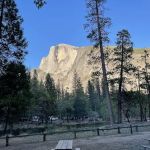 Lower Pines Campground4.0 (239 reviews)
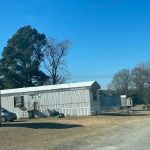 Americus Estates3.0 (3 reviews)
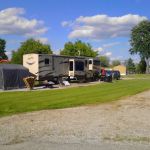 Rollin On The River RV Park4.0 (18 reviews)
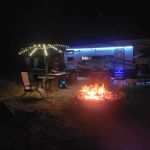 In The Woods RV park and Storage5.0 (31 reviews)
 Park Rose RV3.0 (33 reviews)
 Rocky Pond Campground4.0 (104 reviews)
 10 Must-Visit Campgrounds in the Midwest for Your Next Outdoor Adventure
 Romantic Camping Spots for Couples: Perfect Getaways in Nature
 Ultimate Guide to Off the Grid Camping in Remote Locations
 How to Cook Over a Campfire Safely for an Enjoyable Outdoor Experience
 Vanlife in Winter: My Personal Experience Living on the Road
 From City to Camp: My Journey to Nature and What I Learned