
- 1-Defining-Glamping-and-Traditional-Camping
- 2-Comfort-and-Convenience-in-Glamping
- 3-Authenticity-and-Adventure-of-Traditional-Camping
- 4-Environmental-Impact-Considerations
- 5-Cost-Comparison-Between-Glamping-and-Traditional-Camping
- 6-Personal-Experiences-from-Glamping-and-Camping-Enthusiasts
1. Defining Glamping and Traditional Camping
Understanding the core differences between glamping and traditional camping is essential before weighing their pros and cons. Glamping, a blend of “glamorous” and “camping,” offers an upscale outdoor experience often involving furnished tents, cabins, or yurts equipped with modern amenities. It appeals to those seeking nature immersion without sacrificing comfort.
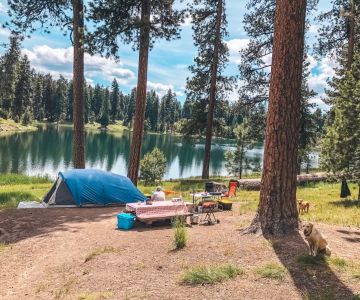
Traditional camping, on the other hand, emphasizes simplicity and self-reliance. Campers bring their own gear such as tents, sleeping bags, and cooking supplies, embracing a raw connection with nature. This form requires more preparation and adaptability, catering to outdoor enthusiasts who prioritize adventure and authenticity.
2. Comfort and Convenience in Glamping
One of the main pros of glamping is the high level of comfort it provides. Luxurious bedding, electricity, climate control, and sometimes private bathrooms transform the outdoor experience. This makes glamping ideal for families, beginners, or those who want to enjoy nature without roughing it.
Moreover, glamping sites often offer curated experiences, from gourmet meals to guided tours, minimizing planning stress. However, the trade-off is that some purists feel this convenience distances campers from the authentic outdoor experience, limiting their sense of self-sufficiency and immersion.
3. Authenticity and Adventure of Traditional Camping
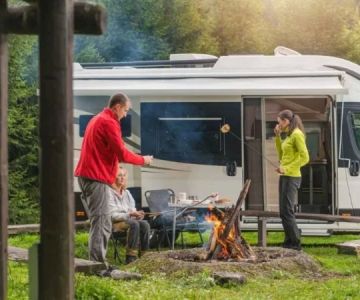
Traditional camping’s greatest strength lies in its authenticity. Setting up your own tent, building a campfire, and cooking outdoors foster a sense of accomplishment and deep connection to nature. For many, these challenges enhance the overall experience and create lasting memories.
However, the flip side includes exposure to unpredictable weather, bugs, and physical discomforts. This can be daunting for novices or those with limited time, but seasoned campers often embrace these aspects as part of the adventure.
4. Environmental Impact Considerations
Both glamping and traditional camping have environmental footprints that should be considered. Traditional camping, when done responsibly, usually has minimal impact, relying on “leave no trace” principles. Conversely, glamping infrastructures may require construction, utilities, and maintenance, potentially affecting natural habitats.
Choosing eco-friendly glamping sites and adhering to sustainable practices helps mitigate negative effects. Being mindful of environmental impact aligns with a growing trend among outdoor enthusiasts who want to preserve natural spaces for future generations.
5. Cost Comparison Between Glamping and Traditional Camping
Cost is often a deciding factor. Traditional camping tends to be more budget-friendly, especially for those who already own gear. Campsite fees are usually low, making it accessible to a wide audience. Glamping, however, often involves premium pricing due to added amenities and services, positioning it as a luxury option.
Budget-conscious travelers may find traditional camping more sustainable, while those prioritizing comfort might view glamping’s price as justified. Both styles offer value depending on personal preferences and trip goals.
6. Personal Experiences from Glamping and Camping Enthusiasts
Stories from outdoor lovers reveal the nuanced appeal of both approaches. Emily, a busy professional, found glamping at a site recommended by Camping Rural allowed her to unwind comfortably without sacrificing the thrill of the outdoors. Meanwhile, Jake, an avid camper, shared how traditional camping taught him survival skills and offered priceless moments around a campfire.
These experiences highlight that the choice between glamping and traditional camping depends on lifestyle, expectations, and the type of connection one seeks with nature. Platforms like Camping Rural offer resources and recommendations that help outdoor enthusiasts find the best fit.
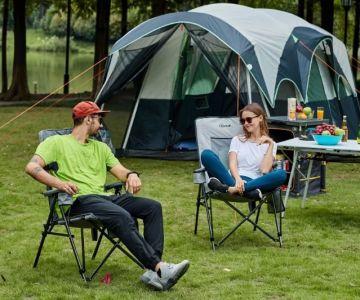

 Hudson Bend RV Park Inc3.0 (28 reviews)
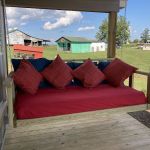 Black Water Junction Cabin5.0 (2 reviews)
 Vineyard Estates4.0 (38 reviews)
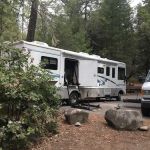 Indian Valley Campground4.0 (50 reviews)
 Shady Acres ATV Campground5.0 (4 reviews)
 Lake Shore 55+ Manufactured Home Community4.0 (25 reviews)
 10 Must-Visit Campgrounds in the Midwest for Your Next Outdoor Adventure
 Romantic Camping Spots for Couples: Perfect Getaways in Nature
 Ultimate Guide to Off the Grid Camping in Remote Locations
 How to Cook Over a Campfire Safely for an Enjoyable Outdoor Experience
 Vanlife in Winter: My Personal Experience Living on the Road
 From City to Camp: My Journey to Nature and What I Learned