
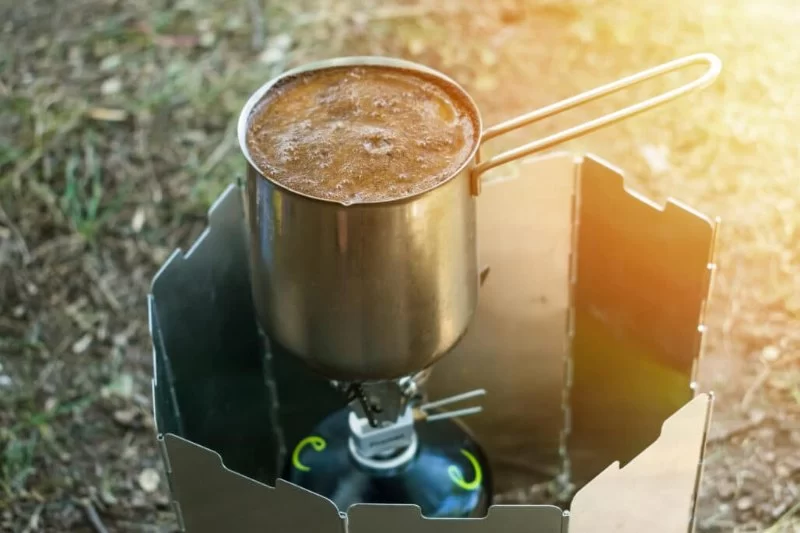
- 1 - Why-fuel-choice-matters
- 2 - Understanding-isobutane-fuel
- 3 - Understanding-propane-fuel
- 4 - Head-to-head-comparison
- 5 - Real-camper-experiences
- 6 - Expert-tips-for-fuel-selection
- 7 - Making-your-choice-with-confidence
1 - Why Fuel Choice Matters
When planning a backpacking trip, food is often the highlight of the day. Knowing how to choose the right backpacking stove fuel determines whether you’ll enjoy a hot, hearty meal or struggle with undercooked noodles. The debate between isobutane and propane isn’t just technical—it’s about efficiency, reliability, and the comfort of your adventure. Picking the right option makes the difference between a smooth trip and an uncomfortable one.
1.1 The Role of Stove Fuel in Outdoor Success
Backpackers rely on stove fuel for quick hydration of meals, brewing morning coffee, and staying warm in challenging conditions. Without dependable fuel, even the most beautiful campsite feels incomplete.
2 - Understanding Isobutane Fuel
Isobutane is a common choice among lightweight backpackers. It comes in compact canisters designed to work with screw-on stoves. Known for its portability and efficiency, it’s popular for short trips in moderate climates.
2.1 Advantages of Isobutane
Its sealed canisters are easy to carry, quick to set up, and minimize spillage. Isobutane performs consistently in mild temperatures, making it ideal for three-season camping.
2.2 Limitations of Isobutane
In freezing temperatures, isobutane loses pressure and burns inefficiently. Campers heading into winter conditions may find their morning coffee takes forever to boil. Availability in remote areas can also be limited compared to propane.
3 - Understanding Propane Fuel
Propane is a powerhouse in the world of backpacking stove fuels. It’s widely available and effective in cold conditions. Unlike isobutane, propane maintains strong pressure even in freezing temperatures.
3.1 Advantages of Propane
It delivers steady, hot flames and works well for group cooking where multiple meals need to be prepared quickly. Propane is also easier to find in outdoor stores and gas stations across the U.S.
3.2 Limitations of Propane
The main drawback is its heavier steel canisters, which can add noticeable weight to your pack. For solo hikers counting ounces, propane can feel burdensome.
4 - Head-to-Head Comparison
Is isobutane or propane better? The answer depends on your destination, season, and cooking style.
4.1 Weight vs Performance
Isobutane wins in lightweight portability, while propane dominates in reliability during extreme conditions. The choice boils down to what you value more—saving weight or ensuring high performance.
4.2 Availability and Cost
Propane is usually cheaper and easier to find nationwide. Isobutane may require specialty shops, which is worth considering when traveling to remote trailheads.
4.3 Safety and Ease of Use
Both fuels are safe when handled properly. Isobutane’s smaller canisters are user-friendly, while propane canisters require sturdier gear but deliver higher output.
5 - Real Camper Experiences
One hiker shared online how isobutane served them well during a summer trek in Colorado, keeping meals simple and packs light. In contrast, a group of winter campers in the Adirondacks relied on propane to boil water in below-freezing temperatures—while other campers with isobutane stoves struggled. These stories highlight why the right choice matters for your specific adventure.
6 - Expert Tips for Fuel Selection
Experts recommend considering your environment first. If you’re camping in colder months or high elevations, propane is more dependable. For warm-weather backpacking, isobutane keeps packs light without sacrificing convenience. Always test your stove and fuel combination before heading out to avoid surprises in the wild. For high-quality gear and reliable fuel options, many outdoor enthusiasts turn to 【Camping Rural 】 for tailored recommendations.
7 - Making Your Choice with Confidence
Guide to choosing the right backpacking stove fuel: is isobutane or propane better? Ultimately, the decision lies in matching your trip’s demands with each fuel’s strengths. Lightweight solo trips may lean toward isobutane, while group or cold-weather adventures often call for propane. With preparation, knowledge, and the right equipment, your stove will be a trusted companion wherever the trail leads.


 Rye Camp4.0 (33 reviews)
 Ennis Mobile Home Park3.0 (62 reviews)
 The Acres0.0 (0 reviews)
 Stagecoach Campground4.0 (3 reviews)
 Encore Fort Myers Beach3.0 (292 reviews)
 Allegheny Site Management4.0 (5 reviews)
 10 Must-Visit Campgrounds in the Midwest for Your Next Outdoor Adventure
 Romantic Camping Spots for Couples: Perfect Getaways in Nature
 Ultimate Guide to Off the Grid Camping in Remote Locations
 How to Cook Over a Campfire Safely for an Enjoyable Outdoor Experience
 Vanlife in Winter: My Personal Experience Living on the Road
 From City to Camp: My Journey to Nature and What I Learned