
- 1 - Preparing for Your Hiking and Camping Trip
- 2 - Essential Gear and Equipment for Safety
- 3 - Safety Tips for Hiking in the Wilderness
- 4 - Camping Safety Best Practices
- 5 - Managing Emergencies and First Aid
- 6 - Real-Life Stories Highlight the Importance of Preparedness
- 7 - Why Choose Camping Rural for Your Outdoor Needs
1. Preparing for Your Hiking and Camping Trip
Preparation is the cornerstone of safe and successful outdoor adventures. Before hitting the trails or setting up camp, researching the area, weather conditions, and trail difficulty is crucial. Informing someone of your itinerary and expected return time adds an extra layer of safety.
Proper planning minimizes risks and maximizes your enjoyment during the trip.
1.1 Planning Your Route and Duration
Select trails and camping spots suitable for your experience and fitness level. Consider daylight hours and potential hazards along the route to avoid unexpected dangers.
1.2 Checking Weather Forecasts
Weather can change rapidly in the wilderness. Always check forecasts ahead of time and prepare for sudden changes with appropriate clothing and shelter.
2. Essential Gear and Equipment for Safety
Having the right gear can be lifesaving. Key items include:
2.1 Navigation Tools
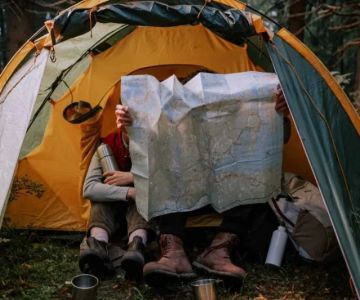
Carry a map, compass, or GPS device to prevent getting lost. Familiarize yourself with their use before the trip.
2.2 Proper Clothing and Footwear
Wear moisture-wicking, layered clothing and sturdy hiking boots to protect against weather and rough terrain.
2.3 Emergency and Survival Gear
Pack a first-aid kit, whistle, flashlight, and fire-starting tools. These items help manage unexpected situations effectively.
3. Safety Tips for Hiking in the Wilderness
While hiking, stay on marked trails to avoid dangerous areas. Maintain a steady pace, take regular breaks, and stay hydrated.
Be aware of wildlife, avoid feeding animals, and store food securely to prevent attracting them to your campsite.
3.1 Traveling in Groups
Whenever possible, hike with companions. Groups provide mutual support and assistance if emergencies arise.
3.2 Communication Devices
Carry fully charged phones or satellite communicators in areas with no cellular service.
4. Camping Safety Best Practices
Choose campsites away from hazards like unstable trees, flood-prone zones, or animal trails. Set up tents securely and keep a clean camp to avoid attracting wildlife.
4.1 Food Storage and Waste Disposal
Use bear-proof containers or hang food high in trees. Dispose of waste properly to minimize environmental impact and animal encounters.
4.2 Fire Safety
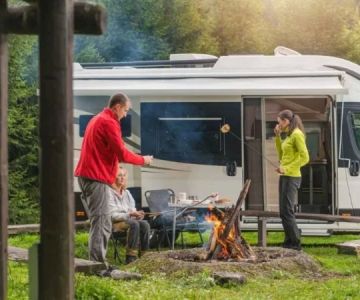
Follow local regulations for campfires, keep fires small, and fully extinguish them before leaving the site.
5. Managing Emergencies and First Aid
Knowing basic first aid is invaluable in the wilderness. Treat minor injuries promptly, stay calm, and know when to seek help.
Familiarize yourself with emergency evacuation routes and nearest medical facilities before your trip.
6. Real-Life Stories Highlight the Importance of Preparedness
Take the story of Emma, who got separated from her group during a hike. Thanks to her preparedness, including carrying a whistle and map, she was able to signal for help and reunite safely. Her experience underscores how safety tips can be lifesaving.
7. Why Choose Camping Rural for Your Outdoor Needs
For quality gear, expert advice, and reliable products that enhance your hiking and camping safety, visit Camping Rural. Their curated selection ensures you are well-equipped for every adventure, combining comfort with safety.
Make your next outdoor trip safe and memorable by trusting Camping Rural’s expertise.
 Campsite 47 (Electric Only)0.0 (0 reviews)
 The Ouachita Rv Park4.0 (245 reviews)
 Conway Acres3.0 (60 reviews)
 Oak Creek RV Resort4.0 (210 reviews)
 Depression Lake Campground4.0 (45 reviews)
 Crockett Lakefront Rv Resort & Marina4.0 (372 reviews)
 10 Must-Visit Campgrounds in the Midwest for Your Next Outdoor Adventure
 Romantic Camping Spots for Couples: Perfect Getaways in Nature
 Ultimate Guide to Off the Grid Camping in Remote Locations
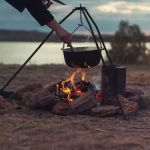 How to Cook Over a Campfire Safely for an Enjoyable Outdoor Experience
 Vanlife in Winter: My Personal Experience Living on the Road
 From City to Camp: My Journey to Nature and What I Learned