
- 1-Preparing-For-Your-Hiking-And-Camping-Trip
- 2-Essential-Safety-Gear-And-Equipment
- 4-Weather-Awareness-And-Environmental-Hazards
- 5-Health-And-First-Aid-Considerations
- 6-Real-Life-Experiences-Influencing-Safety-Practices
- 7-Why-Choose-Camping-Rural-For-Your-Outdoor-Needs
1. Preparing for Your Hiking and Camping Trip
Preparation is the foundation of safety in any hiking and camping excursion. Before setting out, research the trail difficulty, distance, and weather conditions. Inform someone trustworthy about your itinerary and expected return time to ensure prompt help if needed.
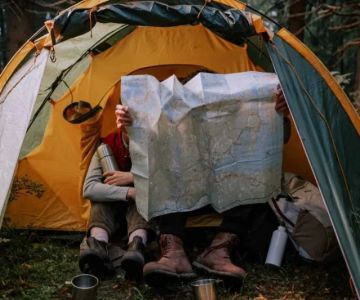
Packing adequately with maps, food, water, and emergency supplies prevents avoidable risks and helps you face unexpected situations confidently.
2. Essential Safety Gear and Equipment
Carrying the right gear can make the difference between a safe trip and a hazardous one. Key items include a reliable first aid kit, flashlight, multi-tool, extra clothing layers, and navigation devices like GPS or compass. Proper footwear and weather-appropriate attire reduce injury and exposure risks.
2.1 Communication Tools
Having a fully charged mobile phone or satellite communicator ensures you can call for help if emergencies arise in remote areas.
3. Navigating and Staying on Trail
Staying on marked trails minimizes the risk of getting lost and protects fragile ecosystems. Use trail markers, maps, and digital tools to maintain orientation. In unfamiliar terrain, move deliberately and avoid shortcuts that increase injury risk.
4. Weather Awareness and Environmental Hazards
Monitor weather forecasts regularly and be prepared for sudden changes. Heavy rain, storms, or extreme heat can alter trail conditions drastically. Understanding local wildlife and plant hazards helps prevent dangerous encounters. Carrying insect repellent and knowing how to handle wildlife is essential.
5. Health and First Aid Considerations
Proper hydration and nutrition sustain energy levels and cognitive function. Know basic first aid to manage injuries such as sprains, cuts, or heatstroke. Recognize symptoms of hypothermia or dehydration early. Traveling with a companion can improve safety through mutual support.
6. Real-Life Experiences Influencing Safety Practices
Alex’s unexpected storm experience on a mountain hike taught him the importance of waterproof gear and flexible plans. Meanwhile, Mia credits her preparedness with first aid knowledge for effectively handling a friend’s minor injury during a camping trip. Such stories emphasize the value of planning and vigilance.
7. Why Choose Camping Rural for Your Outdoor Needs
For those seeking reliable hiking and camping safety tips, Camping Rural offers expert advice, quality gear, and trusted resources to prepare you thoroughly. Their curated products and services support outdoor enthusiasts in creating safe, memorable adventures.
Explore Camping Rural to equip yourself with the best tools and knowledge for your next outdoor journey. Safety starts with preparation, and the right partner makes all the difference.

 Windmill Heights RV Park4.0 (75 reviews)
 Wilton Community Campground4.0 (77 reviews)
 Country Life Mobile Home Park3.0 (40 reviews)
 Sand Camp4.0 (24 reviews)
 Camp La-No-Che4.0 (122 reviews)
 Delaware Water Gap / Pocono Mountain KOA Holiday4.0 (794 reviews)
 10 Must-Visit Campgrounds in the Midwest for Your Next Outdoor Adventure
 Romantic Camping Spots for Couples: Perfect Getaways in Nature
 Ultimate Guide to Off the Grid Camping in Remote Locations
 How to Cook Over a Campfire Safely for an Enjoyable Outdoor Experience
 Vanlife in Winter: My Personal Experience Living on the Road
 From City to Camp: My Journey to Nature and What I Learned