
- 1-Importance-of-Building-a-Safe-Campfire
- 2-Preparation-and-Site-Selection
- 3-Step-by-Step-Guide-to-Building-a-Safe-Campfire
- 4-Safety-Practices-During-and-After-the-Campfire
- 5-Real-Life-Examples-and-Lessons-Learned
- 6-How-Camping-Rural-Supports-Safe-Camping
1. Importance of Building a Safe Campfire
A campfire is central to many camping experiences, providing warmth, light, and a place for cooking and socializing. However, building a campfire without proper precautions can lead to dangerous wildfires, injuries, and damage to the environment.
Understanding how to build a safe campfire ensures your outdoor adventure remains enjoyable and responsible, protecting nature and fellow campers.
2. Preparation and Site Selection
Choosing the right location and preparing your site is crucial for campfire safety. Look for designated fire rings or cleared areas away from overhanging branches, dry leaves, and other flammable materials.
Gathering your materials ahead of time—such as tinder, kindling, and fuel wood—helps maintain control once the fire starts.
3. Step-by-Step Guide to Building a Safe Campfire
3.1 Clear the Area
Remove leaves, twigs, and any debris in a three-foot radius around your fire pit to prevent accidental spreading.
3.2 Build a Fire Ring
If no fire ring is available, create a ring of rocks to contain the fire.
3.3 Arrange Your Wood
Start with small tinder materials like dry grass or paper, add kindling sticks, then stack larger logs in a teepee or log cabin style for airflow.
3.4 Light and Maintain the Fire
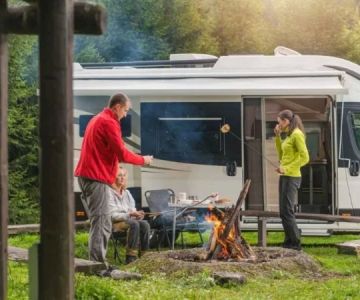
Use a match or lighter to ignite the tinder, gradually feeding the fire with larger wood as it grows. Always keep water or a shovel nearby to control the fire if needed.
4. Safety Practices During and After the Campfire
Never leave your campfire unattended and keep it manageable in size. Avoid burning plastics or harmful materials.
When you’re ready to extinguish the fire, douse it thoroughly with water, stir the ashes, and douse again until the site is cold to the touch.
5. Real-Life Examples and Lessons Learned
Numerous wildfire incidents have started from unattended or improperly built campfires. One camper recalled how quick thinking and proper fire-extinguishing techniques prevented a potential forest fire near their campsite.
These stories emphasize the importance of respecting campfire safety rules and being prepared at all times.
6. How Camping Rural Supports Safe Camping
At Camping Rural, we prioritize safety and education. Our resources guide campers in learning how to build a safe campfire and follow best practices for responsible outdoor recreation.
With expert advice and quality camping gear recommendations, Camping Rural empowers you to enjoy nature safely and sustainably.

 The Fig Tree RV Resort4.0 (82 reviews)
 Schroon River Campsites Inc2.0 (31 reviews)
 Emerald Mobile Home Park2.0 (15 reviews)
 Percy Quin Campground4.0 (10 reviews)
 Picture Lake Campground3.0 (407 reviews)
 B & B Mobile & Rv Park4.0 (74 reviews)
 10 Must-Visit Campgrounds in the Midwest for Your Next Outdoor Adventure
 Romantic Camping Spots for Couples: Perfect Getaways in Nature
 Ultimate Guide to Off the Grid Camping in Remote Locations
 How to Cook Over a Campfire Safely for an Enjoyable Outdoor Experience
 Vanlife in Winter: My Personal Experience Living on the Road
 From City to Camp: My Journey to Nature and What I Learned