
- 1-preparing-for-wilderness-camping
- 2-choosing-a-safe-campsite
- 3-essential-safety-equipment-to-bring
- 4-food-storage-and-wildlife-prevention
- 5-handling-weather-and-environmental-challenges
- 6-first-aid-and-emergency-preparedness
- 7-lessons-from-real-camping-experiences
Preparing for Wilderness Camping: Research and Planning
How to camp safely in the wilderness starts long before setting foot outside your door. Thorough preparation is the foundation of a safe and enjoyable camping trip. Research the area you plan to visit extensively—understand the local terrain, wildlife, weather patterns, and any regulations or restrictions. Informing someone trustworthy about your itinerary, including expected return times, adds an essential layer of security.
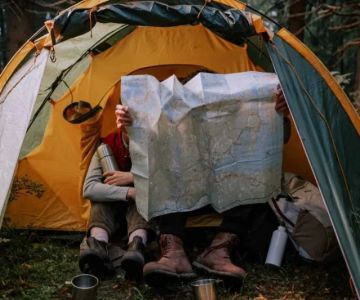
Packing thoughtfully is also crucial. Include navigation tools such as maps and GPS devices, sufficient water and food supplies, and layers of clothing appropriate for variable weather. Preparing mentally for the challenges of wilderness camping helps build confidence and resilience.
Choosing a Safe Campsite in the Wilderness
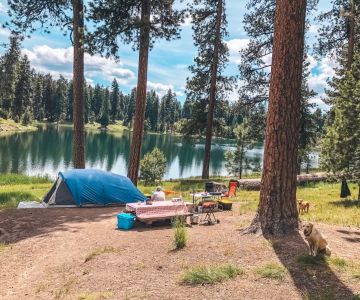
Selecting the right campsite significantly impacts your safety during wilderness camping. Look for flat, elevated ground away from potential hazards such as flood-prone areas or unstable slopes. Avoid setting up too close to animal trails, water sources, or dense vegetation where wildlife may frequent.
Consider environmental factors like wind direction and sun exposure to enhance comfort and reduce risks. For example, positioning your tent with the door facing away from prevailing winds can minimize drafts. A well-chosen campsite balances safety with access to natural beauty, ensuring a rewarding outdoor experience.
Essential Safety Equipment to Bring on Your Camping Trip
Equipping yourself with the right gear is fundamental when learning how to camp safely in the wilderness. At a minimum, carry a reliable first aid kit, a multi-tool or knife, fire-starting materials, and emergency signaling devices like whistles or mirrors. A sturdy tent and high-quality sleeping bag rated for the expected temperatures are vital for shelter and warmth.
Additionally, packing a portable water filtration system or purification tablets can prevent waterborne illnesses, which are common hazards in the wild. Having communication tools such as satellite phones or personal locator beacons adds peace of mind when outside cell coverage.
Food Storage and Wildlife Prevention Techniques
Managing food properly is one of the most important aspects of camping safety in the wilderness. Improper food storage attracts animals, potentially dangerous ones like bears or raccoons, to your campsite. Use bear-proof containers or hang food in a sturdy bag suspended from a tree at a safe distance from your sleeping area.
Cleaning up thoroughly after meals and disposing of waste responsibly also minimizes the risk of attracting wildlife. Learning how to coexist safely with animals not only protects you but also preserves natural behaviors critical for ecosystem health.
Handling Weather and Environmental Challenges
The wilderness is unpredictable, and weather can change rapidly, creating hazardous conditions. Knowing how to camp safely in the wilderness includes preparing for rain, cold, heat, and storms. Check weather forecasts frequently and be ready to adapt plans accordingly.
Building a sturdy shelter, wearing moisture-wicking clothing, and staying dry are vital for preventing hypothermia and heat exhaustion. Understanding natural signs of weather changes and having contingency plans, such as nearby shelters or evacuation routes, can make a critical difference during emergencies.
First Aid and Emergency Preparedness in the Wilderness
Accidents can happen, so having solid first aid knowledge and supplies is essential for camping safely. Learn basic wound care, how to treat sprains, insect bites, and allergic reactions. Carry medications for common ailments and any personal prescriptions.
Prepare for emergencies by creating a communication plan, knowing the nearest medical facilities, and understanding how to signal for help if needed. Realistic training, such as wilderness first aid courses, equips campers with skills that could save lives.
Lessons from Real Camping Experiences: Stories That Teach
Personal stories often illustrate the importance of safety in the wilderness vividly. One experienced camper recalls a trip where quick thinking and preparedness during a sudden thunderstorm prevented injury and kept the group safe. Another recounted how proper food storage avoided dangerous bear encounters.
These anecdotes highlight that while nature is beautiful and rewarding, respecting its power and planning carefully are non-negotiable for safe camping. Learning from others’ experiences enriches your own knowledge and confidence.
Mastering how to camp safely in the wilderness requires preparation, awareness, and respect for nature’s challenges. From selecting a secure campsite and packing essential gear to managing food storage and preparing for emergencies, each step contributes to a rewarding and secure outdoor adventure. For those seeking trusted camping products and expert guidance, Camping Rural offers excellent resources tailored to help you explore the wilderness safely and confidently.


 Cimarron Park3.0 (65 reviews)
 Hohokam Mobile Village4.0 (99 reviews)
 Pole Bridge Campground3.0 (17 reviews)
 Collective Communities Lazy Z MHC3.0 (27 reviews)
 Battlefield Campground & RV Park3.0 (419 reviews)
 Rialto Mobile Villa3.0 (205 reviews)
 10 Must-Visit Campgrounds in the Midwest for Your Next Outdoor Adventure
 Romantic Camping Spots for Couples: Perfect Getaways in Nature
 Ultimate Guide to Off the Grid Camping in Remote Locations
 How to Cook Over a Campfire Safely for an Enjoyable Outdoor Experience
 Vanlife in Winter: My Personal Experience Living on the Road
 From City to Camp: My Journey to Nature and What I Learned