
- 1. Understanding the Basics of Backpacking Gear
- 2. Essential Backpacking Gear You Can't Forget
- 3. How to Select the Right Backpack for Your Trip
- 4. Choosing the Best Camping Gear for Your Adventure
- 5. Tips for Buying Backpacking Gear on a Budget
1. Understanding the Basics of Backpacking Gear
Embarking on your first backpacking trip can be both thrilling and overwhelming, especially when it comes to choosing the right gear. I remember feeling uncertain about what to pack, thinking that I might either overpack or forget something crucial. But the key to a successful backpacking trip lies in selecting the right equipment that balances comfort, functionality, and weight.
Backpacking gear is designed to make your trip easier and safer while ensuring that you’re prepared for different environmental conditions. The essentials include a backpack, shelter, clothing, food, and tools for navigation and safety. It's important to understand the specific needs of your trip—whether you’re hiking in warm, dry weather or trekking through cold, wet conditions—so you can choose gear that fits your adventure.
2. Essential Backpacking Gear You Can't Forget
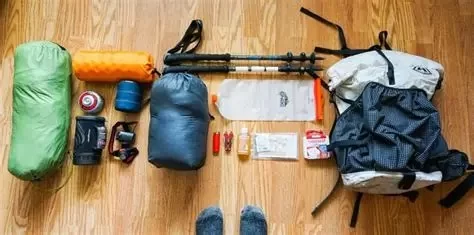
Before heading out, there are a few key items that every first-time backpacker must have. While you might be tempted to pack extra items “just in case,” the goal is to pack light and focus on the essentials. Here’s a rundown of the most important backpacking gear you need for your first trip:
1. Backpack
The backpack is the most crucial piece of gear. It’s where you'll carry all your essentials, so it should be comfortable, durable, and the right size for your needs. For a multi-day trip, look for a pack that’s 50-70 liters in capacity, depending on how much you plan to carry. Make sure the backpack has adjustable straps, a padded hip belt, and sufficient compartments to organize your gear efficiently.
2. Shelter
Your shelter will be your home for the duration of your trip. If you’re planning on staying in the wilderness overnight, a lightweight tent or a hammock with a rain fly will keep you dry and protected from the elements. It’s important to choose a shelter that’s easy to set up, weather-resistant, and lightweight to avoid adding extra weight to your pack.
3. Sleeping Bag and Pad
A good sleeping bag will keep you warm and comfortable during the night, and it’s essential for ensuring you get enough rest to tackle the next day’s hike. Make sure to choose a sleeping bag appropriate for the temperatures you’ll be facing. Pair it with a sleeping pad to provide insulation from the cold ground and additional comfort while sleeping.
4. Clothing
When it comes to clothing, the key is layering. You’ll want moisture-wicking base layers, an insulating mid-layer, and a waterproof outer layer to protect against rain and wind. Don’t forget extra socks, a hat, gloves, and comfortable shoes that are suitable for long walks. Always pack clothes that you can easily add or remove depending on the weather conditions.
5. Cooking Gear and Food
If your trip involves more than a day of hiking, you’ll need a portable stove or cooking system, as well as lightweight cookware. Pack dehydrated meals or energy-dense foods that are easy to prepare on the trail. Don’t forget a small stove fuel canister, a lighter, and a compact utensil set.
6. Navigation Tools
Even if you’re not venturing into the wilderness, it’s essential to carry navigation tools, including a map, compass, or GPS device. Knowing where you’re going and how to get there can make all the difference when navigating unfamiliar terrain.
3. How to Select the Right Backpack for Your Trip
When it comes to selecting the right backpack for your backpacking trip, there are several factors to consider. Your backpack should suit your personal needs and the nature of your trip. Here are a few tips based on my personal experience:
1. Size and Capacity
Choose a backpack that’s big enough to carry all your gear but not so large that it encourages overpacking. For a short, weekend trip, a 40-50L pack should be sufficient. For longer treks, go for a 60-70L pack to accommodate extra food, clothing, and gear.
2. Comfort and Fit
Fit is everything when it comes to a backpack. A well-fitting pack will prevent back pain and fatigue, especially during long hikes. Make sure the straps are adjustable, the hip belt fits snugly, and the pack sits comfortably on your back. Try it on before purchasing and take a walk with some weight in it to test how it feels.
3. Weight
Keep in mind that lighter is better when it comes to backpacks. While you want a sturdy, durable pack, you don’t want to carry extra weight unnecessarily. Look for lightweight, high-quality materials that will stand up to the elements but won’t add too much bulk.
4. Choosing the Best Camping Gear for Your Adventure
Camping gear is just as essential as the items you bring for hiking. You’ll need tools that will help you stay safe, cook meals, and ensure your shelter is comfortable. Here are some essential camping gear recommendations based on my experience:
1. Stove and Cooking Gear
Opt for a small, lightweight stove that is easy to pack and set up. A small canister stove or alcohol stove is ideal for short trips, while a multi-fuel stove may be necessary for longer treks. Also, choose durable cookware that is easy to clean, like titanium or aluminum pots and pans.
2. Water Filtration System
Access to clean water is crucial on a backpacking trip. I always bring a portable water filter or purification tablets to ensure I can drink water safely from streams or rivers along the trail. Choose a filtration system that is lightweight and easy to use.
3. Lighting
A reliable headlamp is essential for night-time navigation and setting up camp. Choose a headlamp with adjustable brightness and a long-lasting battery. It’s important to have backup batteries or a rechargeable power bank as well.
5. Tips for Buying Backpacking Gear on a Budget
Backpacking gear can be expensive, but it’s possible to build a high-quality setup without breaking the bank. Here are a few tips I’ve learned for buying backpacking gear on a budget:
1. Buy Gear in Phases
Start with the essentials, like your backpack, sleeping bag, and shelter, and buy other items over time. This allows you to spread out the costs and ensure you’re purchasing items that you truly need.
2. Look for Sales and Discounts
Watch for seasonal sales, especially during the off-season when outdoor retailers are clearing out inventory. Signing up for email newsletters from outdoor stores can help you stay on top of special deals.
3. Consider Used Gear
Buying used gear is a great way to save money. Many outdoor stores and websites offer gently used or refurbished items at a fraction of the cost of new gear. Just make sure to inspect the equipment carefully before purchasing.
With the right approach, you can get the gear you need for your first backpacking trip without overspending. A little patience and research go a long way when building your gear collection.
 Middle Area Campground5.0 (2 reviews)
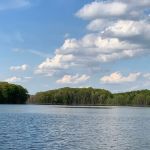 Crooked Lake Campground and RV Park4.0 (39 reviews)
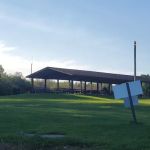 West-Two Rivers Campground4.0 (137 reviews)
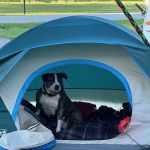 Pine grove campground4.0 (5 reviews)
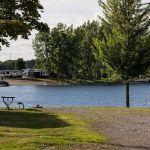 Sun Outdoors Kensington Valley4.0 (502 reviews)
 Sashabaw Meadows3.0 (337 reviews)
 10 Must-Visit Campgrounds in the Midwest for Your Next Outdoor Adventure
 Romantic Camping Spots for Couples: Perfect Getaways in Nature
 Ultimate Guide to Off the Grid Camping in Remote Locations
 How to Cook Over a Campfire Safely for an Enjoyable Outdoor Experience
 Vanlife in Winter: My Personal Experience Living on the Road
 From City to Camp: My Journey to Nature and What I Learned