
- Types of Roof Racks and Cargo Carriers
- How to Choose the Right Size for Your Car or RV
- Roof Rack and Cargo Carrier Installation
- Material Durability and Weather Resistance
- Best Roof Racks for Cars and RVs
- Real-Life Case: Choosing the Right Roof Rack for an RV
Types of Roof Racks and Cargo Carriers
When planning a road trip or transporting large items, having the right roof rack or cargo carrier can make a big difference. Roof racks and cargo carriers come in various types, each designed for specific needs. Understanding the differences between them will help you make an informed choice for your car or RV.
1. Roof Racks
Roof racks are designed to provide a stable platform for carrying gear on the roof of your car or RV. They are typically made up of crossbars and side rails that can be used to mount items like bikes, kayaks, skis, or a cargo box. Roof racks are ideal for people who need a versatile and adjustable option for transporting various types of equipment.
2. Roof Cargo Boxes
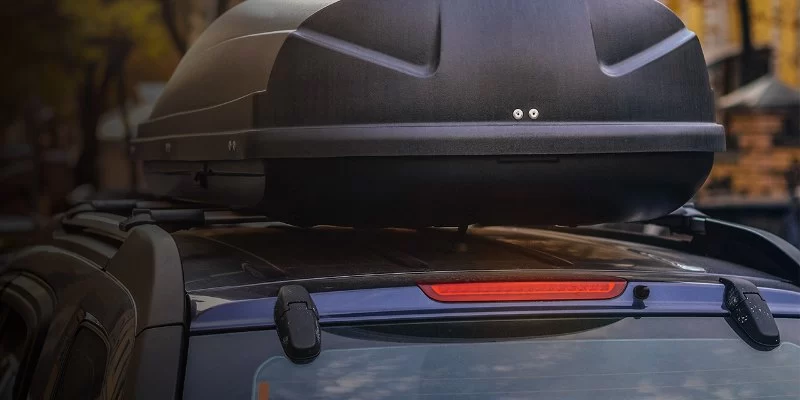
For people who need to transport luggage, camping gear, or bulky items, roof cargo boxes offer a secure and weatherproof solution. These boxes provide extra storage space while keeping your belongings safe and dry. They come in different sizes and are easy to attach to most roof racks, making them an excellent choice for long trips or moving large items.
3. Roof Cargo Bags
If you're looking for a more affordable and lightweight alternative to cargo boxes, roof cargo bags might be the right choice. These soft-sided carriers are usually waterproof and can be easily folded when not in use. They are best suited for light to moderate loads and are a great option for short trips or occasional use.
4. RV Roof Racks
For RV owners, there are specific roof racks designed to accommodate larger loads. These racks are built to handle the weight of items such as solar panels, spare tires, or extra storage containers. When choosing an RV roof rack, make sure it can support the weight and size of your gear.
How to Choose the Right Size for Your Car or RV
One of the most important factors when selecting a roof rack or cargo carrier is the size. A roof rack that is too small won't be able to carry all of your gear, while one that is too large can cause wind resistance and reduce fuel efficiency. Here's how to determine the right size:
1. Measure the Roof Space
Before buying a roof rack or cargo carrier, measure the roof of your car or RV. Take note of the width, length, and any obstructions like antennas or sunroofs. This will help you choose a rack that fits perfectly and doesn't interfere with other features of your vehicle.
2. Choose Based on Your Needs
Consider the amount of space you need for your gear. If you're carrying camping equipment or long items like kayaks, choose a roof rack or cargo carrier that offers enough length and width to accommodate them comfortably. For smaller items or luggage, a compact cargo box or bag may be sufficient.
3. Consider Weight Capacity
It's important to check the weight capacity of the roof rack or cargo carrier. Make sure it can handle the weight of your gear without compromising safety or performance. Overloading the roof rack can lead to damage to your vehicle and pose a risk while driving.
Roof Rack and Cargo Carrier Installation
Installing a roof rack or cargo carrier is usually a straightforward process, but there are a few important steps to ensure everything is secure. Here’s what you need to know:
1. Installation of Roof Racks
Most roof racks come with detailed instructions for installation, and many modern vehicles are designed to make the process easier. You'll need to secure the crossbars and side rails to the roof of your car or RV using the provided brackets or clamps. Ensure that everything is tightened and adjusted properly to avoid any movement while driving.
2. Mounting the Cargo Carrier
Once your roof rack is installed, you can attach a cargo carrier. Depending on the type of carrier (box, bag, etc.), the installation process will vary. Ensure that the cargo carrier is securely fastened and that there is no shifting during travel. If using a soft-sided bag, make sure it is properly tightened to avoid flapping in the wind.
Material Durability and Weather Resistance
When choosing a roof rack or cargo carrier, material durability is a critical factor, especially if you're traveling in harsh conditions. Here’s what to look for:
1. Roof Rack Materials
Roof racks are usually made from materials like aluminum, steel, or plastic. Aluminum racks are lightweight and resistant to corrosion, making them ideal for long-term use. Steel racks offer greater strength but can be heavier and prone to rusting if not treated properly. Choose a material that best suits your needs based on durability and weight.
2. Cargo Carrier Materials
For cargo carriers, materials such as heavy-duty plastic or nylon are commonly used. Plastic boxes are often weather-resistant and durable, while soft-sided cargo bags are typically made from waterproof and UV-resistant fabrics. Ensure the materials of your cargo carrier are capable of withstanding exposure to the elements during your trip.
Best Roof Racks for Cars and RVs
There are many brands and types of roof racks and cargo carriers available, each with its own features. Here are some of the best options:
1. Thule Roof Racks
Thule is one of the most well-known brands in the roof rack industry. Their products are known for their durability, ease of installation, and wide range of compatible accessories. Thule roof racks are ideal for those who need a versatile and long-lasting option.
2. Yakima Roof Racks
Yakima offers a variety of roof racks and cargo carriers designed for both cars and RVs. Their racks are known for their sleek design and high weight capacity, making them perfect for carrying larger loads. The Yakima system is also highly customizable to fit different vehicle models.
3. RoofBag Cargo Carrier
If you’re looking for an affordable and easy-to-use soft-sided cargo bag, RoofBag offers excellent options. These weatherproof bags are easy to install and provide a lot of storage space for items like luggage, camping gear, or sports equipment.
Real-Life Case: Choosing the Right Roof Rack for an RV
One RV owner, Mark, needed extra storage space for his family’s camping trip across the country. He had a limited budget but still needed a sturdy roof rack to hold camping gear and other essentials. After researching several options, Mark decided on a Yakima roof rack system for his RV. The system allowed him to easily attach a cargo box for his camping gear, ensuring a secure and safe trip.
Mark found that the Yakima rack was easy to install and gave him peace of mind during his travels. He was able to safely store his gear without worrying about it being damaged or causing wind resistance on the highway. Thanks to his thoughtful choice of roof rack, Mark enjoyed a smooth and enjoyable trip with his family.




 Seven Mile Lake Park4.0 (27 reviews)
 Ponderosa Pines RV Park0.0 (0 reviews)
 Our Friends Campground II4.0 (47 reviews)
 Cypress Shores Manufactured Home Community3.0 (146 reviews)
 Cypress Woods RV Resort4.0 (178 reviews)
 Cedar Ridge Park Campground4.0 (218 reviews)
 10 Must-Visit Campgrounds in the Midwest for Your Next Outdoor Adventure
 Romantic Camping Spots for Couples: Perfect Getaways in Nature
 Ultimate Guide to Off the Grid Camping in Remote Locations
 How to Cook Over a Campfire Safely for an Enjoyable Outdoor Experience
 Vanlife in Winter: My Personal Experience Living on the Road
 From City to Camp: My Journey to Nature and What I Learned