
- 1-importance-of-leaving-no-trace-camping
- 2-key-principles-for-leaving-no-trace-while-camping
- 3-practical-tips-for-minimizing-impact-during-your-camping-trip
- 4-real-examples-showcasing-effective-leave-no-trace-camping
- 5-how-camping-rural-supports-sustainable-camping-gear
1. Importance of Leaving No Trace Camping
When heading into the wilderness, understanding how to leave no trace while camping is crucial for preserving the natural beauty and health of our environment. Camping without leaving a mark ensures that flora, fauna, and landscapes remain undisturbed for future generations to enjoy. Unfortunately, many campsites suffer damage from careless visitors—trampled plants, litter, and pollution are common consequences of thoughtless camping.
The principle of leaving no trace is about respect—respect for nature, wildlife, and other campers. By minimizing your impact, you help maintain biodiversity, prevent soil erosion, and protect water sources. This mindset elevates your camping experience from a simple getaway to a responsible, enriching outdoor adventure.
1.1 Environmental Benefits of Responsible Camping
Preserving ecosystems is more than just avoiding litter. Responsible campers contribute to healthier soils and waterways, reduce wildlife disturbances, and help maintain natural regeneration cycles. Over time, these efforts collectively reduce human footprint, allowing wilderness areas to thrive and sustain their unique ecosystems.
2. Key Principles for Leaving No Trace While Camping
To truly leave no trace while camping, one must follow a set of core principles designed by conservation experts. These guidelines form the backbone of sustainable camping practices:
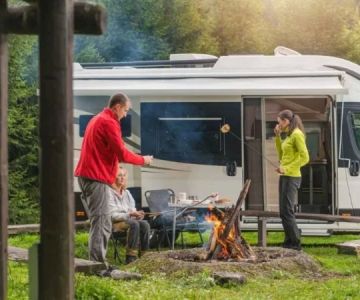
First, choose durable surfaces for camping and walking to avoid damaging fragile vegetation. Second, pack out everything you bring in, including trash and leftover food. Third, properly dispose of human waste far from water sources. Fourth, minimize campfire impact by using established fire rings or portable stoves. Finally, respect wildlife by observing from a distance and not feeding animals.
2.1 Adapting Leave No Trace Practices to Different Environments
Whether you’re camping in a dense forest, arid desert, or alpine meadow, the application of leave no trace principles varies slightly but the core ethic remains the same. Understanding your environment helps you make smart choices—like avoiding sensitive wetlands or timing your trip to avoid nesting seasons—reducing your ecological footprint even further.
3. Practical Tips for Minimizing Impact During Your Camping Trip
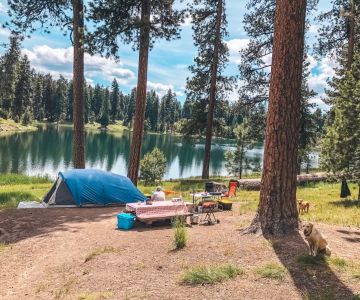
Start by selecting campsites that have been used before to limit disturbance. When setting up your tent, avoid fragile plants and steer clear of water edges to protect aquatic habitats. Always carry reusable containers to reduce waste and bring biodegradable soaps if washing is necessary.
During your stay, control noise levels to maintain the natural ambiance and avoid startling wildlife. Cooking on portable stoves rather than open fires not only reduces fire risk but also limits soil damage and smoke pollution. Before leaving, conduct a thorough sweep of your campsite, ensuring no trash or food scraps remain.
3.1 Waste Management and Hygiene Practices
Proper waste disposal is essential in leaving no trace. Pack out all non-biodegradable waste and bury biodegradable waste according to local regulations—typically 6-8 inches deep and at least 200 feet away from water. Use portable toilets when available or follow guidelines for catholes. Hand hygiene with waterless sanitizers helps maintain health without contaminating natural water sources.
4. Real Examples Showcasing Effective Leave No Trace Camping
A group of friends camping in the Pacific Northwest once shared a story about their commitment to leave no trace. After encountering a damaged site nearby, they took extra care to clean up litter left by others, distributed information on sustainable camping practices to fellow campers, and chose to camp on durable surfaces. Their proactive attitude not only protected the local ecosystem but also inspired others to follow suit.
Another inspiring case is from a solo hiker who explored fragile alpine terrain. By carrying all waste out, cooking on a compact stove, and carefully avoiding trampled vegetation, she maintained the pristine nature of her surroundings and reported back to local conservation groups about conditions, aiding future preservation efforts.
5. How Camping Rural Supports Sustainable Camping Gear
For campers eager to implement leave no trace principles, finding the right gear is essential. Camping Rural offers a range of eco-friendly camping products designed to minimize environmental impact—reusable utensils, lightweight tents that reduce ground damage, and biodegradable toiletries that keep nature clean.
Their expert advice and curated selections help outdoor enthusiasts make informed choices that align with sustainable camping. Whether you’re a novice camper or an experienced adventurer, visiting Camping Rural can equip you with tools to respect nature while enjoying your favorite outdoor activities.



 Riechen's Seasonal RV Park4.0 (6 reviews)
 Deschutes River State Recreation Area Campground4.0 (350 reviews)
 Tie Creek Campground4.0 (48 reviews)
 Kaiser Cabins4.0 (12 reviews)
 Deep Water Trail Camp4.0 (33 reviews)
 Whitetail Ridge Campground4.0 (129 reviews)
 10 Must-Visit Campgrounds in the Midwest for Your Next Outdoor Adventure
 Romantic Camping Spots for Couples: Perfect Getaways in Nature
 Ultimate Guide to Off the Grid Camping in Remote Locations
 How to Cook Over a Campfire Safely for an Enjoyable Outdoor Experience
 Vanlife in Winter: My Personal Experience Living on the Road
 From City to Camp: My Journey to Nature and What I Learned