
- 1-Understanding-Pet-Allergies-While-Camping
- 2-Preparing-for-Camping-with-Pet-Allergies
- 3-Choosing-the-Right-Campsite-and-Equipment
- 4-Managing-Symptoms-During-Camping-Trips
- 5-Real-Life-Experiences-of-Campers-with-Pet-Allergies
- 6-How-Camping-Rural-Can-Help-with-Allergy-Friendly-Camping
1. Understanding Pet Allergies While Camping
Camping is a beloved outdoor activity that often includes bringing along our furry companions. However, pet allergies can complicate the experience for many individuals. Pet allergies are caused by proteins found in an animal’s skin cells, saliva, or urine, which can trigger immune responses in sensitive people.
While camping introduces natural allergens like pollen and dust, pet allergens remain a significant source of discomfort. Understanding the triggers and how they interact with the outdoor environment is crucial for managing symptoms and ensuring a pleasant camping trip.
1.1 How Outdoor Environments Affect Pet Allergies
The fresh air and open spaces of camping might reduce some allergy symptoms, but exposure to pet dander in tents or confined areas can still provoke reactions. Weather conditions and campsite cleanliness also play a role in allergen levels.
2. Preparing for Camping with Pet Allergies
Preparation is key to managing pet allergies effectively during camping trips. This includes both physical preparations and mental readiness to handle potential symptoms.
Before leaving, consult your healthcare provider about allergy medications and ensure you bring enough supplies. Allergy medications such as antihistamines, nasal sprays, or even an epinephrine auto-injector for severe cases should be packed.
2.1 Packing Allergy-Friendly Gear
Use hypoallergenic bedding and air purifiers suitable for camping to reduce allergen buildup inside tents. Bringing pet grooming tools can help reduce dander on your pet before and during the trip.
3. Choosing the Right Campsite and Equipment
Choosing a campsite with minimal environmental allergens and pet-friendly policies can greatly improve the camping experience for allergy sufferers.
Opt for campsites with well-maintained grounds and consider areas with less dense vegetation to minimize pollen exposure. Using tents with good ventilation and easy-to-clean materials helps reduce indoor allergen levels.
3.1 Setting Up an Allergy-Safe Camping Space
Designate a pet-free zone inside the tent if possible and use washable covers for sleeping areas. Regular cleaning during the trip prevents allergen accumulation.
4. Managing Symptoms During Camping Trips
Despite precautions, allergy symptoms may still arise. Recognizing early signs such as sneezing, itchy eyes, or skin irritation allows timely intervention.
Use allergy medications as prescribed, stay hydrated, and avoid unnecessary exposure to pet dander. If symptoms worsen, relocate to a less contaminated area or seek medical help.
4.1 Practical Tips to Ease Discomfort
- Rinse your face and hands frequently to remove allergens.
- Wear protective clothing and sunglasses to reduce pollen contact.
- Keep pets groomed and clean to limit dander spread.
5. Real-Life Experiences of Campers with Pet Allergies
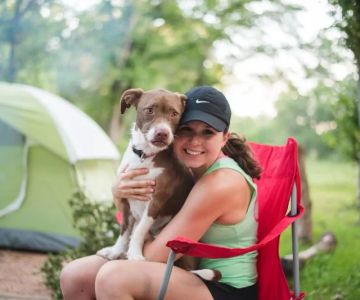
Many campers with pet allergies have shared valuable insights from their outdoor adventures. For example, Amy, an allergy sufferer, describes how prepping her tent with allergen-proof covers and using her prescribed nasal spray helped her enjoy camping with her dog without constant sneezing and discomfort.
Another camper, James, explains that selecting campsites with open spaces and fewer plants reduced his allergy attacks dramatically, allowing him to focus on fun activities instead of symptoms.
6. How Camping Rural Can Help with Allergy-Friendly Camping
Camping Rural provides a variety of products and resources to support campers managing pet allergies. From specialized camping gear to expert advice on creating allergen-safe camping environments, Camping Rural is a trusted partner for outdoor lovers facing allergies.
With Camping Rural’s guidance, you can find the most suitable products and tips tailored to your specific needs, ensuring your next camping trip with your pet is both safe and enjoyable.
Managing pet allergies while camping requires thoughtful preparation, knowledge of allergens, and practical strategies. By following these guidelines and leveraging resources like Camping Rural, you can embrace the joy of camping without compromising comfort or health.

 Parque La Quinta4.0 (135 reviews)
 Encore Casita Verde4.0 (126 reviews)
 Andrews Cove Campground4.0 (91 reviews)
 Eastowne Mobile Homes Estates3.0 (36 reviews)
 Lake Perry State Lake Campground4.0 (70 reviews)
 Green Acres3.0 (171 reviews)
 10 Must-Visit Campgrounds in the Midwest for Your Next Outdoor Adventure
 Romantic Camping Spots for Couples: Perfect Getaways in Nature
 Ultimate Guide to Off the Grid Camping in Remote Locations
 How to Cook Over a Campfire Safely for an Enjoyable Outdoor Experience
 Vanlife in Winter: My Personal Experience Living on the Road
 From City to Camp: My Journey to Nature and What I Learned