Understanding the Basics of National Park Camping Reservations
For many outdoor lovers, camping in a U.S. national park feels like the ultimate escape. Towering cliffs, quiet forests, and star-filled skies are hard to beat. Yet before any of that happens, there is one major hurdle: the reservation system. Learning how to navigate national park camping reservations successfully can make the difference between a dream trip and months of frustration.
Most national parks now rely on centralized online reservation platforms, and sites can fill up within minutes of opening. Understanding how these systems work, what information you need ready, and how far in advance reservations are released sets the foundation for success.
Why National Park Campsites Are So Competitive
The popularity of outdoor travel has surged in recent years, especially as more families and solo travelers seek meaningful experiences in nature. Viral photos from parks like Yosemite and Zion often inspire thousands of people to plan similar trips. This increased demand means campsites are no longer a last-minute option in many locations.
Another factor is limited supply. National parks intentionally restrict the number of campsites to protect the environment. While this preserves natural beauty, it also means fewer spots are available compared to the number of people who want them.
Seasonality adds another layer. Summer weekends, holiday periods, and peak foliage seasons are especially competitive. Knowing this helps travelers adjust expectations and plan smarter.
Planning Ahead with Dates, Flexibility, and Backup Ideas
Successful campers often start planning months in advance. Many parks release reservations six months ahead, sometimes down to the exact day and hour. Marking these release dates on your calendar is not optional; it is essential.
Flexibility is just as important as preparation. Travelers who are open to midweek stays, shoulder seasons, or alternative campgrounds dramatically improve their chances. For example, arriving on a Tuesday instead of a Friday can turn a fully booked park into an available one.
Some experienced campers also plan multiple potential trips, knowing only one may work out. This mindset reduces stress and increases success over time.
Using Reservation Platforms Without Common Pitfalls
Online reservation systems move fast, and small mistakes can cost you a campsite. Logging in early, saving your payment details, and knowing exactly which campground and site type you want prevents hesitation when the clock starts.
A common mistake is focusing only on the most famous campground. Many parks have lesser-known areas that offer just as much beauty with far less competition. Exploring gear and planning resources from Camping Rural can also help campers feel confident choosing sites that fit their experience level and equipment.
Another overlooked detail is campsite size and restrictions. Some sites cannot accommodate larger vehicles or trailers, and overlooking this can lead to canceled reservations later.
Real Stories That Show Persistence Pays Off
One widely shared story on camping forums involved a couple trying to book a site in Glacier National Park. After failing multiple times at release, they checked for cancellations daily. Two weeks before their trip, a site opened up, and they secured it within minutes. Their takeaway was simple: persistence matters just as much as timing.
Another camper described how choosing a less popular campground outside the main park entrance gave them quieter nights and easier access to trails. These real-world experiences highlight that success often comes from adapting rather than insisting on a single plan.
What to Do When Everything Appears Fully Booked
Seeing a “no availability” message does not always mean the trip is over. Many parks experience frequent cancellations as travel plans change. Checking availability early in the morning or late at night can sometimes reveal newly released sites.
Some parks also offer first-come, first-served campgrounds. While these require early arrival and patience, they can be a rewarding option for flexible travelers. Preparation with the right gear, often recommended by platforms like Camping Rural, makes these spontaneous opportunities more manageable.
Preparing Confidently Once Your Reservation Is Secured
Once you land a reservation, preparation shifts from booking to experience. Reviewing park rules, weather patterns, and campsite amenities helps avoid surprises. Knowing whether fires are allowed, what wildlife precautions are required, and how far amenities are from your site adds peace of mind.
Many seasoned campers treat the reservation as the beginning, not the end, of planning. Thoughtful preparation ensures the time spent navigating national park camping reservations successfully translates into a memorable and stress-free adventure.
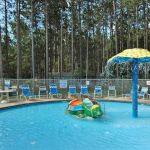 Yukon Trails Campground4.0 (188 reviews)
 Lodge Campground4.0 (43 reviews)
 Alpine Moblie Home Park4.0 (19 reviews)
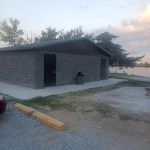 Rocky Pond Campground4.0 (104 reviews)
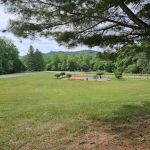 Lover's Leap Campground4.0 (51 reviews)
 Sleepy Hollow RV Park3.0 (31 reviews)
 10 Must-Visit Campgrounds in the Midwest for Your Next Outdoor Adventure
 Romantic Camping Spots for Couples: Perfect Getaways in Nature
 Ultimate Guide to Off the Grid Camping in Remote Locations
 How to Cook Over a Campfire Safely for an Enjoyable Outdoor Experience
 Vanlife in Winter: My Personal Experience Living on the Road
 From City to Camp: My Journey to Nature and What I Learned