
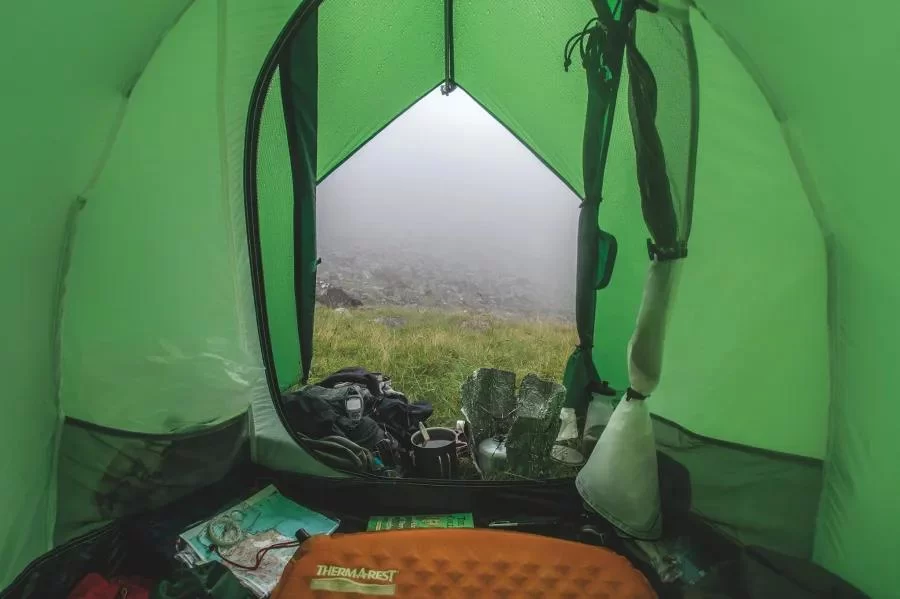
- Preparation-and-Planning
- Choosing-the-Right-Foods
- Packing-Techniques-for-Efficiency
- Food-Storage-and-Safety
- Real-Life-Examples-and-Expert-Advice
1. Preparation and Planning: The First Step to Smart Food Packing
Packing food for hiking and camping begins well before you even touch a grocery aisle. Successful outdoor meals depend heavily on careful preparation and detailed planning. Before you pack, consider the duration of your trip, weather conditions, the intensity of your hike, and your own nutritional needs. For example, a weekend camping trip will require different food supplies than a week-long backpacking expedition through variable terrain.
Planning your meals ahead also helps reduce unnecessary weight, which is critical when you are carrying everything on your back. Think about the balance of calories, nutrients, and convenience. Dehydrated meals, energy bars, nuts, and dried fruits are favorites because they pack well and provide a quick energy boost.
When preparing your hiking and camping menu, it’s important to include a variety of food groups to maintain energy and morale. Don’t underestimate the power of a warm meal after a day of trekking—it can lift spirits and provide necessary recovery nutrients.
1.1 Setting Realistic Food Portions
Overpacking is a common mistake. Instead, calculate your daily calorie needs and pack accordingly. This avoids waste and keeps your pack lighter. Use online calculators or apps designed for outdoor nutrition to guide your estimates.
1.2 Checklist Creation
Creating a detailed food checklist ensures nothing essential is forgotten. Break down meals by day and include snacks, cooking ingredients, and condiments. This organization makes packing smoother and your meals more predictable and enjoyable.
2. Choosing the Right Foods for Hiking and Camping
The choice of food can make or break your hiking and camping experience. You want items that are lightweight, non-perishable, and nutritionally dense. Here are some categories to focus on:
2.1 Lightweight, High-Energy Foods
Foods like nuts, seeds, dried fruits, jerky, and energy bars offer a powerful energy-to-weight ratio. They’re easy to snack on the trail and require no preparation, which is a huge plus when time or weather is tight.
2.2 Freeze-Dried and Dehydrated Meals
Many outdoor enthusiasts swear by freeze-dried meals for their convenience and shelf life. All you need is hot water to rehydrate them. This is ideal for backpackers who want minimal weight but still crave a warm, satisfying meal.
2.3 Fresh Food for Short Trips
If you’re camping near a vehicle or on a short trip, incorporating fresh vegetables and fruits can enhance meal quality and enjoyment. Hardy vegetables like carrots, potatoes, and bell peppers travel well if packed properly.
2.4 Cooking Staples
Don’t forget essentials such as instant oatmeal, rice, pasta, and seasoning packets. These staples provide versatility and comfort during meals, allowing for creativity in your camp cooking.
3. Packing Techniques for Efficiency and Convenience
How you pack your food can save space, reduce waste, and make mealtime more manageable. Here are some proven techniques:
3.1 Use Lightweight Containers
Opt for resealable plastic bags or lightweight food-grade containers instead of bulky packaging. Removing excess packaging before leaving home reduces weight and clutter.
3.2 Portion Control and Pre-Measure
Pre-portion meals into daily or meal-sized servings. This eliminates the guesswork during your trip and prevents overpacking or spoilage. Label each pack with meal details to speed up meal prep.
3.3 Organize by Meal and Access Frequency
Place frequently used snacks and breakfast items near the top of your pack for easy access. Dinner ingredients can be stored deeper, as they are typically used once per day at camp.
3.4 Compression Bags and Vacuum Sealing
These tools are fantastic for reducing bulk and extending the shelf life of food. Vacuum sealing, in particular, prevents moisture and air from spoiling your meals, which is essential for longer trips.
4. Food Storage and Safety During Outdoor Adventures
Keeping food safe while hiking and camping protects you from illness and preserves your supplies. Proper food storage is crucial, especially in bear country or places with abundant wildlife.
4.1 Bear-Resistant Containers and Hanging Techniques
If you’re camping in areas with bears, use bear canisters or hang your food high and away from your sleeping area. This prevents unwanted wildlife encounters and keeps you safe.
4.2 Temperature Control
Perishable foods require cool temperatures. For short trips, insulated coolers or ice packs can work. For longer hikes, rely on non-perishable options and freeze-dried meals to avoid spoilage.
4.3 Cleanliness and Hygiene
Wash hands before handling food and clean cooking utensils thoroughly. Store food in sealed containers to keep insects and dirt out. This simple step helps prevent foodborne illnesses.
5. Real-Life Examples and Expert Advice on Food Packing
Emma, an avid backpacker, shared her experience of a week-long trek in the Rockies. She emphasized how pre-measured freeze-dried meals combined with nuts and fresh fruit gave her both energy and comfort on the trail. She packed using vacuum-sealed bags and organized meals by day, which minimized her pack weight and meal prep time.
Meanwhile, Camping Rural’s expert team recommends investing in high-quality reusable containers and planning meals around energy density and ease of preparation. Their professional advice is trusted by many outdoor enthusiasts who visit their site to find the best products, from cooking gear to food storage solutions tailored for hiking and camping.
These real-world insights underscore the importance of thoughtful packing strategies and reliable gear. Whether you’re a novice camper or a seasoned hiker, the right food and packing methods will elevate your outdoor experience significantly.
 Banner Place0.0 (0 reviews)
 Down by the River Campground4.0 (136 reviews)
 Zachary Taylor Waterfront RV Resort4.0 (317 reviews)
 Hidden Valley Estates Manufactured Home Community3.0 (4 reviews)
 Grandma's Grove RV Park4.0 (6 reviews)
 Redland Estates MHC3.0 (30 reviews)
 10 Must-Visit Campgrounds in the Midwest for Your Next Outdoor Adventure
 Romantic Camping Spots for Couples: Perfect Getaways in Nature
 Ultimate Guide to Off the Grid Camping in Remote Locations
 How to Cook Over a Campfire Safely for an Enjoyable Outdoor Experience
 Vanlife in Winter: My Personal Experience Living on the Road
 From City to Camp: My Journey to Nature and What I Learned