
How to Plan a Motorcycle Campout — Gear, Safety, and Route Planning
1. The Ultimate Guide to Planning a Motorcycle Campout
A motorcycle campout can be one of the most thrilling and rewarding outdoor experiences for any rider. The open road, the wind in your hair, and the sense of freedom are incomparable, but planning a motorcycle campout requires careful preparation. In this guide, we’ll explore essential gear, safety considerations, and route planning to ensure your motorcycle camping adventure is as smooth as your ride.
2. Essential Gear for a Motorcycle Campout
When embarking on a motorcycle campout, you need to be mindful of space and weight limitations since motorcycles have limited cargo capacity. Here’s a rundown of essential gear that you’ll need to pack:
- Motorcycle-Specific Tent: Choose a compact and lightweight tent designed for motorcycle camping. Some tents even feature extra storage compartments for your gear.
- Sleeping Bag and Pad: A sleeping bag designed for the weather conditions you’ll encounter is a must. A sleeping pad will ensure comfort and insulation from the ground.
- Camping Stove: A small camping stove is essential for cooking meals while on the road. Choose a stove that’s easy to pack and use, such as a compact single-burner stove.
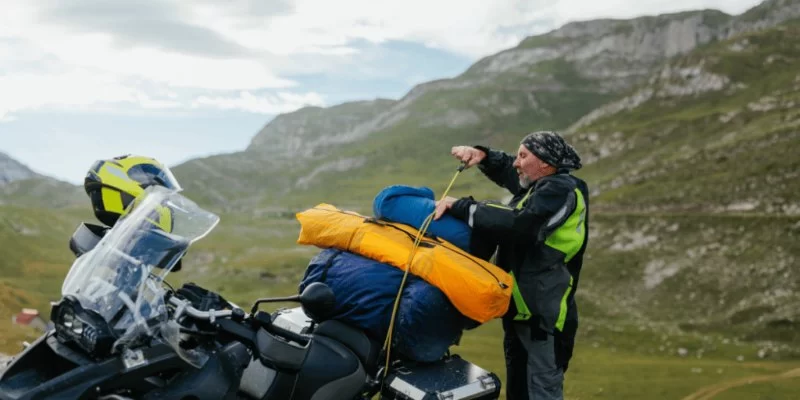
- Motorcycle Luggage: Invest in high-quality saddlebags, tank bags, or panniers to carry your gear securely. Ensure your luggage is waterproof to keep your equipment dry in all conditions.
- Portable Lighting: A headlamp or small lantern is vital for setting up camp after dark and for any nighttime activities.
- Basic Tools and Repair Kit: Always have a basic tool kit and tire repair kit for emergencies. It's also a good idea to carry some extra motorcycle fluids like oil or chain lube.
- First Aid Kit: A well-stocked first aid kit is essential for treating minor injuries while on the road.
Having the right gear is crucial for a comfortable and enjoyable motorcycle campout. Don’t overpack—focus on lightweight, compact items that will keep you safe, comfortable, and prepared for any situation.
3. Safety Considerations for Motorcycle Camping
While a motorcycle campout offers freedom and adventure, safety should always be a top priority. Here are some essential safety considerations to keep in mind:
- Wear Protective Gear: Always wear a helmet, gloves, riding jacket, and sturdy boots. If you're traveling through harsh weather conditions, make sure you have weather-appropriate gear such as waterproof jackets and pants.
- Stay Visible: High-visibility vests or reflective gear can help you stay visible to other drivers, especially when riding in low-light conditions.
- Know the Local Wildlife: If you're camping in areas with wild animals, such as bears or snakes, educate yourself about how to keep your food secure and prevent encounters.
- Check the Weather: Always check the weather forecast before heading out. Knowing about potential storms, temperature changes, or high winds can help you adjust your route or plans accordingly.
- Emergency Contact Information: Ensure someone knows your itinerary and check in regularly if you're camping in remote areas. Carry a phone with a portable charger in case of emergencies.
By prioritizing safety, you can minimize risks and focus on enjoying the ride and your camping experience.
4. Planning the Perfect Route for Your Motorcycle Campout
Route planning is a critical component of a successful motorcycle campout. A well-planned route ensures that you avoid unpleasant surprises and get the most out of your trip. Here’s how to plan your route effectively:
4.1. Choose a Scenic and Safe Route
When planning your route, consider the type of terrain you enjoy riding. Do you want winding mountain roads, coastal highways, or peaceful countryside routes? Choose roads that provide scenic views and take into account any natural landmarks or attractions along the way.
Ensure the roads are safe for motorcycle travel. Avoid routes that are too congested or have rough terrain that could make riding difficult or dangerous. National parks, scenic byways, and historic routes often offer ideal conditions for motorcycle camping.
4.2. Plan for Fuel Stops and Rest Breaks
Before setting out, map out fuel stops along the way to ensure you’re never stranded without gas. Make sure to take regular breaks to stretch your legs and avoid fatigue. It’s also wise to plan rest stops near towns or campsites, where you can access food, water, and any necessary supplies.
4.3. Know Your Destination
Before heading out, make sure to research campgrounds, national parks, or other campout spots along your route. Check for availability, operating hours, and any specific regulations or permits required for camping in certain areas. If you’re planning to camp on public land or forests, be sure to follow Leave No Trace principles to minimize your environmental impact.
5. Real-Life Example: A Motorcycle Campout Adventure
Take the story of Joe, a seasoned motorcyclist from California, who planned his first solo motorcycle campout along the Pacific Coast Highway. His journey took him from San Francisco to Los Angeles, with scenic stops at national parks and coastal campsites. With careful route planning, Joe made sure he had access to fuel, rest stops, and campgrounds along the way. His choice of lightweight camping gear helped keep his load manageable, and he relied on his experience in preparing for unpredictable weather conditions.
Joe’s story shows that with the right planning and preparation, a motorcycle campout can offer a perfect blend of adventure, relaxation, and personal challenge.
6. Essential Tips for First-Time Motorcycle Campers
- Practice Before You Go: If you’re new to motorcycle camping, practice packing and riding with your gear before your actual trip. This will help you get used to the weight and handling of your bike with luggage.
- Pack Light: The key to a successful motorcycle campout is packing only the essentials. You’ll need to carefully choose the items that matter most for comfort, safety, and practicality.
- Know How to Handle Emergencies: Be prepared for unforeseen circumstances by carrying emergency gear such as a first aid kit, tire repair kit, and a map of nearby services.
- Enjoy the Journey: While the destination is important, motorcycle camping is all about the journey. Take your time, stop often, and enjoy the adventure.
For more camping gear, expert tips, and recommendations, visit Camping Rural for everything you need to make your motorcycle campout a success.
 Pecan Village Mobile Home Comm3.0 (51 reviews)
 Lakeshore East4.0 (53 reviews)
 Valley View RV Park & Camping Near West Yellowstone4.0 (309 reviews)
 Horse Meadow Campground5.0 (24 reviews)
 Forest Lake Estates4.0 (72 reviews)
 Methodist Landing Recreational Park4.0 (9 reviews)
 10 Must-Visit Campgrounds in the Midwest for Your Next Outdoor Adventure
 Romantic Camping Spots for Couples: Perfect Getaways in Nature
 Ultimate Guide to Off the Grid Camping in Remote Locations
 How to Cook Over a Campfire Safely for an Enjoyable Outdoor Experience
 Vanlife in Winter: My Personal Experience Living on the Road
 From City to Camp: My Journey to Nature and What I Learned