- 1-Choosing-the-Right-Camping-Location
- 2-Planning-Your-Itinerary-and-Duration
- 3-Assembling-Essential-Camping-Gear
- 4-Preparing-Food-and-Water-Supplies
- 5-Understanding-Camping-Safety-Basics
- 6-Tips-for-a-Successful-First-Camping-Experience
1. Choosing the Right Camping Location
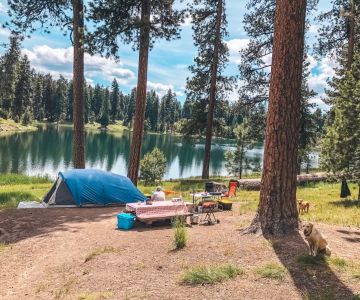
One of the first and most important steps in learning how to plan your first camping trip is selecting a suitable location. For beginners, it’s wise to choose a campground that offers amenities such as clean restrooms, potable water, and accessible parking. National and state parks are excellent options, as they often provide well-maintained facilities and a safe environment for newcomers to the outdoors.
Consider proximity to home to reduce travel stress, and research the area’s regulations and rules. Some sites may require reservations months in advance, especially during peak seasons. If you prefer a more rustic experience, backcountry camping might appeal to you, but it requires additional preparation and knowledge.
2. Planning Your Itinerary and Duration
Deciding how long to camp and what activities to include forms the backbone of your trip planning. For your first camping trip, a weekend getaway is often ideal. It gives you enough time to enjoy nature without overwhelming yourself with logistics.
Plan your daily itinerary to include time for setting up camp, hiking, cooking, and relaxing. Be realistic about distances and difficulty levels, especially if you’re camping with children or inexperienced companions. Flexibility is key; weather or unforeseen events can change your plans.
3. Assembling Essential Camping Gear
Having the right gear can make or break your first camping trip. A quality tent with weather-appropriate features, a comfortable sleeping bag, and a sleeping pad for insulation are basics. Additional essentials include a portable stove or grill, lantern or flashlight with extra batteries, and proper clothing layers.
Don’t overlook tools like a multi-tool, duct tape, and a first aid kit. Checklists tailored for beginners are invaluable, and you can find many online or through trusted sources like Camping Rural. Investing in durable, lightweight equipment will enhance your comfort and safety.
4. Preparing Food and Water Supplies
Food planning is crucial in how to plan your first camping trip successfully. Opt for meals that are easy to prepare with minimal cooking equipment. Items like canned beans, pasta, trail mix, and dehydrated meals work well. Don’t forget to pack enough water or a reliable water purification method if the campsite doesn’t provide potable water.
Remember to store food securely to protect wildlife and keep your campsite clean. Bringing along a cooler with ice packs helps preserve perishables, and planning snacks for hikes ensures energy throughout your adventures.
5. Understanding Camping Safety Basics
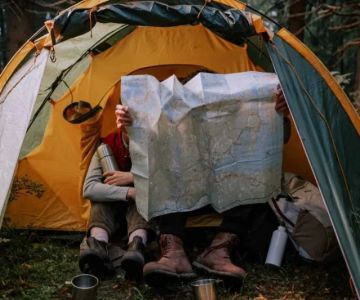
Safety should never be overlooked when planning your first camping trip. Familiarize yourself with basic outdoor safety protocols, including wildlife awareness, fire safety, and navigation skills. Always inform someone about your trip plans and expected return time.
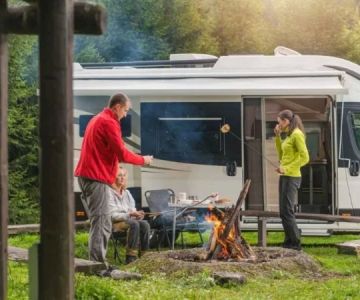
Learn how to properly build and extinguish campfires if allowed, and be mindful of local fire regulations. Pack a well-stocked first aid kit and know how to use it. Weather awareness is also critical; monitor forecasts and prepare for sudden changes.
6. Tips for a Successful First Camping Experience
Many first-time campers share that preparation and a positive mindset make all the difference. Arrive early to set up your tent in daylight, so you’re familiar with your surroundings before nightfall. Engage with other campers or park rangers to gather local insights and advice.
Don’t hesitate to start with established campgrounds that offer support facilities, gradually working up to more remote sites as your confidence grows. Above all, remember to enjoy the experience—the fresh air, starry skies, and the joy of disconnecting from everyday routines.
For those gearing up for their first outdoor adventure, Camping Rural offers a curated selection of camping gear, expert advice, and helpful resources to make your trip safe, comfortable, and memorable. Exploring their collection can provide you with everything needed to start your camping journey on the right foot.
 Dutch Harbor Manufactured Home Community3.0 (52 reviews)
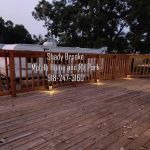 Shady Brooke Mobile Home and RV Park3.0 (42 reviews)
 Picayune Strand State Forest Campground4.0 (62 reviews)
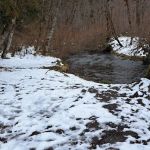 Toketee Lake Group Site4.0 (38 reviews)
 Cathance Trailer Park5.0 (4 reviews)
 City of Fosston Campground4.0 (24 reviews)
 10 Must-Visit Campgrounds in the Midwest for Your Next Outdoor Adventure
 Romantic Camping Spots for Couples: Perfect Getaways in Nature
 Ultimate Guide to Off the Grid Camping in Remote Locations
 How to Cook Over a Campfire Safely for an Enjoyable Outdoor Experience
 Vanlife in Winter: My Personal Experience Living on the Road
 From City to Camp: My Journey to Nature and What I Learned